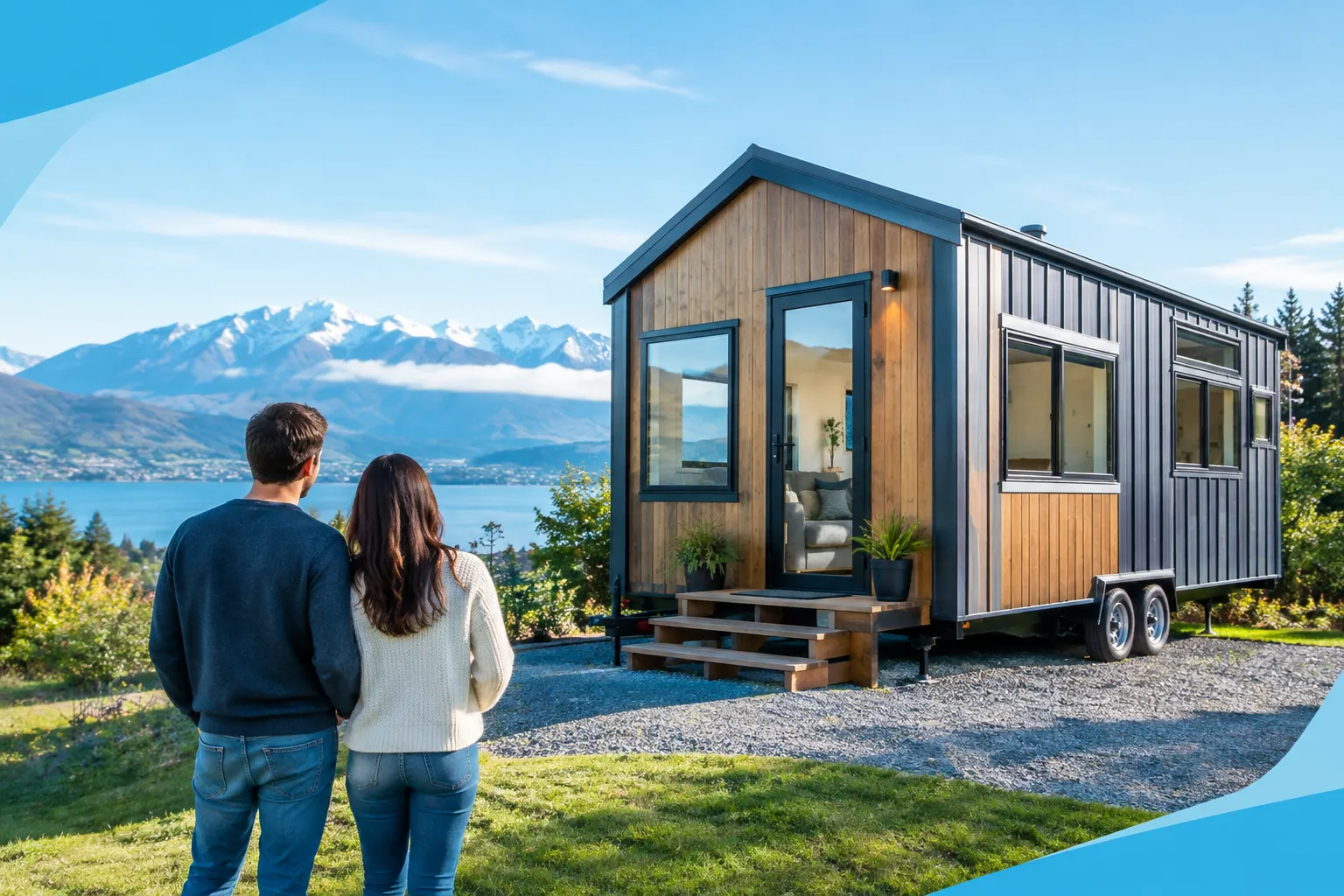

Choosing a compact home is an exciting decision, but it also requires careful planning. A tiny home can offer a practical way to create a comfortable living space without taking on the scale of a conventional house. However, the right choice depends on much more than appearance or price. Buyers need to think about size, layout, construction quality, transport, site requirements, utilities, future use and local regulations.
For people considering transportable tiny homes nz, the biggest advantage is flexibility. These homes can be designed for different lifestyles and may be suitable as a primary residence, guest accommodation, rental property, holiday retreat, home office or additional living space. The challenge is finding a design that works not only when it leaves the factory but also when it reaches its intended site.
Here are the key factors to consider before making a decision.
Start With How You Plan to Use the Home
The first question should be simple: what do you actually need the home for?
A tiny home designed for one person may have very different requirements from a home intended for a couple or small family. Likewise, a home used as a permanent residence will need different features from one used occasionally as a guest space.
Consider:
- How many people will use the home?
- Will it be a full-time residence?
- Do you need one or more bedrooms?
- Will you work from home?
- Do you need a dedicated kitchen?
- Will guests regularly stay there?
- Do you expect to relocate the home in the future?
Creating a list of your daily requirements before looking at designs can prevent you from choosing a home based purely on appearance.
Choose the Right Size and Layout
With a compact home, every square metre matters. A well-designed small home can feel surprisingly spacious when the floor plan is planned around everyday movement.
Look at the relationship between the kitchen, bathroom, bedroom and living area rather than focusing only on total floor space. Storage is also important. Built-in cupboards, under-bed storage, shelving and multipurpose furniture can make a significant difference.
Think about how doors open, where furniture will sit and whether there is enough room to move comfortably. A slightly smaller home with an efficient layout may be more practical than a larger model with poorly used space.
Natural light should also be part of the design discussion. Well-positioned windows can make a compact interior feel brighter and more open while providing ventilation and views of the surrounding property.
Pay Attention to Construction Quality
A transportable home has to perform well both as a living space and during transportation. This makes construction quality especially important.
Ask potential suppliers about the materials used for the frame, walls, roof, flooring, insulation, windows and interior fittings. You should also ask how the structure is designed to withstand transportation and changing environmental conditions.
New Zealand's climate varies considerably between regions, so insulation, moisture management and ventilation deserve particular attention. A comfortable home should be designed for the conditions where it will actually be located.
The Ministry of Business, Innovation and Employment notes that tiny houses need to be safe, healthy and durable for their intended use, and that all building work must comply with the Building Code even where particular work may not require a building consent.
Consider Transport and Access Before Buying
One of the most important differences between a transportable tiny home and a conventional house is the delivery process.
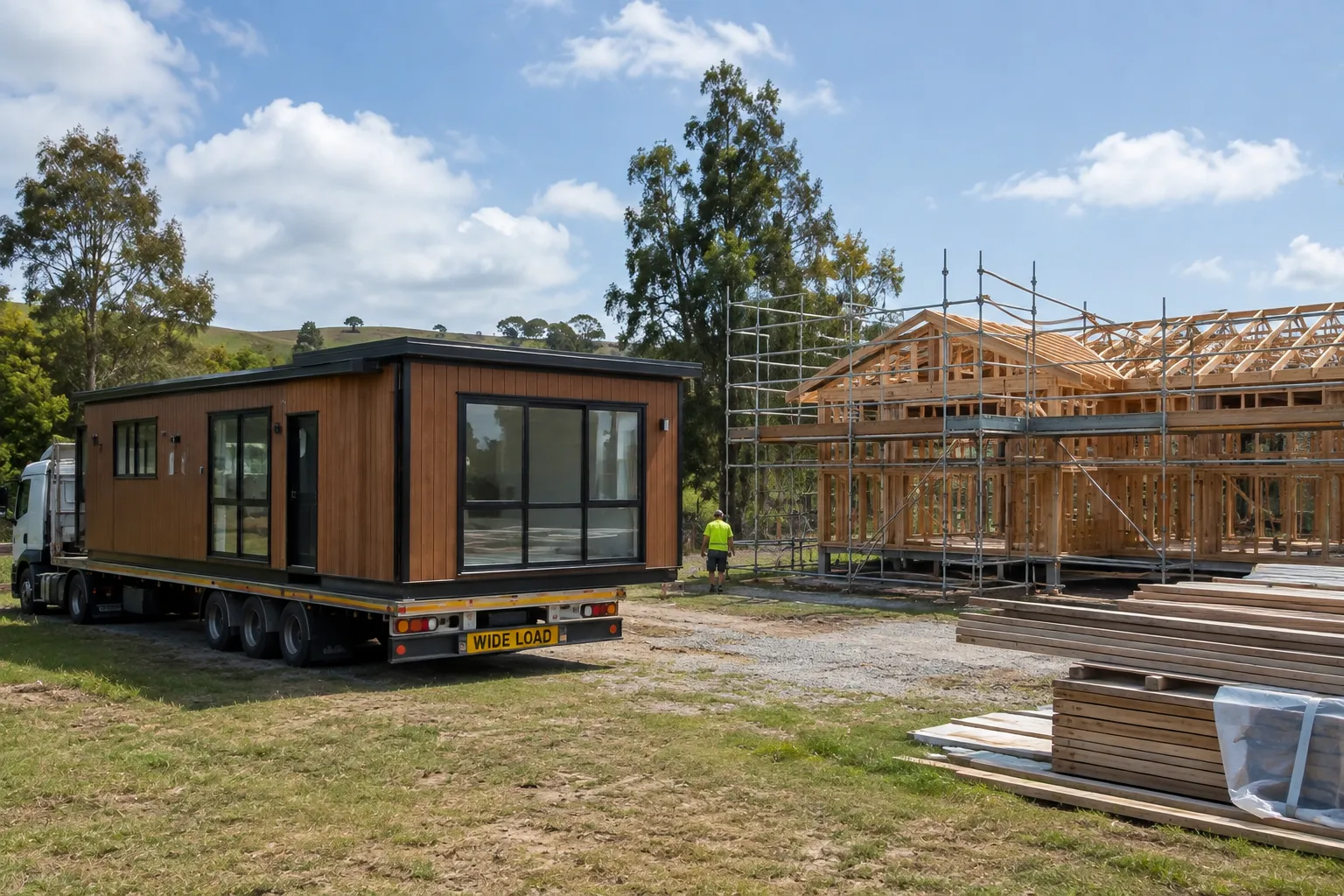
Before purchasing, assess the property where the home will be placed. Is there enough road access for the delivery vehicle? Are there narrow roads, steep driveways, bridges, overhead cables, trees or other obstacles?
The dimensions and weight of the home can affect transportation arrangements. NZ Transport Agency Waka Kotahi explains that tiny homes transported on New Zealand roads need to meet applicable legal dimension requirements, while larger units may need to be transported as overdimension loads.
This means delivery should be discussed early rather than treated as something to organise after purchasing.
A reputable supplier should be able to discuss delivery requirements and identify potential access issues before the home is transported.
Check the Site and Local Requirements
Buying the home is only one part of the project. The land where it will be placed is equally important.
Before committing to a design, investigate the site's access, slope, drainage, services and available space. You should also check local council requirements because planning and building rules can vary depending on the location and how the home will be used.
A tiny house being placed permanently on land can raise different regulatory questions from a genuinely mobile unit. MBIE guidance explains that having wheels does not automatically mean a tiny house is legally treated as a vehicle. The intended use, construction and relationship with the land can all be relevant.
Building Performance also recommends checking with the relevant council and design professionals when determining whether consent is required.
This is particularly important if the home will be connected to water, wastewater, electricity or other services.
Think About Utilities
A comfortable tiny home needs practical solutions for everyday utilities.
Ask how the proposed home will handle:
- Drinking water
- Wastewater
- Stormwater
- Electricity
- Hot water
- Heating
- Ventilation
- Internet and communications
Some owners may prefer a connection to existing property services, while others may consider off-grid options. Your decision will depend on the property, intended use and local requirements.
Do not assume that placing a home on wheels automatically removes the need to deal with building or service requirements. Building Performance states that connecting a tiny house to existing network utility systems can require building consent, while additional planning or development requirements may also apply.
Discuss these matters with the supplier and relevant professionals before finalising your design.
Compare Practical Features, Not Just Prices
Price is naturally important, but it should not be the only comparison point.
When comparing different homes, create a checklist covering:
Construction: What materials and building methods are used?
Insulation: Is the home designed for year-round comfort?
Windows: Are they appropriate for the local climate and intended use?
Kitchen: Does the available workspace meet your cooking needs?
Bathroom: Is the layout practical for everyday use?
Storage: Is there enough storage for your belongings?
Electrical: Are sufficient outlets and lighting points included?
Heating: What heating options are available?
Transport: What does delivery involve?
Installation: What happens once the home reaches the site?
Customisation: Can the layout or finishes be changed?
Comparing these details can give you a much clearer picture of the overall value than comparing headline prices alone.
Think About Future Flexibility
Your circumstances may change over time. A home that works perfectly today should ideally remain useful if your needs change.
For example, a compact home could initially be used as a home office or guest accommodation and later become a rental unit or independent living space. If relocation is part of your long-term plans, discuss how the home is designed to be moved and what conditions would apply to future transportation.
MBIE guidance specifically recommends considering whether a tiny house will be relocated in the future and checking requirements associated with moving it to a new site.
Future flexibility can therefore be an important factor when comparing designs.
Don't Ignore Comfort
Small does not have to mean uncomfortable.
Look for features that improve everyday living, such as good natural lighting, practical ventilation, sufficient storage, comfortable ceiling heights and a sensible separation between living and sleeping areas.
Think about the home at different times of the day. Where will you sit in the morning? Where will you work? How will you prepare meals? Where will coats, shoes and cleaning equipment go?
These simple questions can reveal whether a floor plan genuinely suits your lifestyle.
Consider Alternative Accommodation Options
Not everyone is ready to purchase a tiny home immediately. If you are still exploring compact accommodation, looking at temporary or short-term options can help you understand what you actually need.
For example, someone researching cabin hire auckland may gain useful experience with compact living before deciding whether a transportable home is suitable for their longer-term plans.
A short-term cabin can also be relevant for temporary accommodation, extra guest space, work purposes or other situations where a permanent home is not yet required.
The important point is to match the accommodation type with your intended timeframe and purpose rather than choosing a solution simply because it looks attractive online.
Work With an Experienced Supplier
The supplier you choose can make a major difference to the buying process.
Ask how long the company has been building compact or transportable homes, what design options are available, how delivery is handled and what support is provided after installation.
You should also ask for clear information about inclusions and exclusions. A lower advertised price may not include transportation, site preparation, connections, installation or additional work required at the property.
A transparent quote makes it easier to understand the likely overall project cost.
Make a Checklist Before You Commit
Before signing an agreement, review your decision against a simple checklist:
- Does the floor plan suit your lifestyle?
- Is the size appropriate for the number of occupants?
- Are insulation and ventilation suitable?
- Is the construction quality clear?
- Can the home reach your property safely?
- Have council and site requirements been checked?
- Are utility connections understood?
- Are delivery and installation costs clear?
- Can the home be customised where necessary?
- Does the supplier provide suitable support?
Taking the time to answer these questions can help reduce surprises later.
CTA: Explore Your Transportable Tiny Home Options
Finding the right compact home is about balancing design, comfort, practicality, transport requirements and your future plans. Whether you are looking for a permanent living space, additional accommodation, a rental opportunity or a flexible small-home solution, careful planning can help you make a more informed choice.
For more information about transportable and modular living solutions in New Zealand, explore the options available from Unit2go and see how a thoughtfully designed compact home could fit your needs.
Frequently Asked Questions
1. What should I consider first when choosing a transportable tiny home?
Start with your intended use, number of occupants, preferred layout and available site. These factors will help determine the appropriate size, features and design.
2. Are tiny homes on wheels automatically treated as vehicles in New Zealand?
No. Having wheels does not automatically determine the legal classification. The home's construction, use, mobility and relationship with the land can all be relevant.
3. Do transportable tiny homes require building consent?
It depends on the home's design, use, location and the building work involved. Building Performance recommends checking the applicable requirements with the relevant council and professionals before starting the project.
4. What should I check before transporting a tiny home to my property?
Check road access, driveway width, turning space, overhead obstacles, slopes, bridges and other potential restrictions. The home's dimensions and weight should also be considered against applicable transport requirements.
5. Can a tiny home be connected to water and wastewater services?
Yes, but service connections can trigger building consent and other requirements. It is important to check the specific requirements for your property and local authority before making connections.
6. Is a tiny home suitable as a permanent residence?
A tiny home can be designed for residential use, but suitability depends on its design, construction, site and applicable requirements. Buyers should assess these factors before choosing a model for long-term living.

























Sign in to leave a comment.