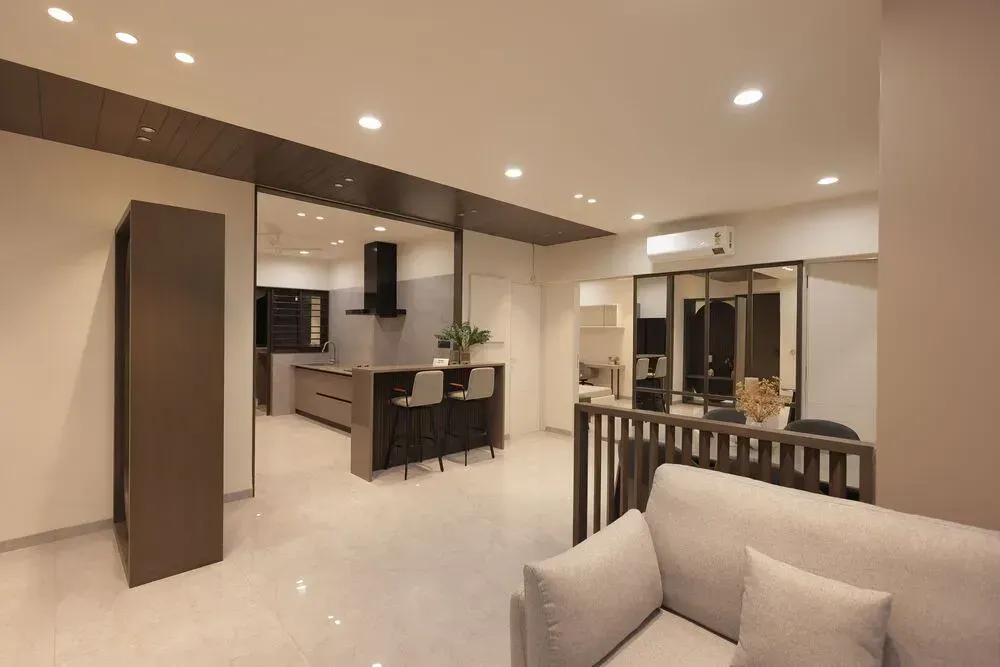

Buying a villa in Goa is a major decision, particularly when the property is intended for long-term personal use, a second home, or investment. With different villa options available across North Goa, buyers can easily become focused on photographs, amenities, or asking prices without examining the factors that determine whether a property is actually suitable.
For anyone searching for Villas in Porvorim, the selection process should begin with a clear understanding of the buyer's requirements. Budget, location, plot size, layout, construction quality, connectivity, neighbourhood infrastructure, documentation, and future maintenance all deserve attention before making a commitment.
Porvorim is an established residential and commercial area in North Goa, with connectivity towards Panaji and access to several parts of the North Goa region. But the broader location is only the starting point. The exact neighbourhood and individual villa can make a substantial difference to the ownership experience.
This guide explains how buyers can systematically shortlist and evaluate a villa in Porvorim.
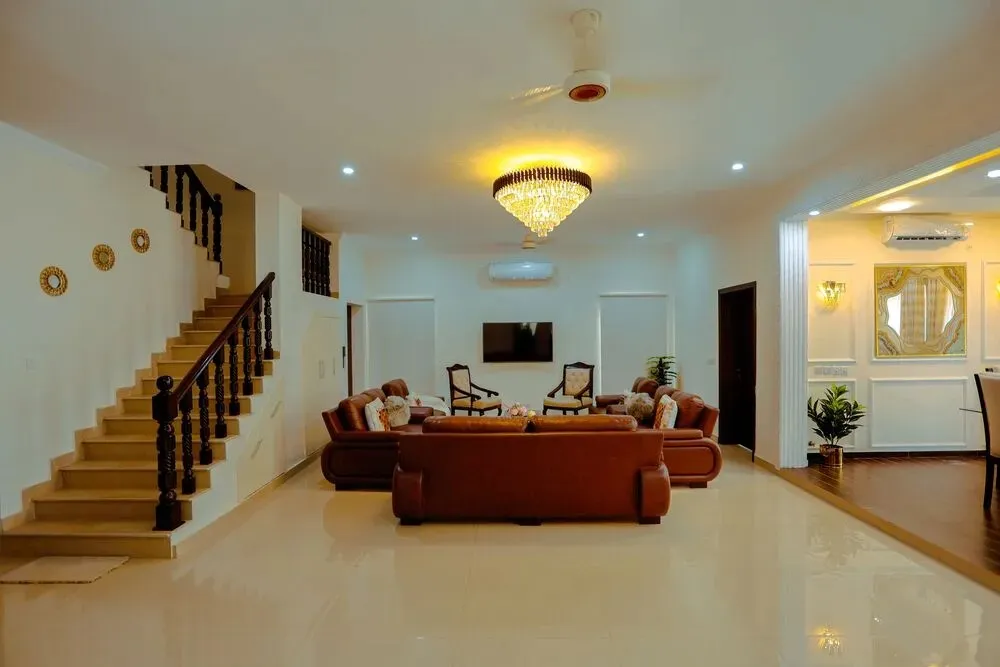
Start by Defining Why You Are Buying
Before looking at properties, identify the primary purpose of the purchase. A buyer purchasing a permanent family home may prioritise schools, healthcare, daily conveniences, parking, and a practical layout.
A second-home buyer may place greater importance on privacy, outdoor space, lifestyle, and accessibility to leisure destinations.
An investor may focus more heavily on acquisition cost, rental demand, operating expenses, documentation, and future marketability.
These objectives can lead to very different property choices. Writing down the purpose of the purchase before beginning the search can prevent buyers from being distracted by properties that look attractive but do not meet their actual requirements.
Set a Realistic Budget
The villa's advertised price should not be treated as the complete cost of acquisition.
Buyers should prepare a total budget that considers the purchase price as well as applicable stamp duty, registration charges, legal fees, professional consultation, brokerage or consultancy fees, financing costs, renovation, furniture, and initial repairs.
Ongoing expenses should also be considered.
These may include:
- Property tax
- Maintenance
- Security
- Landscaping
- Utilities
- Repairs
- Insurance
- Cleaning
- Property management
If the villa has a swimming pool, large garden, extensive outdoor areas, or specialised systems, maintenance expenses can be higher.
A realistic budget should leave sufficient room for unexpected costs rather than allocating the entire available capital to the purchase price.
Choose the Right Micro-Location
Porvorim is not a single uniform residential pocket. Different neighbourhoods can have different road conditions, surroundings, infrastructure, accessibility, and levels of development.
When shortlisting villas in Porvorim, investigate the exact location rather than relying only on the Porvorim name.
Check:
- Access roads
- Distance from major roads
- Traffic conditions
- Nearby residential development
- Schools
- Hospitals
- Supermarkets
- Pharmacies
- Restaurants
- Banks and ATMs
- Public transport
- Road lighting
- Drainage
- Water availability
If possible, visit the area at different times of the day.
A location that feels quiet during the afternoon may have significantly different traffic conditions during morning and evening peak hours.
Consider Your Daily Commute
Connectivity becomes particularly important for buyers who plan to live in the villa permanently.
Porvorim's connection towards Panaji can be relevant for professionals working in or around the capital. However, buyers should calculate the actual travel time from the property to their regular destinations.
Consider commuting requirements for:
- Work
- School
- Healthcare
- Shopping
- Airport
- Railway stations
- Family activities
- Leisure destinations
Use actual driving routes rather than relying only on straight-line distance.
For families with multiple members travelling to different locations, a central and practical location may have greater everyday value than a property that simply offers more space.
Decide How Much Space You Actually Need
Villa buyers often focus on the number of bedrooms, but the total configuration matters more than the bedroom count alone.
Consider:
- Plot size
- Built-up area
- Carpet area
- Number of bedrooms
- Bathrooms
- Living room
- Dining area
- Kitchen
- Utility space
- Storage
- Balconies
- Terrace
- Garden
- Parking
Think about how the family will use the home. A buyer working remotely may need a dedicated office. A family with children may want additional outdoor space. Someone living with elderly parents may need bedrooms and bathrooms that are easily accessible.
The right villa is not necessarily the largest one. It is the one that provides the space required without creating unnecessary maintenance or financial burden.
Examine the Floor Plan
Two villas with identical bedroom counts can have completely different layouts.
During a viewing, consider how people will move through the house. Look at the relationship between bedrooms, bathrooms, kitchen, living spaces, stairs, entrances, and outdoor areas.
Ask whether furniture can be placed comfortably and whether the rooms receive sufficient natural light and ventilation.
For families, privacy can also be important. A well-planned villa may separate bedrooms from entertaining areas, while a poorly designed layout can make a large property feel less functional.
The floor plan should therefore be assessed alongside the total area.
Inspect Construction Quality
Never rely solely on photographs when evaluating a villa.
A physical inspection can reveal issues that are difficult to identify online.
Look for:
- Dampness
- Water seepage
- Wall cracks
- Roof leakage
- Drainage problems
- Plumbing issues
- Electrical concerns
- Termite activity
- Damaged flooring
- Poor-quality fittings
- Window and door condition
- Exterior deterioration
For an older property, ask about previous repairs and renovation work. If the buyer does not have the technical expertise to assess the building, an independent professional inspection can be useful.
This can help identify potential repair costs before the purchase becomes legally or financially difficult to reverse.
Pay Attention to Goa's Monsoon Conditions
Climate and seasonal weather should be part of the property inspection process in Goa.
Monsoon conditions can expose drainage, seepage, waterlogging, road access, and roof-related problems.
Buyers should examine how rainwater is managed around the property.
Check:
- Drainage channels
- Slopes around the villa
- Roof drainage
- Terrace waterproofing
- Garden drainage
- Road conditions
- Signs of dampness
- Water accumulation
If purchasing during the dry season, ask neighbours or local residents whether the area experiences waterlogging during heavy rainfall.
This type of local information can complement the physical inspection.
Evaluate Parking and Access
Parking is an important consideration for villa buyers. Determine how many vehicles the property can accommodate and whether parking is covered or open.
Also check the access road. A large villa may be less practical if the road leading to it is narrow or difficult to navigate.
Consider vehicle turning space, visitor parking, delivery access, and emergency vehicle accessibility.
These details can have a surprisingly large impact on everyday convenience.
Check the Neighbourhood Before You Buy
A property should never be evaluated in isolation. Walk around the neighbourhood and observe surrounding properties, construction activity, road conditions, noise levels, drainage, street lighting, and general upkeep.
Look for vacant plots and ongoing construction as well. Future development can change the character of a neighbourhood. While development can bring infrastructure and services, it can also affect privacy, traffic, and noise.
Talking to nearby residents can provide useful practical information about the locality.
Verify Property Documents Carefully
Legal due diligence should be completed before making a major financial commitment.
The exact documents required depend on the property and transaction, but buyers may need to examine ownership and title records, land-related documents, encumbrance information, approvals, plans, tax records, construction permissions, access rights, and other relevant paperwork.
The seller's legal authority to sell should also be established.
A qualified property lawyer should independently review the relevant documentation.
Buyers should avoid assuming that a property is legally clear simply because it has been advertised by a reputable-looking seller or has existed for many years.
Documentation should be verified rather than assumed.
Check Utilities and Essential Services
A villa's location should provide practical access to essential services.
During the property visit, ask about:
- Water supply
- Electricity
- Internet connectivity
- Waste management
- Drainage
- Gas availability
- Mobile network coverage
For people working remotely, reliable internet may be an essential requirement rather than a convenience.
Similarly, water storage and supply arrangements can be important for larger villas.
These details should be confirmed directly rather than assumed from the property's appearance.
Consider Privacy and Security
Villa buyers often value privacy, but the level of privacy depends on the property's design and surroundings. Check boundary walls, gates, neighbouring properties, street activity, lighting, and available security arrangements.
If the property is inside a gated community, understand the association structure, maintenance arrangements, security systems, and applicable fees. For second-home buyers, security becomes even more important because the property may remain vacant for extended periods.
Consider who will monitor the villa, handle maintenance, and respond to emergencies when the owner is away.
Think About Future Family Requirements
A villa should ideally work for more than the first few years of ownership. Families should consider how their requirements could change. Children may need separate rooms or study areas. Elderly parents may require easier accessibility. Remote work may become more important. Additional parking could become necessary.
Buyers should therefore think beyond their immediate requirements. A slightly more practical layout today may prevent expensive alterations later.
Compare Properties on Total Value
When you have shortlisted several villas, avoid comparing them only on asking price.
Create a simple comparison covering:
| Factor | What to Compare |
|---|---|
| Location | Exact neighbourhood and accessibility |
| Plot | Land area and usability |
| Built-up area | Total constructed space |
| Layout | Functionality and room distribution |
| Condition | Age, quality and repairs |
| Parking | Capacity and access |
| Outdoor space | Garden, terrace and usable areas |
| Infrastructure | Schools, healthcare and daily services |
| Documentation | Title and relevant approvals |
| Costs | Purchase, renovation and maintenance |
| Future use | Family, second home or investment |
This creates a more objective basis for evaluating properties.
Consider Professional Guidance
Buying property in Goa can involve several layers of research.
A property consultant can assist with market research, property identification, local comparisons, negotiation, transaction coordination, and other advisory requirements.
A lawyer should independently handle legal verification, while technical professionals can assist with building inspections where required.
The roles should remain clear.
Professional guidance is most useful when it helps the buyer understand the property and transaction rather than simply encouraging a purchase.
Questions to Ask Before Making an Offer
Before finalising a villa, ask:
- Why is the property being sold?
- How long has it been on the market?
- What is included in the quoted price?
- Are there outstanding dues?
- Has the property been renovated?
- What maintenance work is required?
- What are the annual ownership costs?
- Are all relevant documents available?
- Is there any existing loan or charge?
- What is the access situation?
- Are there any known neighbourhood issues?
- What will be the total acquisition cost?
Getting answers early can reduce surprises later in the transaction.
A Practical Villa-Buying Checklist
Before purchasing, buyers can use this simple checklist:
Before viewing: Define purpose, budget, preferred location, and space requirements.
During viewing: Inspect construction, layout, parking, ventilation, outdoor areas, access, and neighbourhood conditions.
After shortlisting: Compare total costs, documentation, connectivity, maintenance, and long-term usability.
Before committing: Complete legal due diligence, technical checks where required, and verification of all commercial terms.
Before registration: Ensure the transaction documentation and payment structure have been reviewed appropriately by the relevant professionals.
Conclusion
Choosing the right villa in Porvorim is a process of matching a property with your actual requirements.
The best-looking villa is not necessarily the most suitable one. Location, connectivity, plot size, layout, construction quality, parking, neighbourhood infrastructure, legal documentation, maintenance, and total ownership cost all contribute to the property's practical value.
For buyers exploring villas in Porvorim, the smartest approach is to slow down the decision-making process, conduct physical inspections, compare shortlisted properties using consistent criteria, and seek appropriate legal and technical advice before committing.
Porvorim offers a range of residential possibilities, but every villa should be assessed individually. By focusing on verified facts rather than marketing claims, buyers can make a more informed decision and choose a property that fits both their present lifestyle and future requirements.
FAQs About Choosing Villas in Porvorim
1. What should I consider first when buying a villa in Porvorim?
Start with the purpose of the purchase, budget, preferred micro-location, required space, and lifestyle requirements. These factors will help narrow down suitable properties.
2. How important is the exact location of a villa?
The exact location is very important. Road access, traffic, schools, healthcare, shopping, utilities, neighbourhood conditions, and connectivity can differ between nearby areas.
3. Should I inspect a villa before making an offer?
Yes. A physical inspection can reveal construction, drainage, access, ventilation, maintenance, and neighbourhood issues that may not be visible in photographs.
4. How do I know whether a villa is reasonably priced?
Compare similar properties based on location, plot size, built-up area, construction quality, age, condition, amenities, and current market evidence. Avoid relying on a single asking price.
5. What documents should I verify before buying a villa?
The relevant ownership, title, land, approval, construction, tax, encumbrance-related, and access documents should be reviewed according to the specific property. A qualified property lawyer should guide the legal verification.
6. Are older villas worth considering?
An older villa can still be suitable if the location, structure, layout, documentation, and maintenance condition meet the buyer's requirements. Renovation and repair costs should be estimated before purchase.
7. What additional costs should I budget for?
Depending on the transaction, buyers may need to account for applicable stamp duty, registration, legal and professional fees, renovation, furniture, maintenance, property tax, utilities, security, and other ownership expenses.
8. Is Porvorim suitable for a second-home villa?
Porvorim can be considered by second-home buyers who want a residential North Goa setting with connectivity to Panaji and other destinations. Second-home owners should also plan for security, maintenance, and property management when away.



























Sign in to leave a comment.