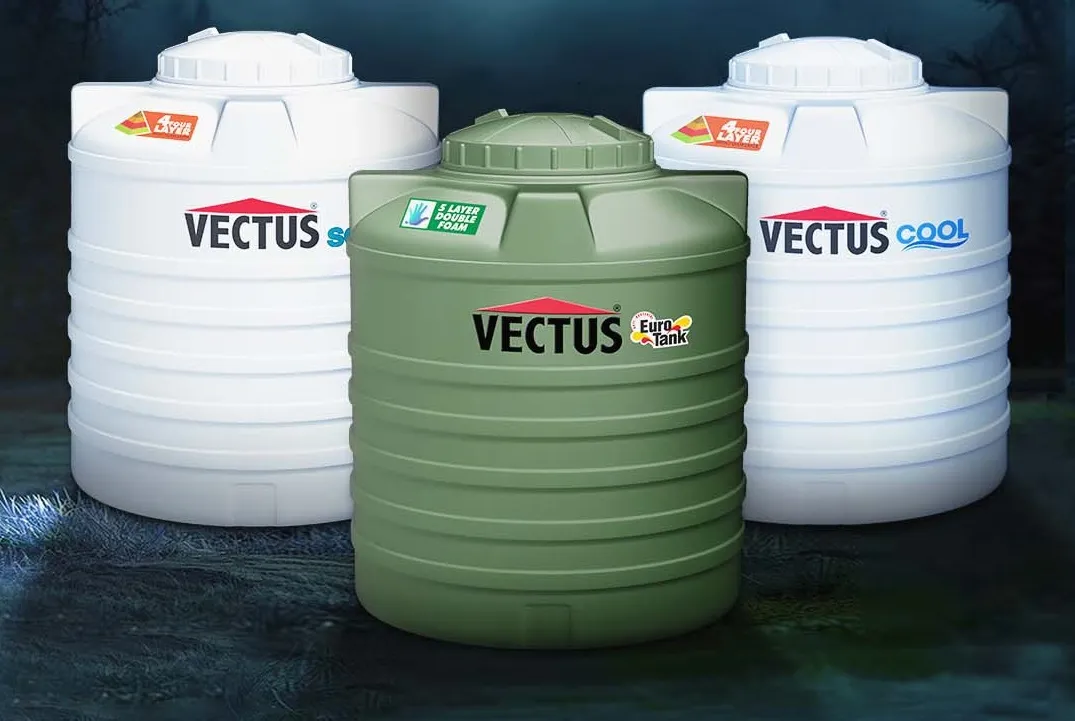

hoosing the right water storage solution is an important decision for every homeowner. A suitable tank should match your family's daily water requirements, available space and installation location. With different capacities, designs, materials and layer constructions available, it can be difficult to decide which option will work best for your home.
Instead of choosing a product only by its size or price, consider a few practical factors before making a purchase. The right water tank can provide convenient storage while offering reliable performance for everyday household needs.
Understand Your Household Water Requirements
Start by considering how much water your family uses every day. The number of people living in the house, daily activities and the regularity of your local water supply can all influence the required capacity.
Think about water used for bathing, cooking, cleaning, washing clothes and other household activities. If your water supply is available only during certain hours, you may need enough storage to cover the periods between supply timings.
Understanding your actual requirements will help you avoid choosing a tank that is either too small or unnecessarily large.
Choose the Right Capacity
Capacity is one of the most important factors when selecting a storage solution. A larger family may require greater storage, while a smaller household may be comfortable with a more compact option.
Do not simply select the largest capacity available. A larger tank requires more installation space and will also be significantly heavier when filled.
Consider your daily consumption along with the available space before deciding on the capacity. The aim should be to choose a size that provides sufficient water without taking up more space than necessary.
Select the Right Type for Your Home
The location where you plan to install the tank can influence your choice. Depending on your home's design, you may consider an overhead, loft or underground model.
An overhead option can be suitable when rooftop space is available. A loft model can work well where indoor vertical space needs to be used efficiently. Underground storage may be considered when homeowners want to save surface space.
Think about your property's layout and storage requirements before selecting the type. The water tank should suit both your available space and the way you intend to use the stored water.
Check the Available Space
Measure the area where you plan to install the tank before purchasing. Check the available length, width and height rather than relying on approximate measurements.
The shape of the tank also matters. A tall and narrow design may work better in one location, while a wider model may be more suitable for another.
Make sure there is enough surrounding space for routine inspection and cleaning. Choosing a size that fits comfortably can make installation and future maintenance easier.
Look at Material Quality
The material used in a storage tank can affect its durability and suitability for everyday use. Look for a product made from quality material designed specifically for water storage.
For household applications, check whether the material is suitable for storing water and can withstand regular exposure to the surrounding environment.
Do not judge material quality only by appearance. Check the manufacturer's specifications and understand what the product is designed to handle.
Consider the Number of Layers
Many modern storage tanks feature multiple layers, with different layers serving different purposes. These may contribute to strength, protection from sunlight and better insulation.
However, choosing a product simply because it has more layers is not always enough. Understand what those layers are designed to do and whether they are relevant to your home's requirements.
Compare the construction of different options and consider the conditions in which the tank will be installed.
Check UV and Weather Protection
If the tank will be installed outdoors, it may be exposed to direct sunlight, heat and changing weather conditions. These factors should be considered before making your choice.
Look for products designed to provide protection against ultraviolet exposure. This can be particularly useful for rooftop installations that receive strong sunlight for long periods.
The tank's colour and construction may also influence how much heat reaches the stored water. Consider the climate and installation location when comparing options.
Examine the Lid and Overall Design
A properly designed lid can help prevent dust, leaves, insects and other unwanted materials from entering the stored water.
The opening should also be convenient enough for inspection and cleaning. A secure lid can provide additional protection while making routine maintenance easier.
Look at the overall design as well. Smooth surfaces and practical construction can make the product easier to clean and maintain over time.
Think About Durability and Maintenance
A storage tank is a long-term household purchase, so durability should be considered carefully. Look for strong construction that is suitable for regular filling, emptying and cleaning.
Also check the manufacturer's maintenance recommendations. A product that is easy to inspect and clean can make regular upkeep more convenient.
Consider how the product is expected to perform under your local environmental conditions. This can help you select an option that is appropriate for long-term household use.
Compare Warranty and Brand Support
Warranty coverage can provide additional confidence when choosing a storage product. Before buying, read the warranty terms and understand what is covered.
You should also consider the manufacturer's customer support and availability of replacement components.
A reliable water tank supplier should provide clear information about capacity, material, construction and warranty instead of leaving you to make a decision based only on price.
Choose a Reliable Supplier
The supplier you purchase from can make the selection process easier. Look for a company that provides detailed product specifications and clear information about different models.
A dependable water tank supplier should help you understand which capacity and design may suit your household requirements. Compare the information provided by different suppliers rather than relying only on promotional claims.
It can also be useful to check the company's experience, customer support and warranty policies before making your final choice.
Final Thoughts
Choosing the right water tank starts with understanding your household's water requirements and available installation space. From capacity and tank type to material, layers, UV protection, design and durability, each factor can influence your final decision.
Take time to compare products and understand their specifications before purchasing. Speaking with a trusted water tank supplier can also help you select a model that matches your home's requirements, budget and long-term storage needs.
























Sign in to leave a comment.