

Quick Answer: The right weight bench depends on how you train, how much space you have, and how long you need it to last. Prioritize build quality and weight capacity first, then consider whether flat or adjustable suits your programming, and always check that it fits your space and works with your existing equipment.
The majority of individuals looking to buy a weight bench, specifically their very first one, are only focused on price. Not surprising, but usually the wrong start. The bench that is best for you is the one that mirrors your training style, accommodates the space you have in your home, and withstands years of use instead of months.
If you're planning to buy a weight bench online, the options range from simple flat benches to fully adjustable FID setups with multiple attachment points. Flat bench is more stable under heavy barbell loads and suits straightforward strength training well. A bench that is adjustable opens up more angles and exercise variety, which matters more if your program is varied or is dumbbell-heavy. Neither is universally better; the right call depends on your goals, your setup, and your honest assessment of what you'll actually use week to week.
What Is a Weight Bench Used For?
A weight bench is an adjustable piece of home gym equipment. It provides a solid base for many things that you might have done on the floor, but would be uncomfortable or impossible without it (rowing, assisted movements, pressing). A bench opens up a considerably wider range of exercise variety than free weights alone, whether you're training for general fitness, strength, or muscle building. Your choices when planning to buy weight bench online come down to your workout, space considerations & anticipated longevity.
Exercises You Can Do With a Weight Bench
A high-quality station and bench supports far more than the bench press. Here's what most people use one for:
- Bench Press (flat, incline, decline): The classic upper-body pressing movement, targeting chest, shoulders, and triceps. Angle changes shift which muscles take the load.
- Dumbbell Rows: A bent-over pulling exercise where one knee and hand brace on the bench, isolating the lats and upper back effectively.
- Step-Ups: Using the bench as a platform to develop single-leg strength and stability.
- Tricep Dips: Hands on the edge of the bench, lowering and pressing through the triceps.
- Hip Thrusts: Upper back braced on the bench, driving the hips upward through a glute-focused movement.
- Seated Curls and Lateral Raises: Using the bench as a support base for isolation work.
Why a Bench Matters in a Home Gym
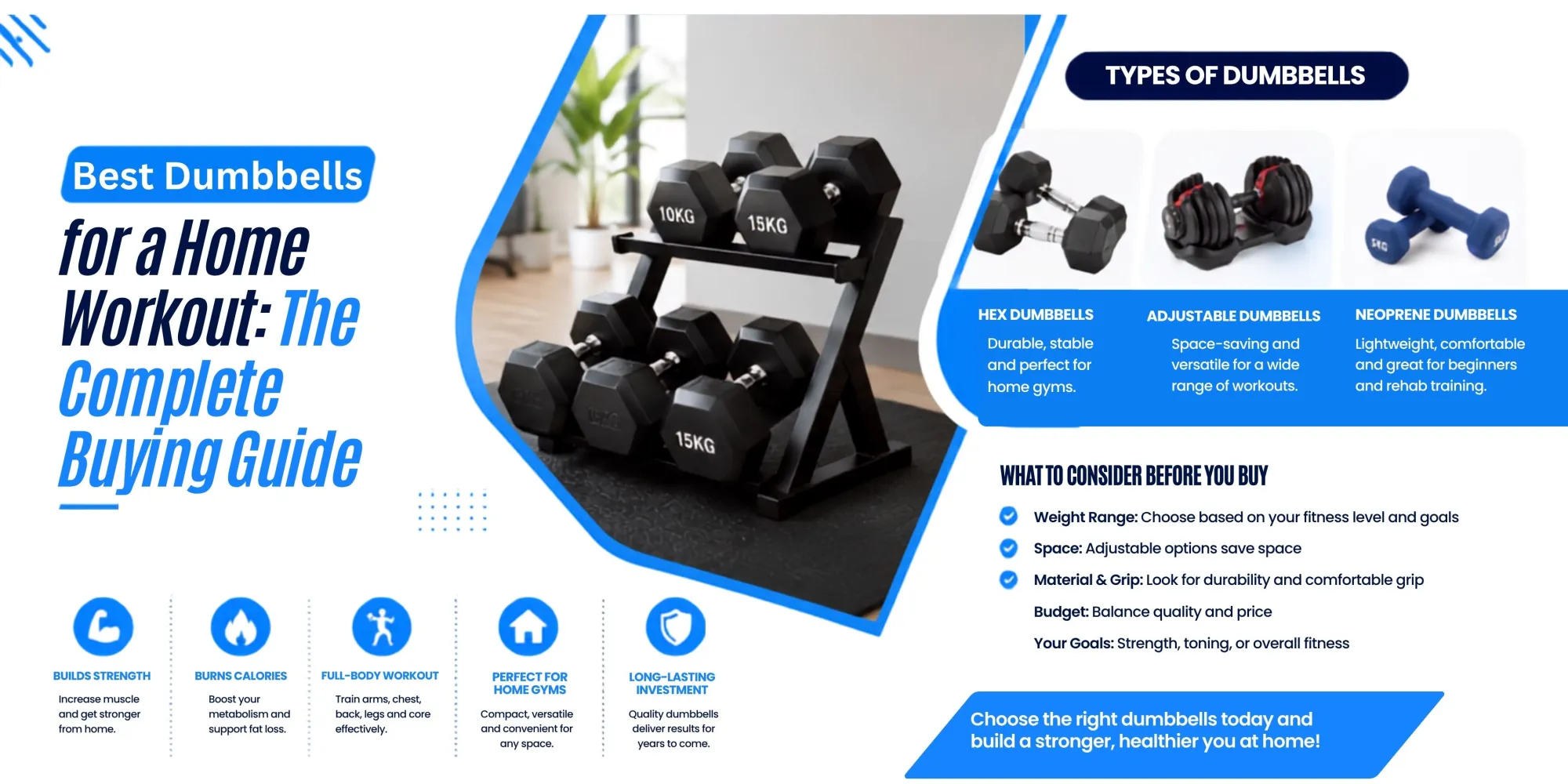
A bench changes what you can do with a set of dumbbells for your home workout or a barbell. Without one, pressing movements are limited, back training is awkward, and shoulder work lacks support. With a solid bench in the setup, your existing fitness equipment becomes considerably more versatile. For anyone building a home gym progressively, starting with dumbbells and adding barbells over time, a bench is usually one of the first meaningful upgrades that unlocks a genuinely complete program.
Which Type of Weight Bench Is Right for You?
The bench market covers a wider range than most buyers initially realize. The five categories below cover the main options, with an honest look at who each one suits.
- Flat Weight Benches: A fixed flat surface, no adjustability. Simple, stable, and typically the most affordable entry point. Best suited to bench pressing as well as hip thrusts. The advantage is rigidity. They make sense for lifters whose programs are centered on compound pressing and who don't need varied angles.
- Adjustable FID Weight Benches: In FID, F stands for flat, I for incline, and D for decline. These benches adjust through multiple positions covering the full variety of pressing angles. Adjustable benches like the LSG GBN-006 14-Level FID Exercise Bench is a good example, with 14 adjustment levels that give you more precise angle selection than most home gym benches. They are best suited for varied programming and upper chest development.
- Multi-Station Weight Benches: These combine a bench with additional attachments, like leg extension, preacher pad, and cable pulley, into a single piece of training gear. The CORTEX MF4000 Bench Press is a full-function option that helps with multiple things. Best for users with limited space who want multiple fitness equipment functions without buying separate machines. The tradeoff is that multi-station benches are larger and less portable than single benches.
- Specialty Benches: Purpose-built for specific movements. These include:
- Preacher curl benches: A fixed pad that braces the upper arms for strict bicep isolation. Best for anyone prioritizing arm development.
- Ab benches: Angled or adjustable for decline sit-up and crunch variations.
- Hyperextension/Roman benches: For lower back, glute, and hamstring work. The LSG GRC-09 Hyperextension Adjustable Roman Chair covers abs, glutes, back, and hamstrings in one unit. Best for anyone supplementing compound training with dedicated posterior chain work.
- Sit-Up Benches: A more specific category designed for decline ab work. Often adjustable in decline angle. Best for users who prioritize core training and want a dedicated setup for it rather than relying on floor work or a general-purpose bench.
How to Choose the Right Weight Bench for Your Training Style
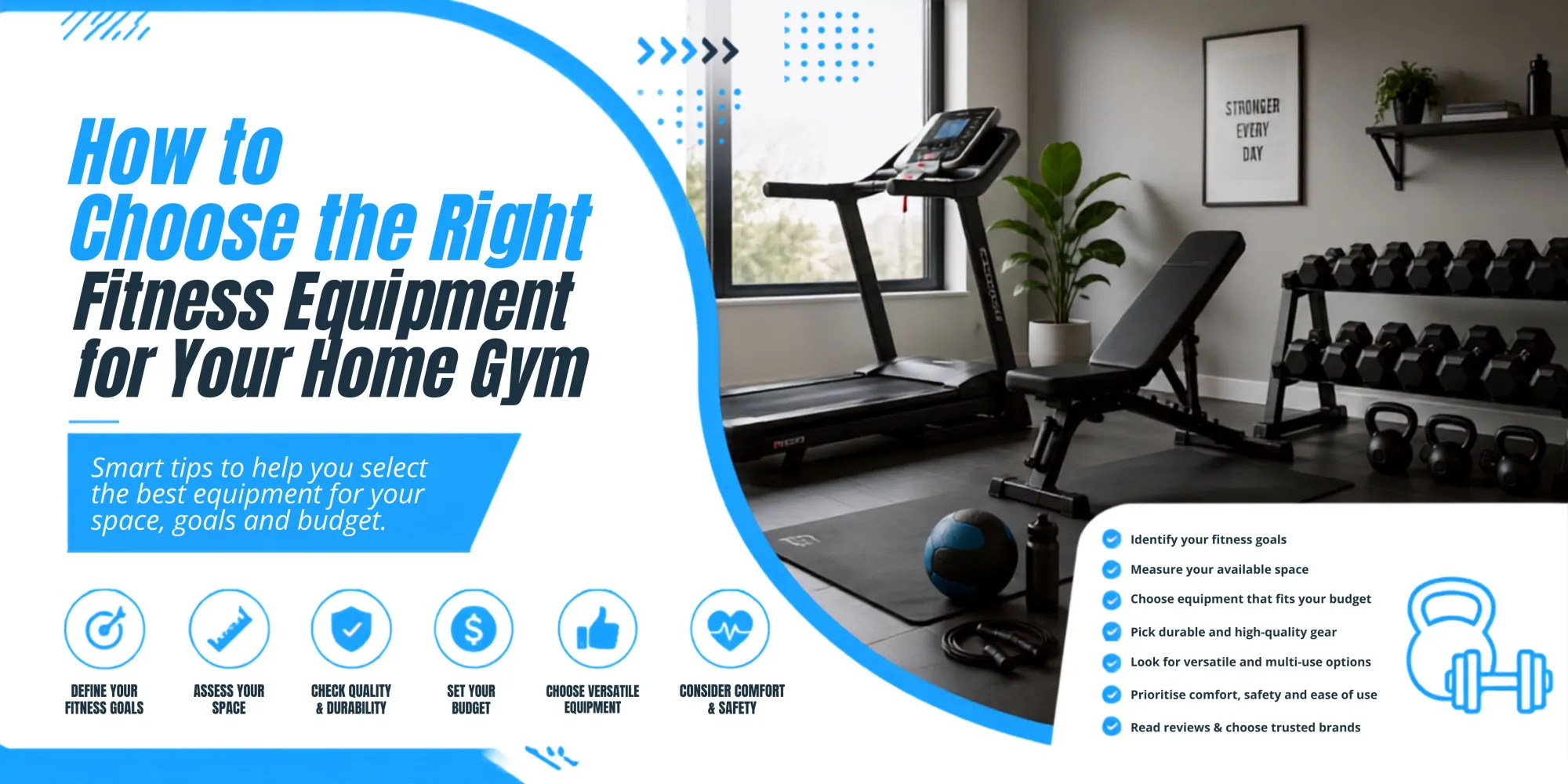
The specs on a bench description page tell you what it can do in theory. These seven considerations tell you whether it will actually work for you.
1. Match the Bench Type to Your Workouts
If your workouts are barbell-heavy and centered on compound lifts, considering flat bench is likely the better call; it's more stable under load. If your program varies between flat, incline, and decline pressing, or if you're training with dumbbells across multiple angles, considering an adjustable FID bench earns its keep quickly. Be honest about how you actually train, not how you intend to train.
2. Check the Weight Capacity and Build Quality
Manufacturer weight ratings typically include both the user's body weight and the weight being lifted. Check that the stated capacity covers your actual use with room to spare. A weight bench which flexes or wobbles under load isn't just uncomfortable; it's a safety concern that compounds over time.
3. Choose the Right Adjustability and Support
More adjustment positions sound better but aren't always. A bench with 14 positions is genuinely useful if you'll use those angles. A bench with 4 positions is entirely adequate for most people's needs and is often more solidly built. The backrest should lock firmly at every angle with no play under load; test or check reviews for this specifically.
4. Make Sure the Dimensions Suit You
Pad width ranges differently. Too narrow and you'll feel unstable on pressing movements; too wide and your shoulder blades can't retract properly during a bench press. Pad height also matters; 43 to 50cm is the functional range for most adults. If you're buying a weight bench online, check these numbers specifically rather than relying on photos.
5. Measure Your Available Space
A bench footprint is usually 120–150cm long and 45–65cm wide, but you need substantially more space around it to train safely. Allow at least 90cm on each side for dumbbell work and at least a meter behind the bench for free movement. If the bench goes inside a power rack, the rack's internal dimensions need to accommodate the bench with room to spare.
6. Check Compatibility With Your Home Gym
If you own a power rack, confirm the bench fits inside it, width and height, and whether the uprights interfere with your grip position. A weight bench that's too tall for your rack geometry, or too wide to slide in cleanly, creates a real problem. Weight benches with a preacher pad and leg extension include attachments that extend the bench's length, which is worth checking against your available rack depth.
7. Consider Long-Term Value
A bench which is able to deliver exactly what you need for the next five to eight years is better than the cheapest option that needs replacing in two. Higher-quality upholstery, a solid steel frame, and a reliable adjustment mechanism cost more upfront and save money over time. If you're planning to add more fitness equipment Melbourne to the setup gradually, buy a bench which will still make sense when the rest of the gym is more complete.
Common Weight Bench Buying Mistakes
Most buyers get this right, but these are the errors worth knowing before you buy a weight bench online:
- Choosing based only on price: The cheapest option often cuts corners on frame thickness, upholstery durability, or adjustment mechanism quality.
- Ignoring total weight capacity: Remember the rating includes your body weight plus the load you're lifting.
- Choosing a bench that is too narrow or too wide: In both cases, it causes real problems during pressing movements. Check pad width before ordering.
- Ignoring bench height: A weight bench that's too high or too low affects foot placement and body mechanics on every pressing exercise.
- Forgetting about available space: The bench footprint is the minimum. Your training needs considerably more room around it.
- Focusing on appearance instead of specifications: A bench which looks good in a product photo may have thin padding or a frame that flexes under real load. Read the specs, not just the renders.
Conclusion
A weight bench, when used right, is a foundational piece of fitness equipment Melbourne in any home gym, and getting the choice right at the start saves a lot of frustration later. Whether you're after a simple flat bench for heavy pressing or an adjustable FID bench that covers your full program, the most important factors are build quality, appropriate capacity, and honest compatibility with your space and your rack. If you're ready to buy a weight bench online, GoEasy Online’s weight bench online range covers flat, adjustable, multi-station, and specialty options across a range of price points, suited to both beginner setups and more complete home gyms.
FAQs
What Is the Best Weight Bench for a Home Gym?
For most people, an adjustable FID bench with at least 6–8 angle positions and a solid weight capacity covers the full range of home gym training. If you train primarily with a barbell or heavy loads, a high-quality flat bench is often the more stable and durable choice.
Is it Worth Buying a Weight Bench for Home?
Yes. A bench unlocks a much wider range of exercises than floor work alone, makes pressing movements safer and more effective, and adds long-term value to any fitness equipment setup. The upfront cost is offset quickly by the gym sessions it replaces.
What to Look for When Buying a Weight Bench?
Start with weight capacity (including your body weight), pad width and height, frame stability, and adjustment mechanism quality when you're buying. Then check your space: bench footprint plus working clearance. Finally, confirm compatibility with any rack or other fitness equipment in the setup.
How to Use a Weight Bench for Beginners?
Start with the flat bench press, a seated shoulder press, or dumbbell row, three movements that establish the fundamental pressing and pulling patterns of upper body training. Focus on controlled form with moderate weight before increasing load. A FID bench gives you the option to adjust the angle as you progress and add variety to your sessions.
This article was originally published on Go Easy Online : How to Choose the Right Weight Bench for Your Home Gym

























Sign in to leave a comment.