
Getting started with hockey can be an exciting experience for young players. However, having properly fitted gear is an important part of preparing for practices and games. Children are still growing, so equipment needs to provide appropriate coverage while allowing them to skate, handle the puck, and learn new skills comfortably.
Parents and young athletes should consider several factors before purchasing hockey gear. Size, fit, comfort, durability, playing level, and the child's position can all influence the selection process. Understanding the purpose of each item makes it easier to build a practical setup without choosing unnecessary products.
Essential Gear for Young Players
Youth Hockey Equipment generally includes a helmet, shoulder pads, elbow pads, gloves, hockey pants, shin guards, skates, and a stick. Each component serves a different purpose and should fit correctly to provide suitable coverage.
The helmet deserves particular attention because it protects the head during falls and contact. Parents should follow the manufacturer's sizing and adjustment instructions and regularly check that the helmet remains secure. Other protective pieces should also be positioned correctly so they stay in place during movement.
Why Proper Sizing Matters
Children can grow quickly, making regular equipment checks important. Gear that fitted correctly at the beginning of a season may become too small several months later. Parents should periodically check straps, padding, and overall coverage to make sure the equipment remains appropriate.
Buying equipment that is excessively large in anticipation of growth is generally not a substitute for proper fit. Oversized gear can move out of position and may interfere with skating or stick handling. A secure and comfortable fit should remain the priority.
Youth Hockey Equipment Should Fit Comfortably
When selecting Youth Hockey Equipment, parents should look at the child's measurements rather than relying only on age. Different manufacturers may use different sizing systems, so checking individual product measurements can make the process easier.
Comfort also matters because young players may spend considerable time wearing their gear during practices. Equipment that causes unnecessary pressure or restricts movement can make it harder for children to focus on learning hockey fundamentals.
Choosing the Right Skates
Skates directly affect a player's ability to move on the ice. A suitable pair should provide secure heel support and allow the child to maintain a comfortable skating position.
Parents should avoid assuming that hockey skates should be purchased in the same size as everyday footwear. Hockey skate sizing can differ, so manufacturer guidelines and professional fitting advice can be useful when available.
Skates should also be inspected regularly. Loose laces, worn components, or damaged runners can affect comfort and performance. Proper drying after practices can help protect the materials and blades.
Selecting a Suitable Stick
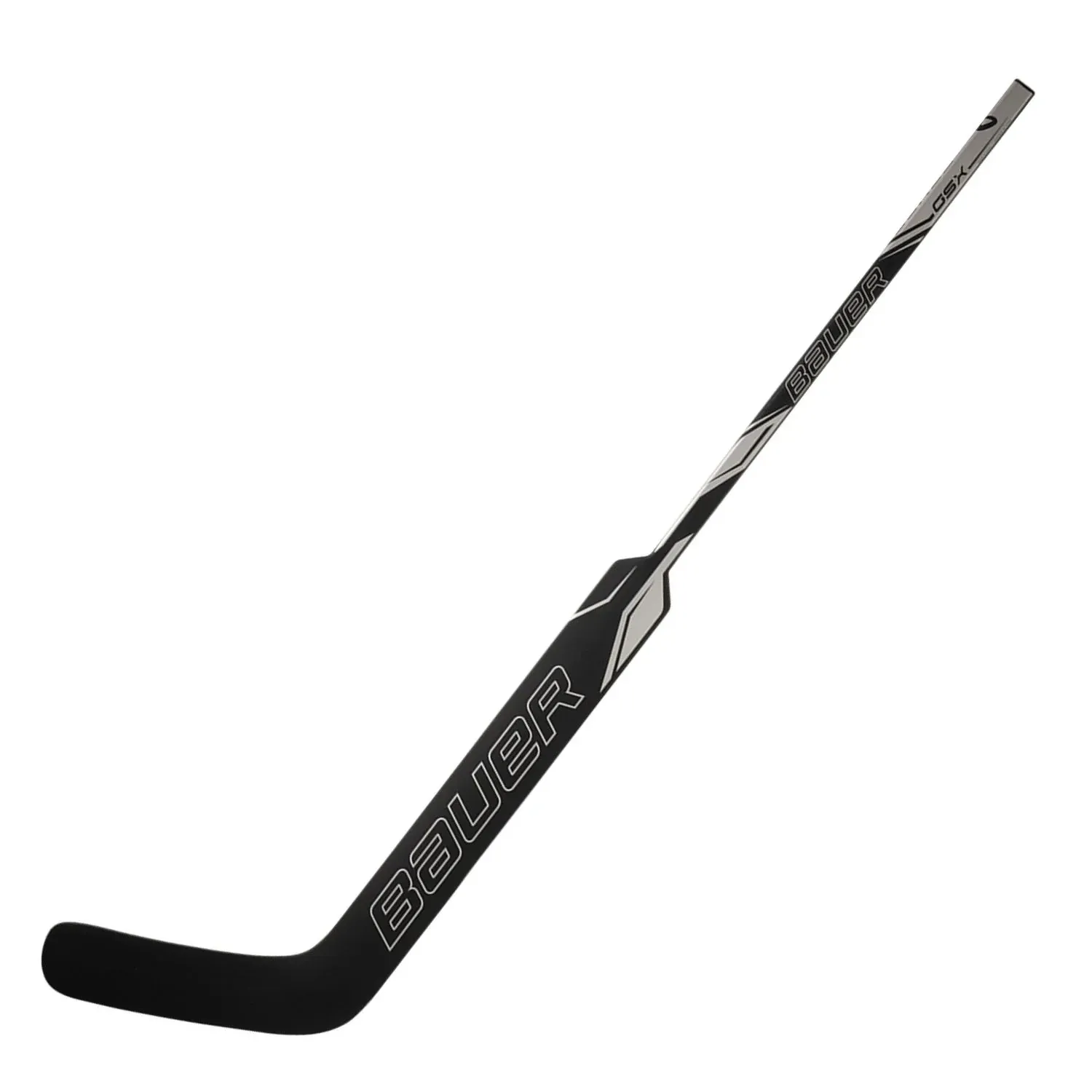
A young player's stick should match their size and strength. Stick length, flex, blade pattern, and weight can all influence puck control and shooting technique.
An overly long or heavy stick may be difficult for a child to handle. Parents can consider the manufacturer's recommendations and the player's height when choosing a suitable option.
As children develop their skills, their preferences may change. The stick that works well for a beginner may eventually be replaced by one with characteristics better suited to an evolving playing style.
Protective Gear for Different Positions
Most young players require the same basic protective equipment, but certain positions have additional requirements. Goaltenders, for example, use specialized masks, leg pads, gloves, chest protection, and other equipment designed specifically for their role.
Parents should understand the requirements of the league or program in which the child participates. Team rules may specify particular protective products or standards that players must follow.
Comfort and Mobility
Young players need freedom of movement while learning skating, passing, shooting, and positioning. Protective gear should provide coverage without unnecessarily restricting the arms, legs, or torso.
Parents can encourage children to move while wearing new equipment before heading onto the ice. Bending the knees, lifting the arms, and practicing basic skating movements can help identify uncomfortable areas that may need adjustment.
Caring for Youth Hockey Gear
Proper maintenance can help extend the life of hockey equipment. After every practice or game, wet gear should be removed from the equipment bag and allowed to dry thoroughly.
Parents should regularly inspect gloves, straps, padding, helmets, skates, and other components. Cleaning should follow manufacturer instructions, particularly for specialized protective materials.
Keeping equipment organized also helps children learn responsibility. Simple habits such as putting each item in the correct place and checking the gear before practice can make preparation easier.
Finding Suitable Equipment
sportsexcellence provides hockey products that can help families explore different equipment options for young players. When comparing products, parents can consider sizing, construction, comfort, durability, and the child's specific playing requirements.
It can be helpful to create a checklist before shopping. This ensures essential items are covered and makes it easier to compare products according to actual needs rather than appearance alone.
Final Thoughts
Choosing hockey gear for a young player requires attention to fit, protection, comfort, and growth. Each piece should support the child's ability to move naturally while providing appropriate coverage for practices and games.
Regularly checking the fit is especially important as children grow. With proper sizing, careful maintenance, and equipment suited to the player's development, families can create a practical hockey setup that supports an enjoyable experience on the ice.























Sign in to leave a comment.