
Why Cleaning Hearing Aids Is So Important
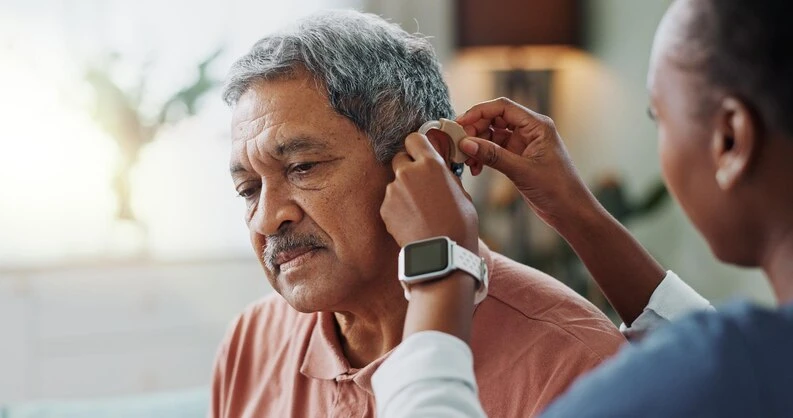
Hearing aids are in or behind the ear. They get earwax, oils, moisture, and debris. This build-up can cause:
- Reduced sound quality
- Whistling or feedback noises
- Shortened device lifespan
- Increased repairs or replacements
Using a good cleaning hearing aids and a routine can prevent these problems.
How Often Should a Hearing Aid Be Cleaned?
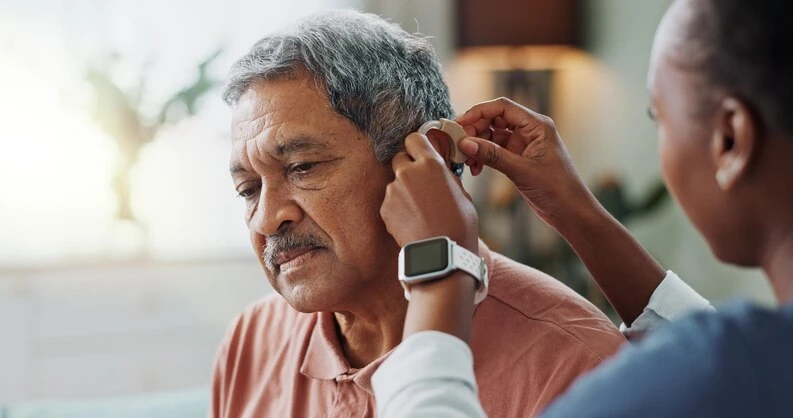
Here's a cleaning schedule:
- Daily: Use a dry cloth or hearing aid cleaning wipes
- Weekly: Use brushes, wires, and wax loops for deep cleaning
- Monthly: Check tubing and domes for wear; replace if needed
- Every 6 months: Get a professional cleaning or replace tubing
At Hearing Health Hub, we suggest checking your hearing aids every night to avoid buildup.
What You'll Need: Hearing Aid Cleaning Tools
First, get the right tools. Many are in hearing aid cleaning kits .
Essential Tools:
- Brush: Removes wax and debris from the surface
- Wax loop or pick: Gets wax from small openings
- Hearing aid cleaning wire: Cleans tubes or vents
- Vent cleaner: Uses a thin wire for narrow passages
- Dry cloth or wipes: For daily cleaning
- Bulb blower: Removes moisture from tubing (BTE models)
- Cleaning spray (optional): Disinfects the outer surface.
How to Clean Hearing Aids (Step-by-Step)
There are different types of hearing aids. Each needs a specific cleaning method. We'll show you how to clean based on the type.
1. Behind-the-Ear (BTE) Hearing Aids
BTE hearing aids sit behind the ear. They have a clear tube that connects to an earmould.
Daily:
- Wipe down the earmould and device with a dry cloth
- Use hearing aid cleaning wipes for quick sanitisation
Weekly:
- Detach the earmould from the tubing
- Use a hearing aid cleaning wire to gently clear out the tubing
- Check for moisture and use a bulb blower if needed
- Use a brush to remove surface dust from the device itself
Monthly:
- Soak the earmould in warm, soapy water (not the device!)
- Dry completely before reattaching
Tip: Never expose the hearing aid body to water — only the mould.
2. In-the-Ear (ITE) and In-the-Canal (ITC) Hearing Aids
These devices sit entirely inside the ear. They have more direct contact with earwax.
Daily:
- Wipe with a cloth or use cleaning wipes for hearing aids
- Check microphone and receiver ports for blockage
Weekly:
- Use the wax loop to gently remove any buildup from the ports
- Use a soft brush to clean the shell
- Use a vent cleaner or hearing aid cleaning wire to unclog air vents
3. Receiver-in-Canal (RIC) Hearing Aids
These look similar to BTE devices but with a speaker inside the ear canal.
Daily:
- Clean the speaker dome with a cloth or soft wipe
- Remove any visible debris
Weekly:
- Remove the dome and brush the speaker port
- Replace wax guards as needed
- Use a cleaning wire for hearing aids to clear the tube
How to Clean Hearing Aid Tubes
One of the most common maintenance tasks is cleaning hearing aid tubes, especially in BTE and RIC models.
Steps:
- Detach the tube from the hearing aid
- Insert a hearing aid cleaning wire or filament through the entire tube
- Gently pull the wire through to remove wax or debris
- Use a bulb blower to push out moisture
- Reconnect the tubing once fully dry
If you’re using cleaning kits for hearing aids, most will include a wire specifically for tubing.
Using a Hearing Aid Cleaning Kit (Properly)
There are many kits on the market, including:
- Specsavers hearing aid cleaning kit
- Boots hearing aid cleaning kit
- Hearing Health Hub’s professional kit
- NHS hearing aid cleaning kits (may be provided during fittings or follow-up)
A good kit should include:
- Cleaning brush
- Wax pick or loop
- Cleaning wire or vent tool
- Cleaning cloth or wipes
- Carry case
Using these tools regularly makes hearing aid cleaning a part of your daily routine.
NHS Hearing Aid Cleaning Guidance
If you got your hearing aids from the NHS, you might have a NHS hearing aid cleaning kit. It comes with instructions. Most NHS devices are BTE, so follow the BTE cleaning process we mentioned earlier.
NHS clinics often do checks and cleanings. But, it's also important to clean your device at home. Always follow the NHS advice for cleaning NHS hearing aids. This keeps your warranty and service support valid.
Where to Get a Cleaning Kit for Hearing Aids
You can buy a hearing aid cleaning kit from several places:
- Hearing Health Hub – Our kits have everything you need
Tips for Safe and Effective Hearing Aid Cleaning
- Avoid moisture: Never submerge the device in water
- Clean over a soft surface: If you drop the device, you’ll avoid damage
- Replace filters regularly: Especially wax guards and domes
- Use only approved tools: DIY tools can damage small parts
- Store properly: Use a dry box or dehumidifier to remove moisture overnight
- Be gentle: Devices are fragile and should be handled with care
Troubleshooting: Signs Your Hearing Aid Needs Cleaning
If you notice any of these signs, it's time to clean your device:
- Muffled or distorted sound
- Whistling or feedback
- Device not turning on
- Visible wax or debris on ports
- Moisture inside tubing
In these cases, start with a thorough clean using your hearing aids cleaning kit. If the problem doesn't go away, see your audiologist or contact Hearing Health Hub for help.
Final Thoughts: Clean Hearing Aids = Better Hearing Health
Learning how to clean hearing aids is key to keeping them working well. Whether you use a Specsavers hearing aid cleaning kit, an NHS hearing aid cleaning kit, or a cleaning kit for hearing aids from Hearing Health Hub, the right tools and habits are crucial.
Regular cleaning means you can hear clearly, comfortably, and confidently every day.
Need Help? Trust the Experts at Hearing Health Hub
At Hearing Health Hub, we don't just sell hearing aids. We help you take care of them. Check out our hearing aid cleaning kits, hearing aid cleaning wipes, and hearing aid cleaning tools. Or, talk to our experts for tips on keeping your device in top shape.
Shop professional cleaning kits
Get expert care tips
Free resources and guides
UK-wide shipping




















Sign in to leave a comment.