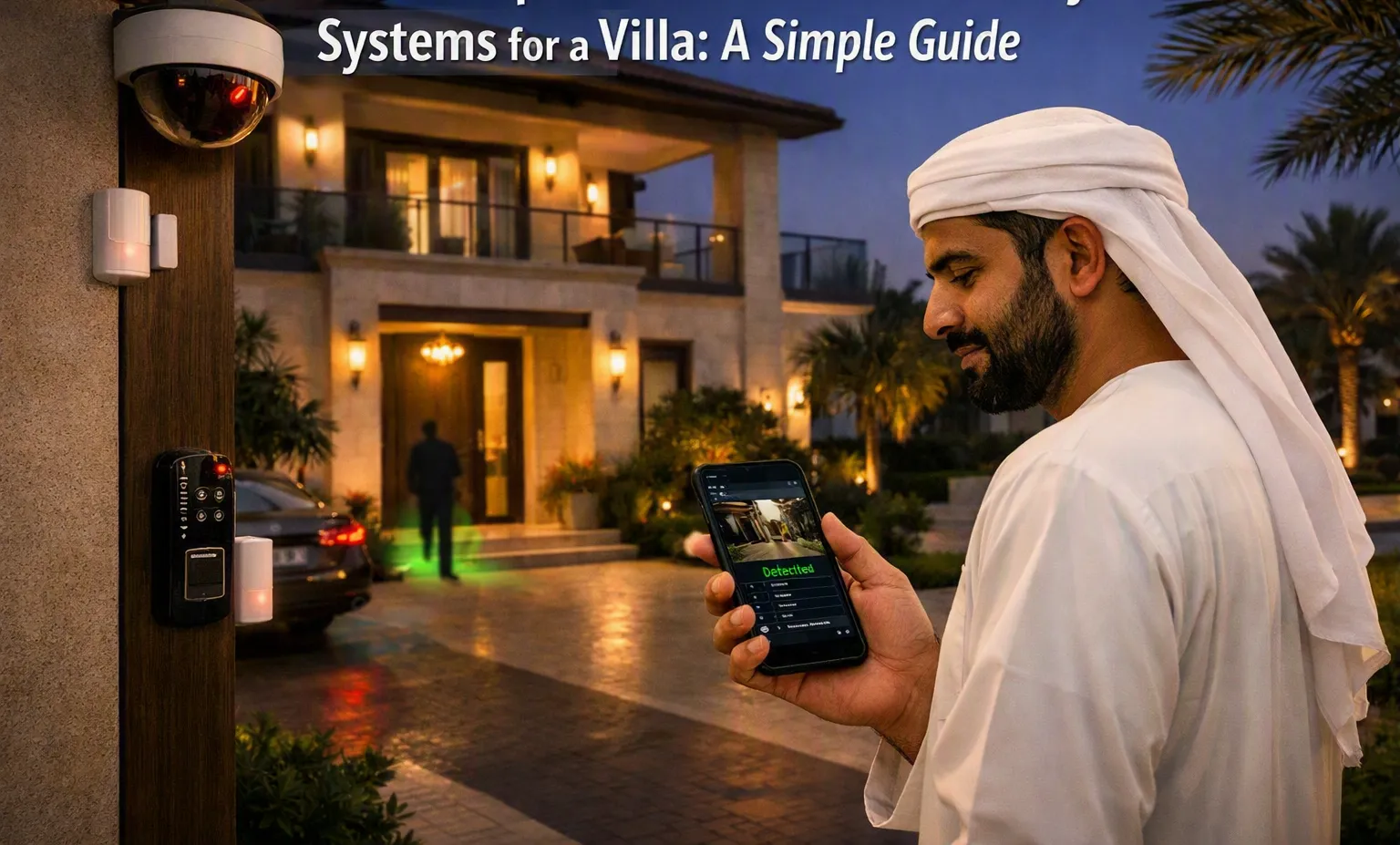

Choosing Smart home security systems for a villa requires more thought than selecting a few cameras or sensors. A villa usually has several entry points, outdoor areas, multiple rooms, and sometimes more than one floor. A good comparison starts by looking at the layout of the property and then checking which security features are useful for that space.
Start With the Villa Layout
The first step is to understand which areas need protection. Walk around the property and note the main entrance, side doors, garage, balconies, windows, garden, driveway, and other possible entry points.
Large villas may need different types of devices in different areas. For example, an outdoor camera can monitor a driveway, while a door sensor can help detect when an entrance is opened. Motion sensors may be useful in selected indoor areas.
Making a simple security map can help avoid buying devices that are not needed while also reducing the chance of leaving an important area uncovered.
Compare Camera Coverage
Cameras are an important part of many villa security setups, but more cameras do not always mean better coverage. Compare the viewing angle, image quality, night performance, storage options, and placement requirements.
Outdoor cameras should be suitable for changing weather conditions. They should also cover useful areas without pointing unnecessarily toward private spaces.
Check whether the camera can record clearly at night and whether the video can be viewed remotely. Some systems store recordings locally, while others use cloud storage. Each option has different costs, storage limits, and access methods.
Check Door and Window Protection
A villa can have many doors and windows, so entry sensors should be compared carefully. Door and window sensors can notify residents when an opening is accessed unexpectedly.
For larger properties, consider how many sensors the central system can support. It is also useful to check whether additional sensors can be added later.
Garage doors and less frequently used entrances should not be overlooked. These areas can have different security requirements from the main entrance.
Look at Motion and Presence Detection
Motion detection can add another layer of awareness inside and outside the property. However, the location and sensitivity of the sensors matter.
Outdoor sensors can sometimes detect pets, moving plants, vehicles, or other activity. Compare how each system handles these situations and whether sensitivity can be adjusted.
Some newer security systems can identify different types of activity instead of treating every movement in the same way. This can help reduce unnecessary notifications.
Compare Mobile Access and Alerts
Remote access can be useful for villa owners who are away from home. Before choosing a system, check how alerts are delivered and what can be controlled through the mobile application.
For example, some systems may allow users to view cameras, receive sensor alerts, or check the status of doors. The application should be easy to understand and should work reliably on the devices used by the household.
Also check whether multiple household members can have separate access instead of sharing one account.
Check System Compatibility
A villa may already have other technology installed, such as smart lighting, door locks, intercoms, or home automation equipment. When comparing security systems, check whether the devices can work together.
Compatibility can make everyday use simpler. For example, a security event could potentially trigger another connected device, depending on the system and its supported features.
It is also important to check whether the system uses a common communication standard or requires devices from one specific manufacturer.
Consider Power and Internet Requirements
Security devices depend on power and, in many cases, an internet connection. Wired cameras may need professional cabling, while battery-powered devices require regular battery checks or replacement.
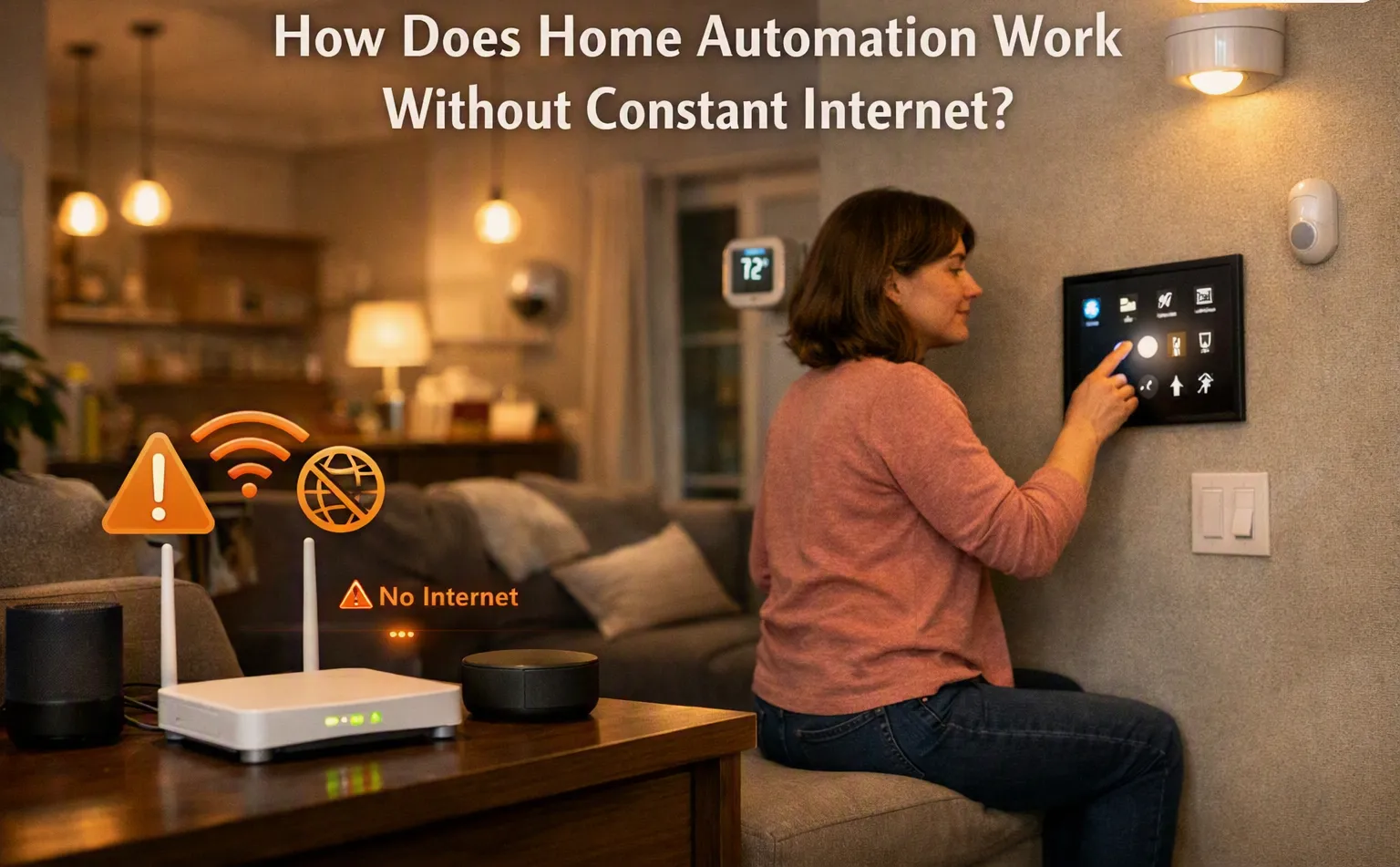
Ask how the system behaves when the internet connection is interrupted. Some devices may continue recording locally, while others may have limited functionality without an internet connection.
Power backup can also be considered for important security equipment, especially in areas where power interruptions occur.
Compare Storage and Data Protection
Recorded security footage can take up considerable storage space. Compare local storage, network storage, and cloud-based options before making a decision.
Look at how long recordings can be retained, how they can be accessed, and whether there are additional storage charges. Data protection should also be considered, particularly when cameras are placed around private residential areas.
Use strong passwords and keep device software updated to reduce common security risks.
Check Installation and Future Expansion
Installation requirements can vary depending on the villa's construction, wiring, number of floors, and outdoor spaces. A system that works well in one property may not be suitable for another.
It is useful to compare how easy it is to add cameras, sensors, locks, or other devices later. A flexible system can be more practical if the security needs of the property change over time.
When comparing Smart home security systems, focus on coverage, device quality, remote access, compatibility, installation needs, storage, and future expansion rather than simply counting the number of devices included.

























Sign in to leave a comment.