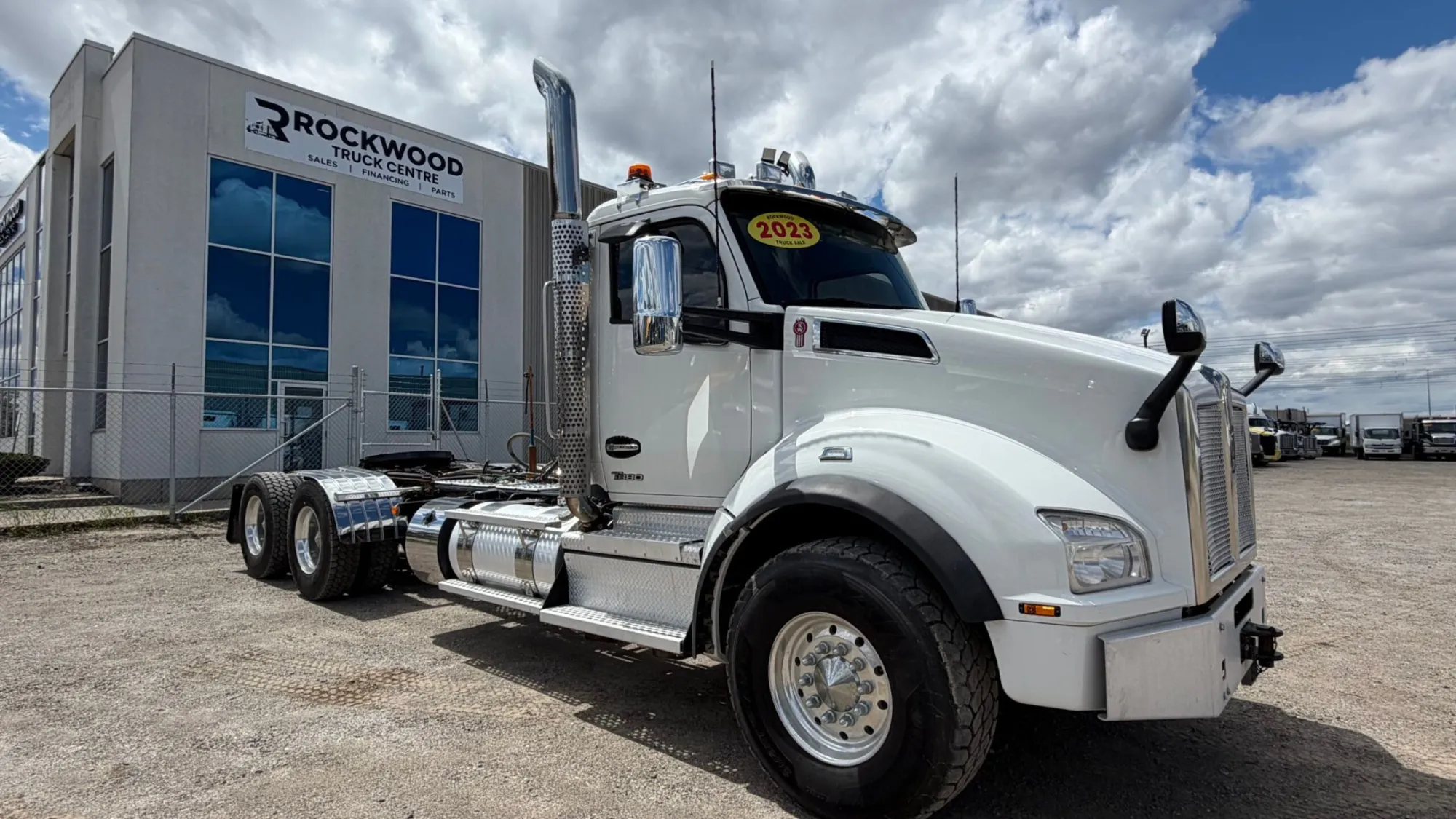

Buying a used truck is a major decision, especially when that truck will earn its keep on the road. A smart comparison can help you avoid paying for features you do not need or overlooking problems that may cost more later. For buyers researching truck sales in Mississauga, the best approach is simple: place two trucks side by side and judge them against the work they need to do, not just the asking price.
Start With the Job You Need the Truck to Do
Before looking at prices or mileage, ask a basic question: What will the truck actually be used for?
A truck used for long highway runs may need different features than one used for shorter local routes. Payload, towing needs, fuel use, cab style, engine power and transmission all deserve attention. A sleeper truck may make sense for regular long distance work, while a day cab could be a better fit for local operations.
Write down the main tasks the truck will handle. Then use that list as your measuring stick. A truck can look like a great deal on paper, yet still be the wrong choice for your business. A slightly more expensive option may offer the equipment and setup needed for the job, making it a more practical purchase over time.
Compare Age and Mileage Together
Age tells only part of a truck’s story. Mileage adds another important piece. Suppose one truck is newer but has significantly more kilometres than an older truck. Which one is better? There is no automatic answer. Usage matters.
Look at the truck’s age, odometer reading and overall condition together. Ask how the vehicle was used and what type of work it handled. A truck with higher mileage may still be worth considering if its condition matches its service history and specifications.
Also pay attention to the relationship between mileage and price. A lower price can look tempting, but a large difference in mileage deserves a closer look before you make a decision.
Check the Engine and Transmission
The engine and transmission are two of the most important parts of any commercial truck. Compare their specifications carefully rather than focusing only on horsepower.
Look at engine type, horsepower, transmission type and axle ratio. Think about how those specifications match your regular routes and loads.
More power is not automatically better. A truck with suitable power and gearing can be a better match than one with a larger engine that does not suit your daily work. The same idea applies to the transmission. The right setup depends on the kind of driving the truck will handle.
If you are unsure about a specification, ask questions. A good truck buying decision should never depend on guessing what a number means.
Look Beyond the Numbers
A specification sheet cannot tell you everything.
Take a close look at the cab, seats, tires, body, lights, mirrors and other visible parts. Check for signs of excessive wear or damage. Look at the condition of the interior too. A clean, cared for cab can tell you something about how a truck was treated, although appearance alone should never make the final decision.
Ask about maintenance records and available vehicle history. Service information can give you useful clues about past care and major repairs.
A quick walk around the truck is worth your time. You may notice something that a list of specifications simply cannot show.
Compare the Total Cost, Not Just the Price
Here is where many buyers get caught up. Truck A costs less, so it must be the better deal, right? Not necessarily.
Think about the full cost of ownership. Consider fuel use, expected maintenance, tires, repairs, insurance and financing costs. A truck with a higher purchase price could make more sense if its specifications, condition and expected running costs fit your business better.
For buyers looking through used trucks for sale in Mississauga, comparing the full picture can make the choice much clearer. Price matters, but value matters more.
Compare Financing Options Carefully
Financing can also affect your final decision. Two trucks may have different prices, so monthly payments alone may not tell the whole story.
Look at the amount financed, payment terms and total repayment cost. Make sure the payment fits comfortably within your business budget. A truck should support your operation rather than put unnecessary pressure on cash flow.
Rockwood Truck Centre offers financing options for commercial truck buyers, making financing another area worth discussing before choosing between two vehicles.
Put Both Trucks Through the Same Checklist
A simple checklist can prevent emotions from taking over.
For each truck, compare:
- Year and mileage
- Engine and horsepower
- Transmission
- Axle ratio
- Cab type
- Overall condition
- Service and vehicle history
- Asking price
- Financing options
- Suitability for your regular work
Give each area a simple rating. A five minute comparison can reveal which truck actually offers the better fit.
Also, do not rush because one truck looks attractive at first glance. Take your time, ask questions and compare facts. Commercial trucks are working assets, so the right choice should make sense long after the paperwork is signed.
Bottom Line
Choosing between two used trucks becomes much easier once the comparison moves beyond price alone. Age, mileage, specifications, condition, history, financing and intended use all deserve a place on the same checklist.
Rockwood Truck Centre helps commercial truck buyers review available options with practical details such as truck specifications, pricing and financing. Its inventory gives buyers a starting point for comparing vehicles based on their actual work requirements. For anyone considering truck sales in Mississauga, taking a careful and informed approach can make the purchase feel far less complicated and far more worthwhile.


























Sign in to leave a comment.