

Caterpillars may look harmless, but a large number of them can quickly become a problem for gardens, trees, shrubs, and outdoor plants. They feed on leaves and can cause noticeable damage when populations grow. Some species may also build webs or hide among dense foliage, making them difficult to spot until plant damage becomes obvious.
A caterpillar infestation Hamilton homeowners notice can often be managed more effectively when the problem is identified early. Understanding where caterpillars come from, what attracts them, and how to prevent them can help protect your outdoor spaces.
Why Do Caterpillars Appear?
Caterpillars are the young stage of moths and butterflies. Adult insects lay eggs on plants, and the eggs eventually hatch into larvae. Once they emerge, caterpillars begin feeding on nearby leaves.
Hamilton gardens can provide plenty of food during the warmer months. Trees, flowering plants, vegetable gardens, and ornamental shrubs can all attract different species.
Weather conditions can also influence insect activity. Warm temperatures and suitable moisture levels may encourage caterpillar populations to grow quickly.
Signs of a Caterpillar Problem
The easiest sign to notice is damaged foliage. Caterpillars commonly chew holes in leaves or eat sections from the edges. In heavier cases, they can strip large parts of a plant.
Look for These Warning Signs
Regularly inspect your plants for:
- Holes or missing sections of leaves
- Caterpillar droppings on leaves or soil
- Silk webs around branches
- Clusters of eggs
- Caterpillars hiding underneath leaves
- Brown or damaged foliage
- Thinning areas in shrubs or trees
Small amounts of feeding may not seriously harm healthy plants. However, repeated feeding can weaken plants and make them more vulnerable to other problems.
Which Plants Attract Caterpillars?
Different caterpillar species prefer different plants. Fruit trees, vegetable plants, ornamental shrubs, and native trees can all become hosts.
Some species prefer young leaves, while others feed on mature foliage. Caterpillars may also hide in tree bark, leaf clusters, or webbing during parts of their development.
Because their feeding preferences vary, identifying the species can help determine the most appropriate control method.
How to Reduce Caterpillar Activity
Early action can make pest management easier. Start by inspecting plants regularly, especially during periods of increased insect activity.
Remove Small Numbers by Hand
If only a few caterpillars are present, carefully removing them from plants may help. Wear gloves when handling unfamiliar species because some caterpillars can have irritating hairs or spines.
Do not handle caterpillars that you cannot identify.
Keep Plants Healthy
Healthy plants can often tolerate limited insect feeding better than stressed plants. Water plants properly and provide suitable growing conditions.
Remove severely damaged leaves when appropriate, and keep garden areas free from unnecessary plant debris.
Inspect Leaves and Branches
Check the underside of leaves because eggs and young larvae can be difficult to see from above. Inspect branches for webbing, clusters, and other signs of activity.
Early detection gives you more opportunities to respond before the population increases.
When Professional Treatment May Be Needed
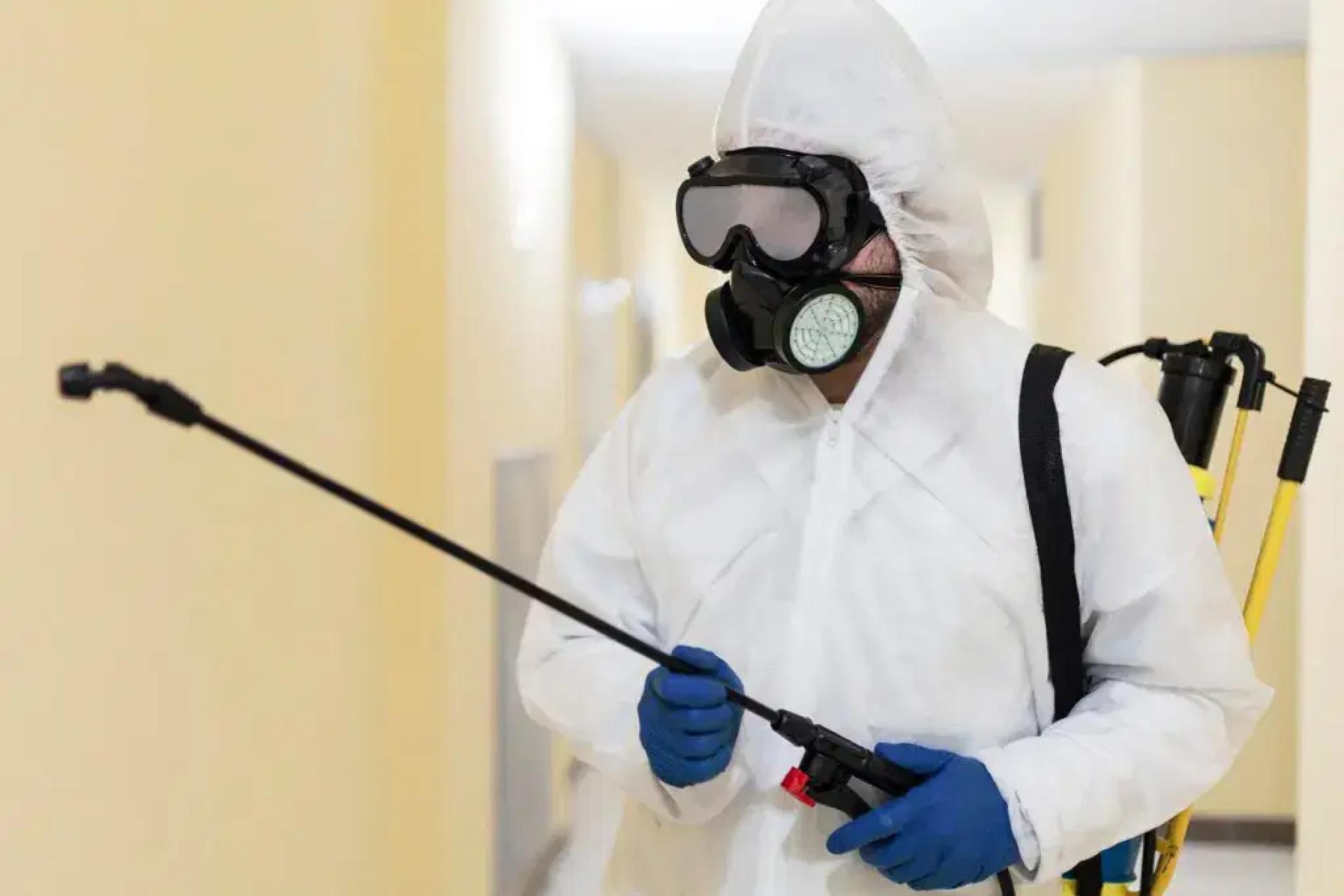
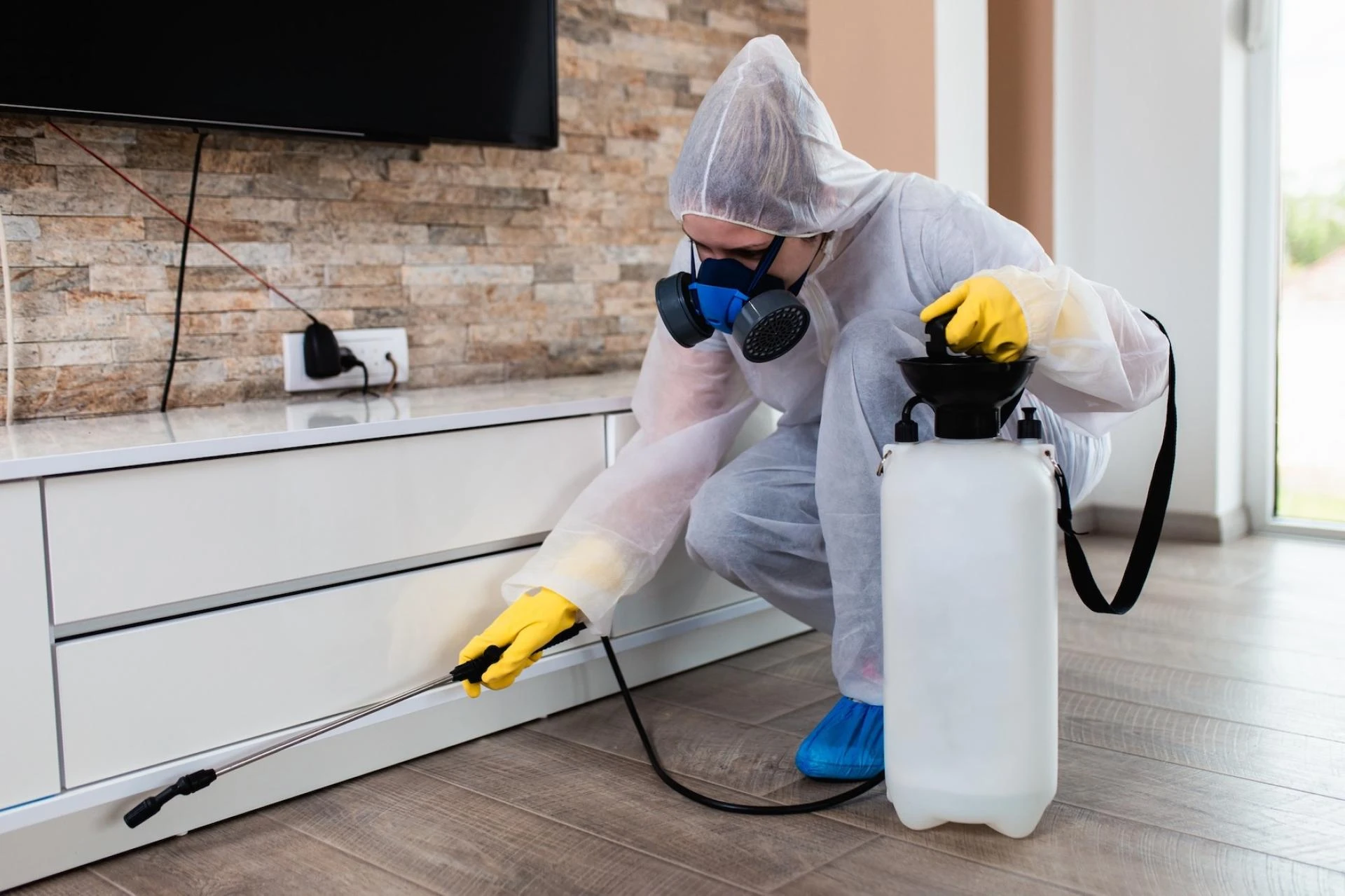
A small number of caterpillars may not require professional treatment. However, a larger population can become difficult to manage, particularly when mature trees or several areas of a property are affected.
If you continue finding new caterpillars after removing visible insects, there may be eggs or larvae hidden throughout the plants. Professional pest specialists can inspect the affected areas and determine the source of the activity.
A caterpillar infestation Hamilton property owners cannot control through basic prevention may require a more targeted treatment plan.
Professional assessment can also help protect valuable trees and landscaping from extensive feeding damage.
Preventing Future Caterpillar Problems
Prevention starts with regular observation. Walk around your yard and inspect plants throughout the growing season. Look beneath leaves, around branches, and near areas where previous activity occurred.
Keep plants properly maintained and remove heavily damaged material when appropriate. Pruning can improve airflow and make it easier to notice unusual insect activity.
Avoid allowing weeds and dense vegetation to become unmanaged around garden areas. Good landscape maintenance can make pest activity easier to detect.
It is also helpful to learn which plants around your property are most attractive to local caterpillar species. This allows you to monitor those plants more closely.
Why Early Action Matters
Caterpillars can develop quickly, and some species feed heavily during short periods. Waiting until an entire tree or garden area shows damage can make control more difficult.
Early inspection allows homeowners to identify changes before serious damage occurs. Even simple actions such as checking leaves regularly and removing small groups of insects can make a difference.
If the problem keeps returning, professional advice can help determine whether the issue is seasonal, related to a particular plant, or connected to a larger pest cycle.
Frequently Asked Questions
Are caterpillars harmful to plants?
Many caterpillars feed on plant leaves and can cause damage. A few may have little effect, but large populations can weaken plants significantly.
How can I tell if caterpillars are eating my plants?
Look for holes, missing sections of leaves, droppings, webbing, and caterpillars underneath foliage. These signs usually indicate active feeding.
Should I touch caterpillars?
It is best to avoid touching unidentified caterpillars. Some species have hairs or spines that can irritate the skin.
Can caterpillars damage trees?
Yes. Heavy feeding can remove large amounts of foliage from trees. Healthy trees may recover, but repeated or severe damage can place additional stress on them.
When is the best time to inspect for caterpillars?
Regular inspections during the warmer growing season are helpful. Checking plants early can reveal eggs or young larvae before populations become larger.
Conclusion
Caterpillars are a natural part of the environment, but large populations can damage gardens, shrubs, and trees. Regular inspections, proper plant care, and early action can help keep feeding damage under control. When caterpillar activity becomes difficult to manage, Pest AI can provide professional guidance and practical pest management solutions for Hamilton properties.























Sign in to leave a comment.