

Sharing a bedroom can be a wonderful experience for siblings. It gives them opportunities to bond, play together, and create lasting memories. However, when children have different sensory preferences, sharing the same space can sometimes be challenging. One child might prefer a quiet room with soft lighting, while the other enjoys bright colors, toys, and plenty of activity.
Creating a sensory-friendly shared bedroom for kids doesn't mean making everything identical or removing every possible distraction. The goal is to create a balanced environment where both children feel comfortable, respected, and able to relax.
With a few thoughtful adjustments, parents can make a shared bedroom more suitable for each child's individual needs.
1. Understand Each Child's Sensory Preferences
Before changing the bedroom, take time to understand what each child enjoys and what makes them uncomfortable. Children can respond differently to light, sound, textures, movement, and temperature.
Understanding sensory processing differences in children can help parents recognize why siblings may react differently to the same bedroom environment.
Notice What Makes Each Child Comfortable
One sibling might feel relaxed with soft lighting and minimal decorations, while the other prefers colorful bedding and familiar toys nearby. Neither preference is necessarily wrong.
Observe how your children respond to their surroundings. Do they complain about noise? Do certain fabrics bother them? Does one child struggle to settle when the room is cluttered?
These observations can help you decide which changes are most useful.
Give Both Children a Voice
Ask each child what they like and dislike about the bedroom. Younger children might find it easier to choose between two bedding options or point out their favorite corner.
Involving both siblings helps them feel included and reduces the chance that one child's preferences dominate the room.
2. Create Separate Personal Spaces
Even when siblings share a bedroom, each child benefits from having an area that feels like their own. Personal space can help children feel a greater sense of control over their surroundings.
Define Individual Sleeping Areas
If space allows, position beds separately and give each child their own bedside storage, favorite soft toy, or small collection of personal belongings.
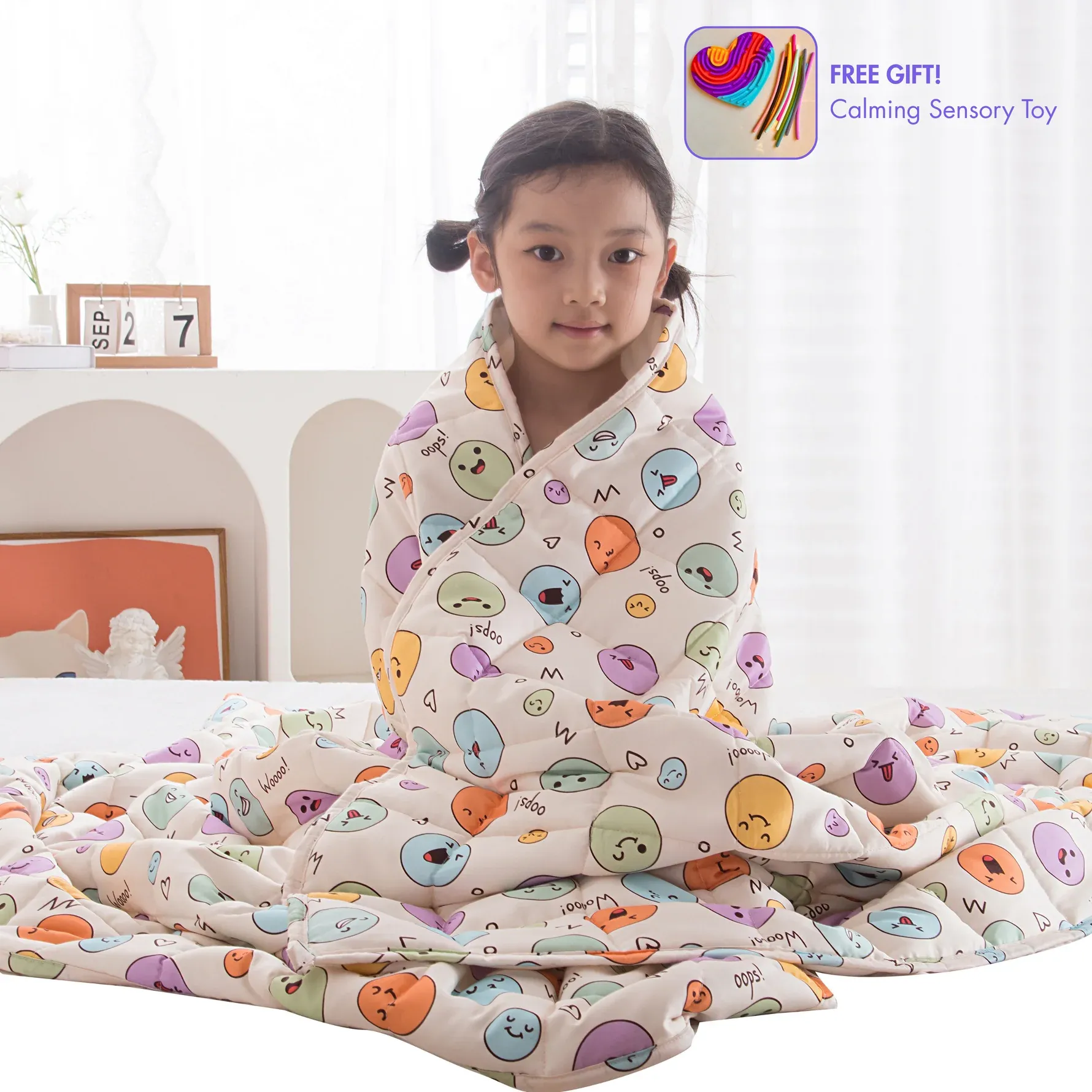
Different-colored bedding can help distinguish each sleeping area without making the room feel mismatched. If both children prefer similar designs, matching bedding with individual accessories can work just as well.
Use Simple Dividers When Practical
A low bookshelf, separate storage units, or a carefully positioned screen may help define each child's space. In smaller bedrooms, different wall decorations or designated bedside areas can create a sense of separation.
Keep walkways clear and avoid heavy or unstable dividers that could create safety hazards.
3. Choose Comfortable Lighting
Lighting can influence how comfortable a bedroom feels, particularly when siblings have different preferences.
Keep the Main Lighting Flexible
A bright ceiling light may be useful for getting dressed or tidying up, but softer lighting can create a calmer atmosphere before bedtime.
Consider warm-toned lamps or adjustable lighting so the room can suit different activities throughout the day. Avoid flickering bulbs and harsh glare where possible.
Respect Different Bedtime Preferences
If one child likes a night-light while the other prefers darkness, try a small, shielded light directed towards the child who needs it. Position it away from the other child's face to reduce disruption.
Remember that even dim lighting can disturb a sibling who is sensitive to light, so check whether the arrangement works for both children.
4. Reduce Noise and Bedtime Distractions
Noise is a common source of disagreement between siblings sharing a bedroom. One child might enjoy talking or listening to stories, while the other needs a quieter environment to settle.
Establish a Shared Bedtime Routine
Agree on a consistent time to begin winding down. Reading quietly, preparing clothes for the next day, and putting away noisy toys can help signal that bedtime is approaching.
If the children have different sleep schedules, consider whether one can complete their bedtime routine in another room before entering the shared bedroom.
Soften Everyday Sounds
Rugs, curtains, and upholstered furnishings may help reduce echoes in a room. Store noisy toys away from sleeping areas and agree on quiet activities when one sibling is resting.
Some families may find a white-noise machine helpful, but it isn't necessary for every child. If you use one, keep the volume low and follow age-appropriate safety guidance.
5. Choose Bedding That Suits Both Children
Bedding is an important part of a comfortable shared bedroom because children spend many hours in direct contact with their sheets, blankets, and pillows.
Consider Fabric, Texture, and Temperature
Some children dislike rough textures, raised seams, scratchy labels, or heavy fabrics. Others prefer the familiar feel of a particular material.
Choose bedding that feels comfortable to each child and suits the room's temperature. Breathable fabrics may be useful in warmer weather, while additional layers can provide flexibility during cooler nights.
Wash new bedding before use if recommended by the manufacturer, and check care labels to help maintain its softness.
Let Each Child Choose Their Own Bedding
Children don't need identical bedding to share a room successfully. Allowing each sibling to choose a preferred color, pattern, or fabric can help them feel more comfortable in their sleeping area.
Parents exploring different options can browse our kids' weighted blankets collection. However, weighted blankets aren't necessary for creating a sensory-friendly bedroom. Before considering one for a child, consult an appropriate healthcare professional and follow the manufacturer's age, weight, and safety guidance.
6. Keep the Room Organized Without Making It Feel Empty
Clutter can make a bedroom feel overwhelming for some children, while others find comfort in having favorite objects nearby.
Create Simple Storage Zones
Use labelled baskets, accessible drawers, or separate shelves to give each sibling a place for toys, books, and personal items. Keep frequently used belongings within easy reach.
Rather than removing everything, focus on keeping the floor and sleeping areas clear. Rotate toys if the room becomes crowded, allowing both children to keep access to the items they value.
Make Small Changes and Review What Works
A sensory-friendly shared bedroom doesn't need to be perfect from the beginning. Start with the biggest sources of discomfort, such as bedtime noise, uncomfortable bedding, or disagreements over lighting.
Make one or two changes at a time and ask both children how they feel about the results. Their preferences may change as they grow, so review the arrangement occasionally. Our guide to how sensory sensitivities change as kids grow offers further insight into how children's sensory preferences can vary over time.
Ultimately, the most successful sensory-friendly shared bedroom for kids is one that balances both children's needs rather than expecting them to enjoy exactly the same environment. With thoughtful planning, comfortable bedding, personal space, and a few consistent routines, sharing a bedroom can become a more positive experience for the whole family.



















Sign in to leave a comment.