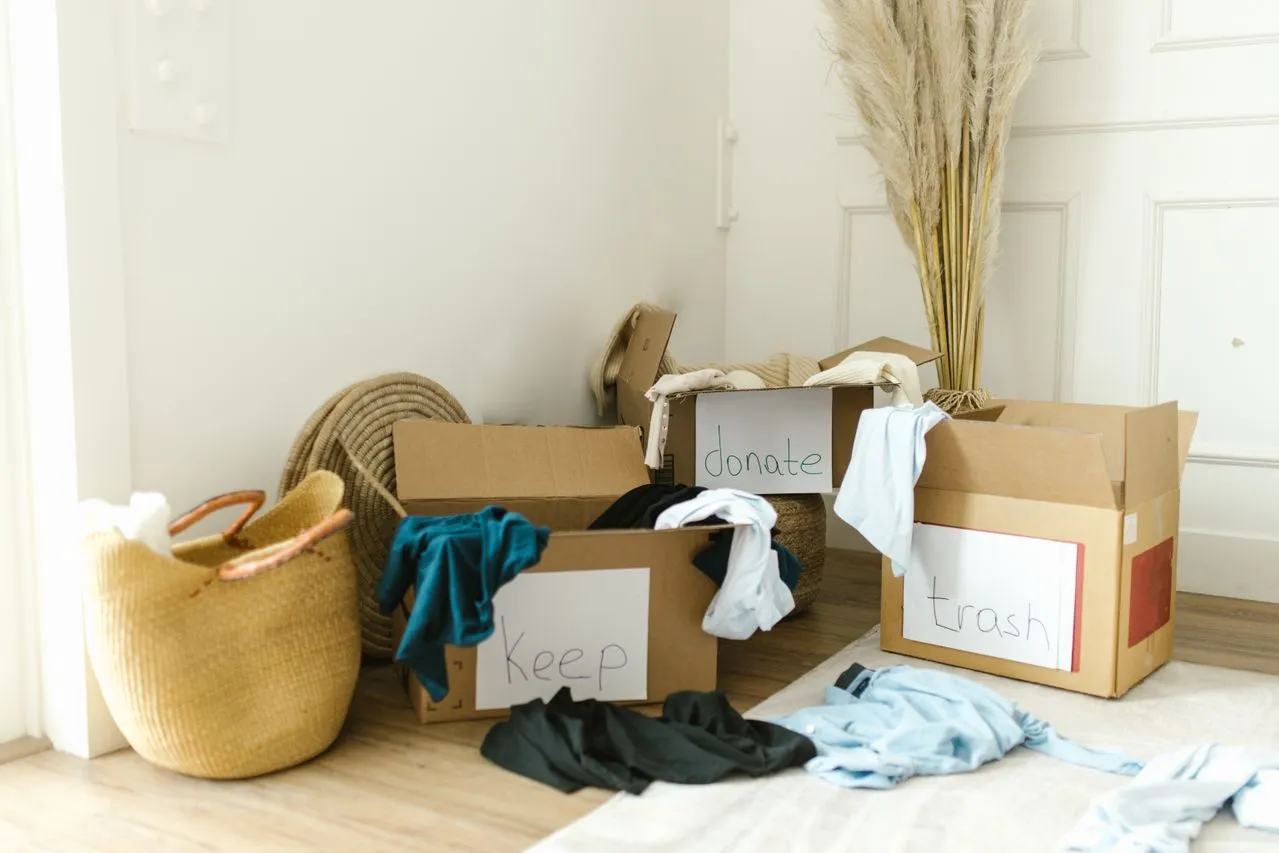

Decluttering often feels like an all-or-nothing proposition, where you must choose between keeping your space organized or preserving the items that hold personal significance. Many people struggle with this perceived conflict, believing that meaningful possessions automatically create disorder or that minimalism requires emotional detachment from everything around you. The reality is more nuanced. You can create a functional, organized environment while still honoring the objects, memories, and collections that genuinely contribute to your well-being and identity. This approach requires a different mindset than typical decluttering frameworks, one that distinguishes between items that add value and those that simply occupy space. Understanding this distinction allows you to make intentional choices about what stays and what goes.
Identifying What Actually Matters to You
Before you begin removing anything from your space, spend time understanding what genuinely matters in your life. This means moving beyond surface-level preferences to consider why certain items feel important. Some possessions carry emotional weight because they represent people you love, milestones you have achieved, or interests that shape who you are. Others may seem important but actually function as obligation or guilt. For example, a piece of furniture you inherited might feel necessary to keep out of family loyalty, but if it does not fit your space or lifestyle, keeping it may create more stress than meaning. Taking time to journal about your most valued possessions, to identify patterns in what you treasure, and to distinguish between items you love and items you feel you should love makes the decluttering process clearer and more honest.
Separating Sentimental Value from Practical Purpose
Many items occupy your space because they carry sentimental meaning, yet some of these same items may not serve a practical purpose in your daily life. This creates a common decluttering dilemma, and the solution involves recognizing that sentiment and utility can exist separately. A wedding dress might hold deep emotional significance without needing to hang in your closet taking up room. A collection of letters from a loved one might mean everything to you without requiring that you keep every other item from that era. You can honor sentimental objects by storing them thoughtfully in archival boxes, displaying them in dedicated areas, or even photographing them before passing them along. By treating sentimental items with intentionality rather than simply keeping everything by default, you preserve what matters while creating space for your current life.
Creating Systems That Preserve Meaningful Items
Once you have identified what truly matters, the next step involves organizing these items in ways that honor them and keep them accessible. Many people who struggle with decluttering do so because they have never developed a storage or display system that actually works for their lifestyle. Meaningful collections, whether books, photographs, artwork, or hobby supplies, deserve organization that makes them easy to find and use. Creating zones within your home for different categories of meaningful items helps prevent them from bleeding into every corner and creating visual chaos. For instance, if you collect vintage books, dedicating a specific shelf or room to this collection keeps the items organized and accessible without letting them scatter throughout your home. When seasonal items, bulky keepsakes, or rarely accessed collections simply cannot fit within your home but remain too meaningful to part with, storage units in North Vancouver provide a practical option for keeping those possessions safe, organized, and retrievable without cluttering your living space.
Making Thoughtful Decisions About Each Item
The actual process of deciding what to keep requires a framework that goes deeper than the standard "does this spark joy" questions. While emotional response matters, you should also consider whether an item genuinely fits your life right now. A beautiful dress that no longer suits your style, a hobby kit for an interest you have moved past, or books on topics that no longer captivate you may be meaningful in theory but represent an older version of yourself. This does not mean you must discard them immediately; instead, acknowledge what they represented, consider whether they still align with who you are, and make a conscious choice.
You might photograph items before letting them go, create a digital archive of their memories, or pass them to someone who will use them actively. The way people relate to their possessions is deeply tied to identity and emotional wellbeing, which helps explain why making these decisions thoughtfully matters more than moving quickly. Some items truly deserve to stay because they bring regular joy or serve a clear purpose. Others may be ready to leave your home even if they once mattered deeply. Making these decisions with care, rather than dramatically purging or keeping everything by default, creates a space that reflects your authentic current life.
Conclusion
Decluttering does not require you to eliminate everything meaningful from your life or to adopt a minimalist aesthetic that does not feel authentic to you. The goal is to create an environment where the items you own actually serve you, whether through practical use or genuine emotional connection. By taking time to identify what truly matters, distinguishing between sentimental value and everyday utility, organizing meaningful possessions intentionally, and making thoughtful decisions about each item, you can achieve an organized space without sacrificing the objects and memories that make your life yours. This balanced approach acknowledges that your home should reflect your values, your history, and your interests while still remaining functional and comfortable. The process requires more reflection than speed, but the result is a space that feels authentically yours rather than dictated by external decluttering philosophies.




















Sign in to leave a comment.