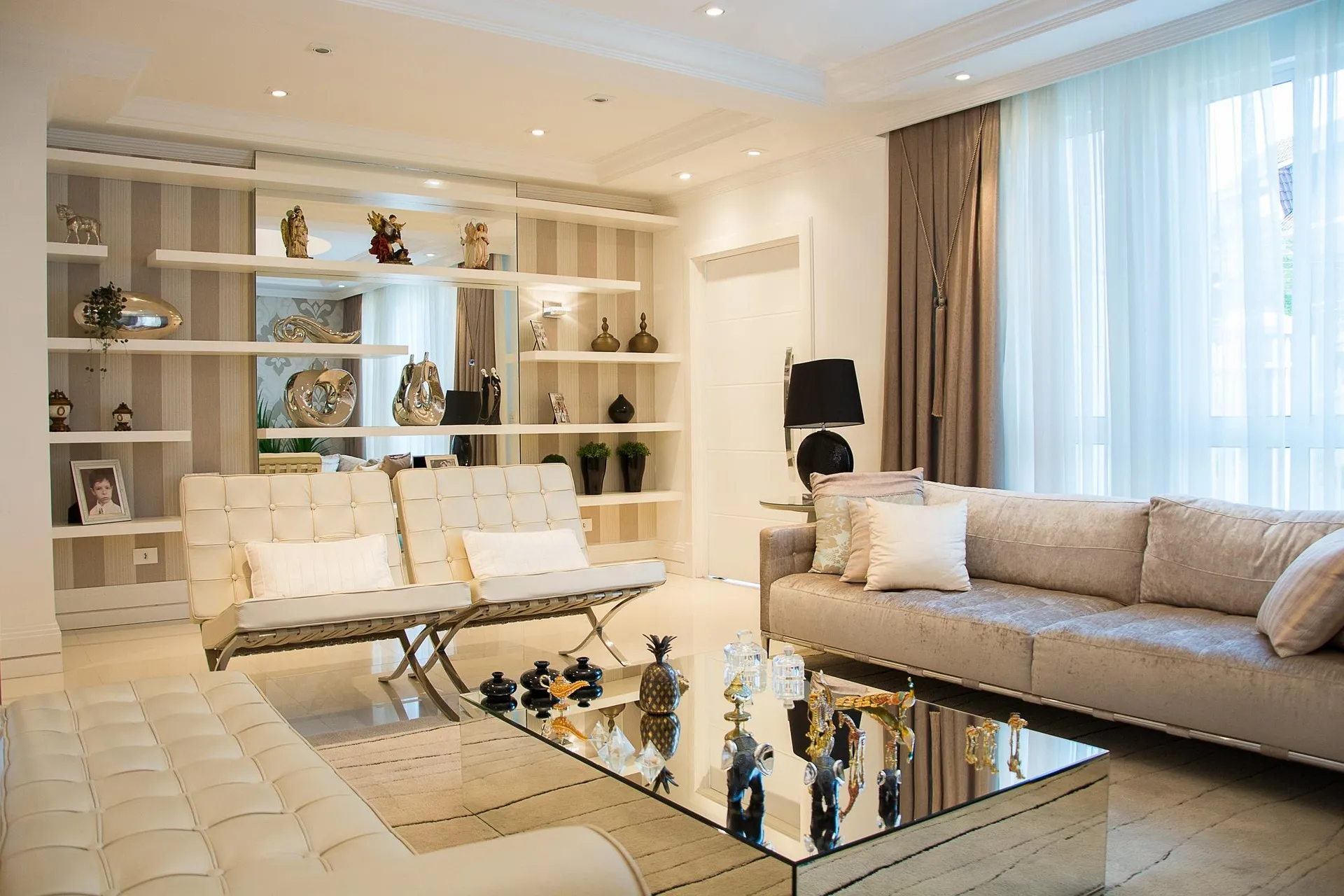

The living room is often the first space people notice when they enter a home. It is where families relax, guests gather, conversations happen and everyday life takes place. Because of this, a good living room should be more than just attractive—it should be comfortable, functional and suited to your lifestyle.
Modern living room design is increasingly focused on practical layouts, comfortable furniture, layered lighting, natural materials and carefully selected décor rather than filling the room with unnecessary elements. Current design inspiration also shows a growing preference for earthy colours, multifunctional furniture and more personalised spaces.
Whether you have a compact apartment in Pune, a larger family home in Lohegaon or a newly constructed property, the right planning can make a significant difference.
Here is a practical guide to designing a living room that looks beautiful while remaining comfortable and useful every day.
1. Start With the Living Room Layout
Before selecting furniture, decide how the room should function.
Start by considering:
- Room dimensions
- Door and window positions
- TV location
- Balcony access
- Main walking paths
- Natural light
- Existing architectural features
- Number of people using the room
The furniture arrangement should allow people to move around comfortably without constantly walking between or behind furniture.
A common mistake is buying a large sofa first and trying to fit everything else around it. Instead, create the layout first and then select furniture according to the available space.
A well-planned layout can make even a compact living room feel considerably more comfortable.
2. Select Furniture According to the Room Size
Furniture should be proportional to the room.
A large sectional sofa may look impressive in a showroom, but it can make a small apartment feel cramped.
For compact living rooms, consider:
- Compact sofas
- L-shaped seating
- Nesting tables
- Wall-mounted TV units
- Floating shelves
- Storage ottomans
- Slim console tables
For larger living rooms, you have more flexibility with:
- Sectional sofas
- Accent chairs
- Larger coffee tables
- Side tables
- Floor lamps
- Statement furniture
The goal is not to fill every available area. Leaving some negative space helps the room feel more open and organised.
Current design advice also emphasises the importance of furniture proportions and maintaining enough breathing room around furniture.
3. Create a Clear Focal Point
Every living room benefits from having a visual focal point.
Depending on the home, this could be:
- TV wall
- Feature wall
- Artwork
- Statement lighting
- Large window
- Architectural wall
- Decorative panel
In many Indian homes, the TV wall becomes the main focal point.
A modern TV unit doesn't necessarily need to cover the entire wall. A simpler combination of a floating cabinet, textured panel and carefully placed lighting can create a cleaner appearance.
Avoid creating several competing focal points. If the TV wall is visually strong, keep other walls relatively subtle.
4. Design a Functional TV Unit
The TV unit is one of the most important elements in many modern living rooms.
However, it should do more than hold the television.
A well-planned TV unit can provide:
- Concealed storage
- Display shelves
- Cable management
- Decorative lighting
- Bookshelf space
- Space for media equipment
For smaller homes, floating TV units can create a lighter appearance by keeping some floor area visible.
You can also combine materials such as:
Wood + neutral laminate
Wood + textured wall
Stone-look finish + wood
Painted panel + warm lighting
The right combination depends on the overall interior style.
5. Use Layered Lighting
Lighting can completely change the mood of a living room.
Instead of depending on a single ceiling light, consider combining several types of lighting.
Ambient Lighting
Provides general illumination.
Examples include:
- Ceiling lights
- Recessed lights
- Cove lighting
Task Lighting
Useful for specific activities.
Examples:
- Reading lamps
- Floor lamps
- Table lamps
Accent Lighting
Used to highlight particular design elements.
Examples:
- Wall washers
- Spotlights
- LED strips
- Shelf lighting
Layered lighting gives you more flexibility. Bright lighting can be used when the room needs to be functional, while softer lighting can create a relaxed evening atmosphere.
Lighting is also frequently highlighted in current living-room design guidance as an important part of creating depth and atmosphere.
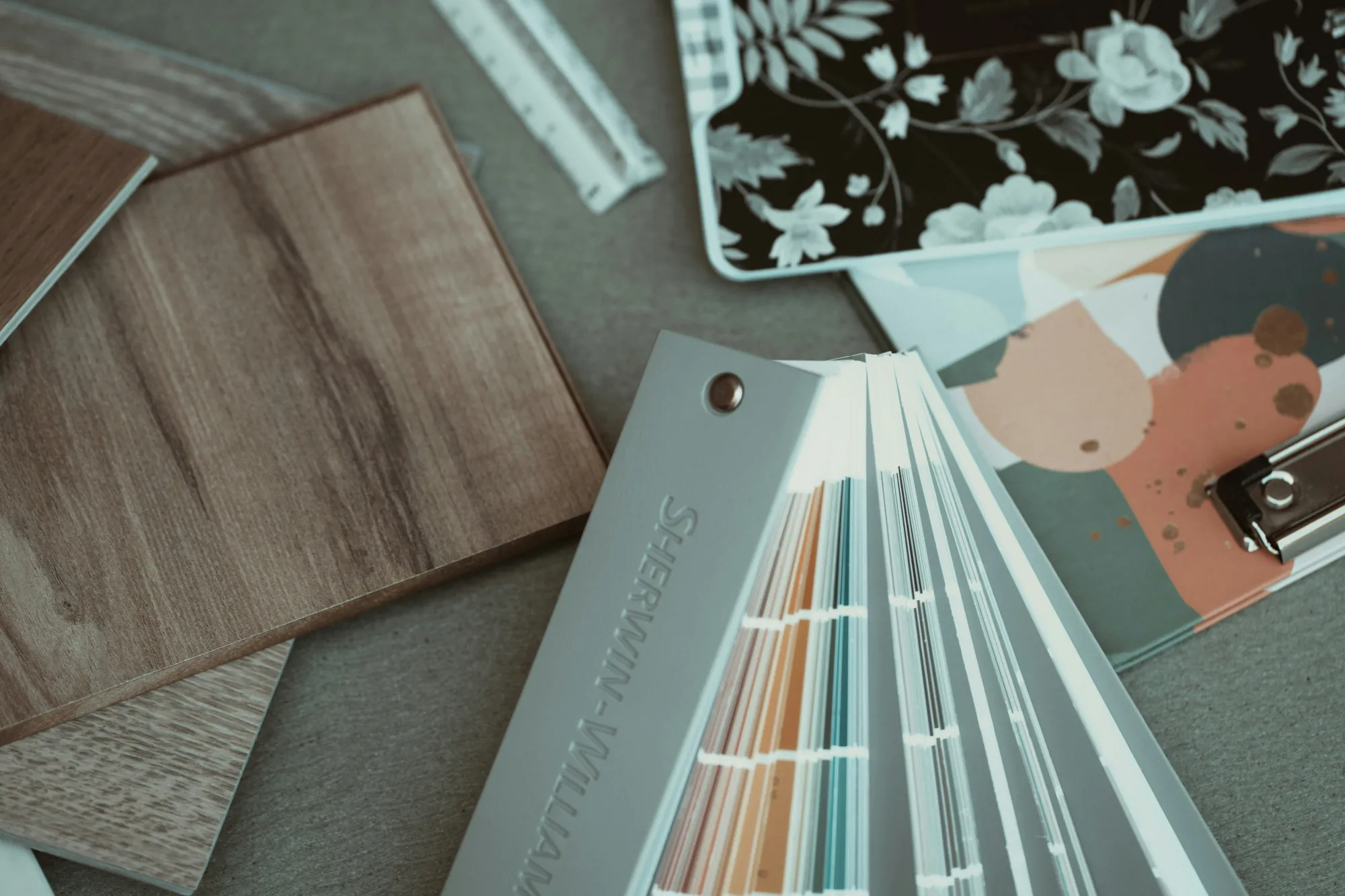
6. Choose a Balanced Colour Palette
The colour palette should complement the size, lighting and furniture of the room.
For a modern living room, popular combinations can include:
Warm White + Natural Wood
Creates a warm and timeless appearance.
Beige + Olive Green
Works well for an earthy, natural atmosphere.
White + Grey + Wood
A clean contemporary combination.
Greige + Black Accents
Creates a sophisticated modern appearance.
Cream + Terracotta
Adds warmth and personality.
You don't need to use strong colours everywhere.
A neutral base with carefully selected accent colours can often create a more sophisticated result.
7. Add Storage Without Making the Room Look Cluttered
Living rooms often accumulate everyday objects:
- Remote controls
- Books
- Toys
- Chargers
- Electronics
- Documents
- Decorative items
Without proper storage, these can quickly make the room look messy.
Consider incorporating:
- Closed cabinets
- Floating shelves
- TV unit storage
- Storage benches
- Side cabinets
- Built-in shelving
A combination of open and closed storage can work particularly well.
Use closed storage for everyday clutter and open shelves for selected decorative items.
This creates a cleaner appearance without removing personality from the room.
8. Use Wall Design Strategically
Walls provide an opportunity to add personality to the living room.
You can consider:
- Textured paint
- Wallpaper
- Wood panelling
- Fluted panels
- Decorative mouldings
- Artwork
- Mirrors
- Stone-look finishes
However, avoid treating every wall as a feature wall.
One carefully designed focal wall can often have more impact than covering the entire room with multiple patterns and textures.
If your TV wall already has a strong finish, the remaining walls can be kept simpler.
9. Select the Right Curtains and Soft Furnishings
Curtains, rugs and cushions may seem like small details, but they can significantly affect the final appearance.
For a cohesive living room, coordinate:
- Curtains
- Sofa fabric
- Cushions
- Rug
- Wall colours
- Wood tones
Floor-length curtains can visually enhance the height of a room.
For smaller living rooms, lighter curtains can help maintain an airy appearance.
Rugs can also help define the seating area and visually connect the sofa, coffee table and accent chairs.
10. Bring in Natural Elements
Natural materials can make a living room feel warmer and more inviting.
Consider incorporating:
- Indoor plants
- Natural wood
- Cane or rattan
- Stone textures
- Cotton fabrics
- Linen
- Earthy colours
You don't need to turn your living room into a completely natural-themed space.
Even a few carefully selected natural elements can soften a modern interior.
11. Don't Forget Electrical Planning
Electrical planning should happen before the final interior execution.
Think about the location of:
- TV socket
- Internet router
- Charging points
- Floor lamps
- Wall lights
- Decorative lighting
- Speakers
- Air conditioner
- Smart home devices
Cable management is particularly important around the TV unit.
Planning these requirements early helps prevent visible wires and last-minute electrical modifications.
If you are undertaking a complete interior project, these details can be coordinated as part of professional interior design and execution services. Explore Ekratna Interiors & Constructions' services.
12. Design According to Your Lifestyle
There is no single perfect living room design.
A family that frequently entertains guests may need more seating.
A couple living in a compact apartment may prioritise open floor space.
Someone who works from home may need a small work zone.
A family with children may need durable materials and easily accessible storage.
Ask yourself:
- How do we use the living room?
- Do we watch TV frequently?
- Do we entertain guests?
- Do children play here?
- Do we need additional storage?
- Do we need a work-from-home corner?
- Do we prefer minimal or decorative interiors?
The answers should influence the design.
A beautiful room that doesn't suit your daily routine isn't successful interior design.
13. Make Small Living Rooms Feel More Spacious
If you have a compact living room, smart planning becomes even more important.
Try:
Use Lighter Colours
Light walls and flooring can create a more open visual appearance.
Choose Proportionate Furniture
Avoid oversized sofas and unnecessarily large tables.
Use Vertical Storage
Wall-mounted shelves and cabinets can make better use of vertical space.
Keep the Floor Visible
Floating furniture can create a lighter appearance.
Use Mirrors Carefully
A strategically positioned mirror can help reflect light and create a greater sense of openness.
Avoid Excessive Décor
Too many decorative objects can make a compact room feel crowded.
These principles are especially useful for apartment interiors where every square foot matters.
14. Create a Cohesive Look With the Rest of the Home
The living room shouldn't feel disconnected from the rest of your house.
For example, if your kitchen uses warm wood and beige tones, similar elements can be subtly introduced into the living room.
You can maintain consistency through:
- Wood finishes
- Colour palette
- Metal finishes
- Flooring
- Lighting style
- Furniture design
The rooms don't need to look identical.
Instead, they should feel like different parts of the same home.
15. Don't Overdecorate
Modern living rooms increasingly favour a more intentional approach to décor.
Instead of placing something on every shelf, choose a smaller number of meaningful pieces.
Consider:
- Family photographs
- Artwork
- Indoor plants
- Books
- Sculptural objects
- Decorative vases
- Travel souvenirs
A curated room often feels more sophisticated than a room filled with accessories.
Recent interior design commentary also highlights the importance of editing décor and preserving some negative space so that a living room feels curated rather than cluttered.
Modern Living Room Design Ideas for Pune Homes
Pune homes can range from compact apartments to spacious independent houses, so the design approach should be based on the actual property rather than following one standard template.
For homeowners searching for living room interiors in Pune, practical considerations such as room dimensions, natural light, storage and lifestyle should come before simply copying an online design.
Homes in Lohegaon and other growing residential areas may also have different apartment layouts and space constraints.
A good interior designer in Pune should therefore customise the design rather than applying the same layout to every home.
How to Plan Your Living Room Interior Step by Step
A simple process can make the project easier.
Step 1: Measure the Room
Record dimensions, doors, windows and architectural elements.
Step 2: Understand Your Requirements
Determine seating, storage, entertainment and lifestyle needs.
Step 3: Create the Furniture Layout
Decide the position of the sofa, TV unit, coffee table and other furniture.
Step 4: Plan Electrical Points
Determine sockets, switches, lighting and entertainment requirements.
Step 5: Select Materials and Colours
Coordinate flooring, walls, furniture, finishes and décor.
Step 6: Finalise the Design
Use 2D planning and 3D visualisation where appropriate to understand how the final space may look.
Step 7: Execute the Design
Coordinate carpentry, electrical work, ceiling, painting, furniture and finishing.
For homeowners looking for an integrated approach, Ekratna Interiors & Constructions provides interior design and related execution services. You can learn more about the company's approach and services.
Frequently Asked Questions
What is the best layout for a living room?
The best layout depends on the room's size, shape, entrances, windows and how the family uses the space. The seating should allow comfortable conversation and clear movement through the room.
How can I make a small living room look bigger?
Use appropriately sized furniture, lighter colours, good lighting, smart storage and maintain enough visible floor space. Avoid overcrowding the room with unnecessary furniture.
What should be included in a modern living room?
A modern living room can include comfortable seating, a functional TV unit, storage, layered lighting, a coffee table, curtains, selected décor and a coordinated colour palette.
Is a TV unit necessary in a living room?
Not necessarily. However, if you have a television, a properly designed TV wall can provide cable management, storage and a visual focal point.
How important is lighting in living room design?
Lighting is extremely important because it affects both functionality and atmosphere. Combining ambient, task and accent lighting gives you greater flexibility.
What colours work well for modern living rooms?
Warm whites, beige, greige, light grey, natural wood tones and selected earthy or muted accent colours can work well in modern interiors.
How much furniture should a living room have?
Only as much as the room and lifestyle require. Every piece should serve a purpose while leaving enough space for comfortable movement.
Should the living room match the rest of the house?
It doesn't have to be identical, but using a consistent colour palette, materials or design language can create better visual continuity throughout the home.
Final Thoughts
A successful living room combines style, comfort and functionality.
Instead of starting with furniture or décor, begin with the layout. Understand how your family uses the room, plan the seating and storage, coordinate lighting and electrical points, and then select colours, materials and decorative elements.
Whether you're designing a compact apartment or a spacious home, thoughtful planning can make the living room feel more comfortable and personalised.
If you're planning living room interior design in Pune or Lohegaon, Ekratna Interiors & Constructions can help with planning, design, materials and execution as part of a complete interior solution.
You can learn more about Ekratna Interiors & Constructions or contact the team about your interior project.
Design the space around the way you live—and your living room will feel like home.


















Sign in to leave a comment.