
Mastering how to fix low oil pressure in a diesel generator is one of the most critical mechanical competencies for plant operators, facility managers, and backup power technicians. Engine oil is the lifeblood of any heavy-duty industrial or commercial genset, forming an ultra-thin hydraulic barrier that keeps fast-moving steel components from shredding themselves apart under immense heat and load. When the oil pressure drops below safe engineering thresholds, the generator's control system will typically trigger an immediate emergency shutdown to prevent catastrophic friction welding, cracked cylinder blocks, or seized crankshafts.
Yet, simply resetting the fault code and restarting the machine without investigating the underlying cause is a dangerous gamble that frequently leads to catastrophic engine failure. Understanding the intricate mechanical web of oil pumps, relief valves, galleries, and viscosity dynamics allows maintenance teams to isolate root causes accurately and restore healthy lubrication before permanent damage occurs. This comprehensive technical guide explores the systematic diagnostic pathways and corrective measures required to resolve low oil pressure events and keep your emergency power infrastructure running smoothly.

The Anatomy of Engine Lubrication and Pressure Mechanics
To effectively troubleshoot a lubrication fault, one must first appreciate how oil pressure is actually generated and maintained within a modern diesel generator. Engine oil is housed in the oil pan or sump, from where a mechanically driven gear or rotor pump draws the fluid through a coarse pickup screen. The pump forces this oil through a high-efficiency filtration canister before sending it under high pressure into the main oil galleries running the length of the engine block. From these primary galleries, branch passages route oil to the crankshaft main bearings, connecting rod bearings, camshaft journals, and valve train components, while piston cooling jets spray oil against the underside of the pistons to manage thermal stress.
Oil pressure itself is not merely a measure of how much oil is inside the engine, but rather a measure of the hydraulic resistance encountered as the pump forces fluid through tightly engineered clearances. If those clearances become too wide due to normal mechanical wear, or if the fluid pathways become restricted or diluted, the pump can no longer maintain backpressure. Consequently, diagnosing a low pressure warning requires looking beyond a simple dipstick check to evaluate the mechanical health, thermal state, and fluid dynamics of the entire lubrication circuit.
Step-by-Step Diagnostic Approach: From Simple Checks to Deep Inspection
When a low oil pressure alarm sounds, the diagnostic process must always begin with the most basic physical verifications before moving into complex mechanical disassembly. The initial step is checking the physical oil level using the dipstick, ensuring that the machine is resting on a level surface and that the engine has been turned off long enough for oil to drain back into the sump. An unexpectedly low fluid level points toward either excessive oil consumption, past leakage, or an external breach, whereas an overly full crankcase that smells strongly of diesel fuel indicates a dangerous dilution issue caused by leaking fuel injectors or a failing fuel lift pump.
If the oil level is correct, the next critical step is verifying the accuracy of the sensor and gauge circuit itself. Electronic pressure senders and analog mechanical switches are subjected to constant engine vibration and thermal cycling, making them prone to internal calibration drift, wiring corrosion, or total electrical failure. Maintenance technicians should temporarily install a calibrated mechanical test gauge directly into the main oil gallery port to cross-reference the dashboard reading. If the physical mechanical gauge shows healthy oil pressure while the digital panel signals a fault, the issue lies within the sensor wiring harness or the control module rather than the engine's internal mechanics.
Corrective Actions for Common Oil Pressure Failures
Once sensor accuracy is confirmed and actual low pressure is verified, the corrective roadmap depends entirely on what mechanical subsystem is failing to maintain hydraulic integrity. If the oil filter is severely clogged due to deferred maintenance or poor filtration quality, the internal bypass valve may stick open, starving the main galleries of clean pressurized fluid. Replacing the primary oil filters and fresh oil fill often resolves sudden pressure drops, provided the element was simply saturated with contaminants from a heavy-duty operational cycle.
When changing filters and oil fails to restore pressure, attention must shift toward the oil pump and the pressure relief valve. The oil pump's internal gears or rotors can suffer from scoring and excessive internal clearance over thousands of hours of operation, severely reducing its volumetric efficiency. Similarly, if the pressure relief valve—designed to vent excess pressure to prevent gasket blowouts—becomes jammed open by debris, varnish, or a weakened spring, the entire output of the pump will bleed back into the sump prematurely. Inspecting, cleaning, or rebuilding these internal components requires careful mechanical skill, precision measurement tools, and strict cleanliness to avoid introducing new contaminants into the block.
Thermal Dilution, Fuel Contamination, and Viscosity Collapse
An often-overlooked culprit behind persistent low oil pressure warnings is severe thermal breakdown or chemical dilution of the lubricating oil itself. Diesel engine oil relies on specific multi-grade viscosity indexes to maintain its protective film thickness across extreme temperature swings. If a generator is subjected to continuous over-temperature operation, or if the cooling system fails to manage jacket water heat properly, the oil can thin out drastically, causing pressure values to plummet during low-idle or hot-load conditions.
Furthermore, fuel dilution remains a silent destroyer of heavy-duty generator engines. When unburnt diesel fuel leaks past worn piston rings or faulty injector seals during extended light-load running, it washes down the cylinder walls and pools in the crankcase, steadily diluting the engine oil. This chemical mixture ruins the fluid's shear strength and drastically lowers its viscosity, making it incapable of maintaining the hydraulic pressure required to support heavy rotating assemblies. Resolving this requires fixing the underlying fuel system leak, draining the compromised lubricant, flushing the gallery system, and refilling with fresh, manufacturer-approved oil formulation.
Environmental Integration, Emissions, and Regulatory Compliance
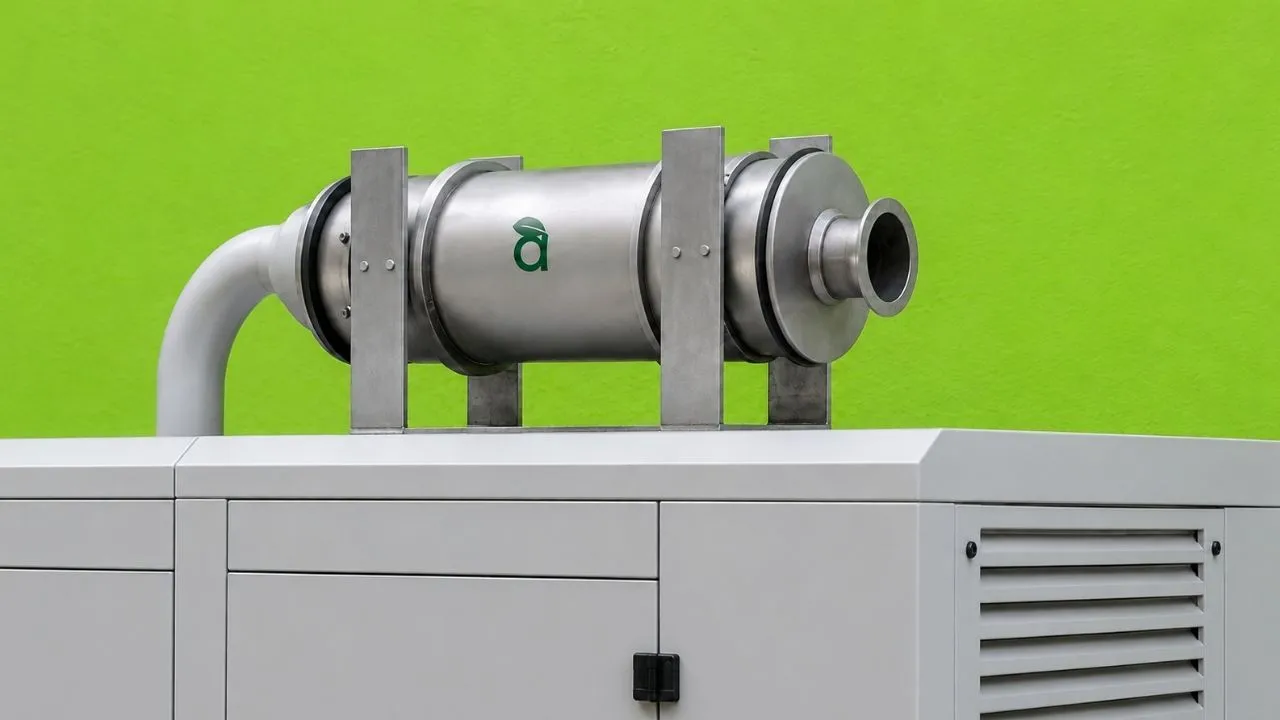
While maintaining internal engine health keeps the mechanical assembly running reliably, modern industrial operators must also account for the external environmental footprint of their generator sets. Hard-working diesel engines experiencing internal lubrication strain or fuel dilution often produce elevated levels of unburnt hydrocarbons and particulate emissions as combustion efficiency wavers. Facilities aiming to upgrade their emissions profile often look toward advanced exhaust retrofits, where evaluating a certified RECD price for DG set installations becomes part of a broader plant modernization strategy.
However, regulatory compliance is a complex field that demands careful verification. Facility managers must avoid relying on generalized claims and instead check current official mandates directly with the Central Pollution Control Board (CPCB) or their respective regional pollution control authorities. Ensuring that both internal mechanical health and external exhaust compliance meet statutory standards protects facility operators from unexpected legal penalties while guaranteeing sustainable, long-term standby power readiness.
Conclusion
Resolving low oil pressure challenges in a diesel generator demands a methodical, disciplined approach that bridges basic mechanical checks with advanced diagnostic insights. By understanding how hydraulic resistance, fluid viscosity, and internal component wear interact within the lubrication circuit, maintenance teams can transition from reactive emergency troubleshooting to predictable, data-driven plant care. Protecting your generator's internal components ensures that when emergency backup power is demanded, the machine will execute flawlessly, safeguarding your facility from costly downtime and equipment failure.
Frequently Asked Questions
What are the primary symptoms of low oil pressure in a generator?
The most common symptoms include an active low oil pressure warning light or digital fault code on the control panel, an automatic engine shutdown initiated by safety sensors, audible ticking or knocking noises from the valve train and bearings due to metal-on-metal friction, and elevated operating temperatures.
Can I run my generator if the low oil pressure light flickers occasionally?
No, running a generator with a flickering or intermittent low oil pressure warning is extremely hazardous. Even momentary drops in lubrication pressure can strip the protective oil film from high-stress bearing surfaces, leading to rapid scoring, localized overheating, and eventual catastrophic engine seizure.
How often should I change the oil and filters to prevent pressure issues?
Oil and filter replacement intervals depend on manufacturer specifications, fuel quality, and operational duty cycles, but typically range from every 250 to 500 hours of runtime, or at least once annually for standby units that see infrequent use.
What should I do if changing the oil and filter does not fix the low pressure?
If fresh oil and new filters fail to resolve the issue, you should test the actual pressure using a mechanical test gauge, inspect the oil pump and pressure relief valve for wear or debris, check for internal bearing clearance degradation, and inspect the engine for fuel dilution of the crankcase oil.
Why does diesel fuel dilute engine oil, and how does it affect pressure?
Diesel fuel dilution occurs when unburnt fuel leaks past piston rings during incomplete combustion or extended idling. This fuel thins out the lubricating oil, drastically reducing its viscosity and hydrodynamic load-bearing capacity, which directly results in plummeting oil pressure readings.



























Sign in to leave a comment.