

Investing in commercial solar power can help businesses manage electricity expenses, improve energy efficiency, and support long-term sustainability goals. However, choosing the right installation partner is just as important as selecting the solar equipment itself. The right contractor can help you avoid costly delays, understand your return on investment, and build a system that meets your facility’s energy needs.
Before starting your project, here is how to evaluate commercial solar energy contractors and make an informed decision.
1. Check Industry Experience and Past Projects
Start by reviewing the contractor’s experience with commercial solar installations. Large warehouses, manufacturing facilities, office buildings, and retail properties have different energy requirements and structural considerations.
Ask potential contractors for examples of completed projects, client references, and experience with facilities similar to yours. Review their project portfolio to understand the types of systems they install and how they approach different site requirements.
JK Renewables provides commercial solar solutions designed to help businesses reduce operating expenses and explore long-term energy savings.
2. Review Technical Expertise and Installation Services
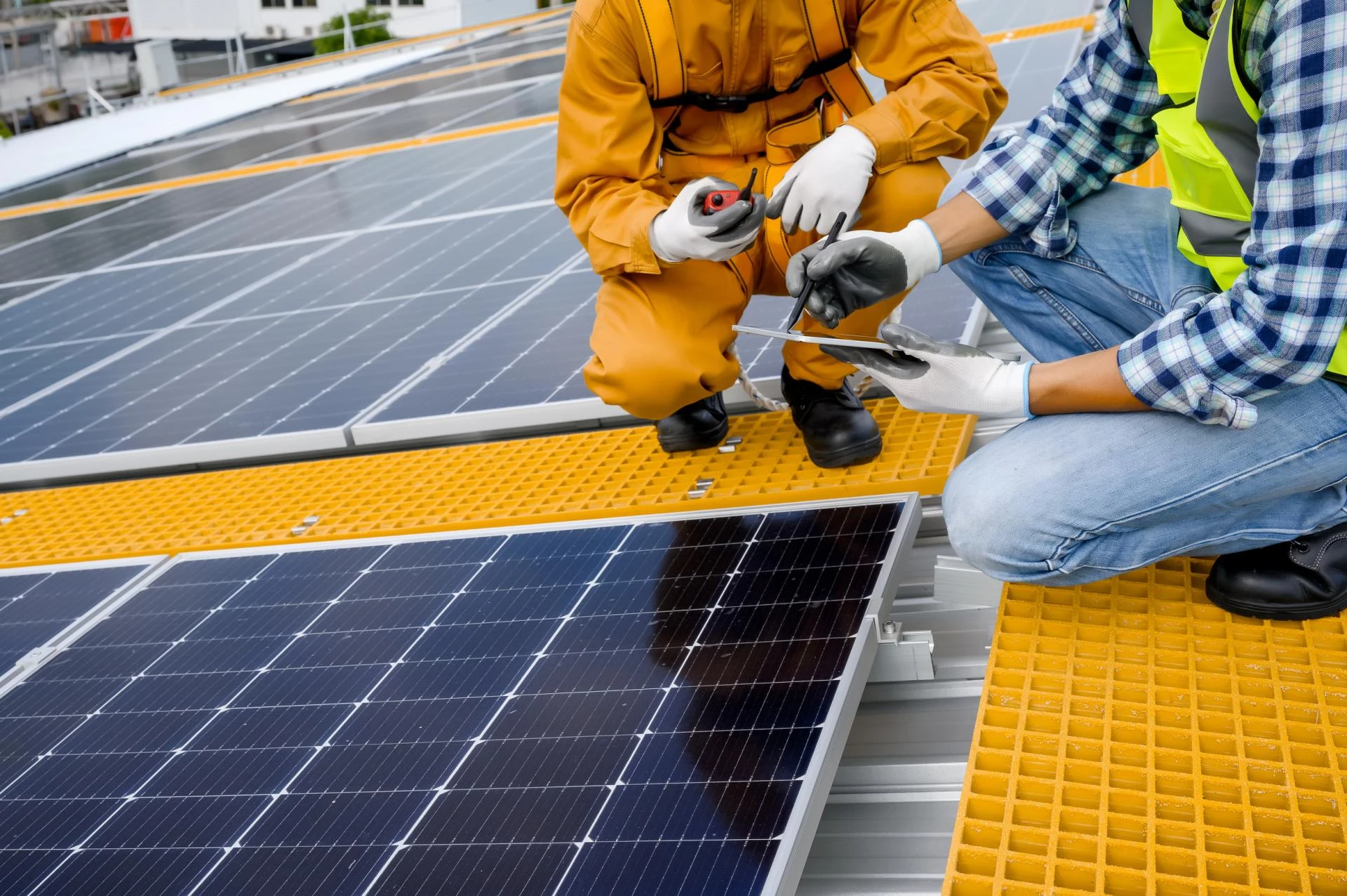
Professional commercial solar energy installation involves more than mounting panels on a roof. It requires site assessments, system design, electrical planning, permitting, utility coordination, and commissioning.
A qualified contractor should evaluate your roof condition or available land, electricity consumption, shading, electrical infrastructure, and future business expansion plans.
Ask whether the contractor manages the complete installation process or relies on multiple subcontractors. Clear responsibilities can make project coordination easier and help reduce unnecessary delays.
3. Compare Proposals and Financial Benefits
Do not select a contractor based on the lowest quotation alone. Compare proposals using the same criteria, including system capacity, equipment specifications, installation costs, estimated energy production, maintenance expenses, and projected savings.
Request a detailed financial analysis that explains the assumptions behind the estimated return on investment (ROI) and payback period.
Also, ask about available financing options, utility policies, and applicable tax incentives. Eligibility depends on current regulations and your business circumstances, so verify incentives with qualified tax professionals before making financial decisions.
4. Understand Equipment Quality and Warranty Coverage
Solar panels and inverters directly influence system performance and long-term reliability. Ask which manufacturers the contractor uses and whether the equipment suits your facility’s operating conditions.
Review product warranties, installation workmanship coverage, performance expectations, and the process for handling warranty claims.
You should also confirm whether monitoring, preventive maintenance, and technical support are available after installation. A clear operations and maintenance plan can help identify performance issues before they significantly affect energy production.
5. Verify Licensing, Safety, and Project Management
Before signing a contract, verify the contractor’s applicable licenses, insurance, safety procedures, and relevant certifications. Requirements vary by location, so confirm compliance with local building and electrical regulations.
Your agreement should clearly outline the project scope, payment schedule, estimated timeline, permitting responsibilities, utility interconnection requirements, and procedures for managing unexpected costs.
A reliable contractor should explain potential challenges honestly rather than promise guaranteed savings or unrealistic completion dates.
6. Choose a Contractor Focused on Long-Term Value
The best commercial solar partner considers your business goals, budget, energy consumption, and future needs. Evaluate communication, transparency, technical support, and the quality of the proposed solution before making your final decision.
JK Renewables offers commercial solar project evaluations, site design, and cost-benefit analysis to help businesses assess their solar opportunities. Requesting an evaluation can be a useful first step toward understanding whether solar is suitable for your property.
Frequently Asked Questions
How do I choose the best commercial solar energy contractor?
Compare relevant experience, licensing, project references, equipment quality, financial projections, warranties, and post-installation support. Request multiple detailed proposals before making a decision.
What should a commercial solar installation proposal include?
It should cover system capacity, equipment specifications, estimated energy production, project costs, installation timelines, permits, utility interconnection, warranties, and maintenance arrangements.
How long does commercial solar energy installation take?
The timeline depends on system size, site conditions, permitting, equipment availability, and utility approvals. Ask your contractor for a project-specific schedule that includes these stages.
Is commercial solar worth the investment?
Commercial solar may reduce electricity expenses and improve long-term energy cost planning. Its financial value depends on energy usage, installation costs, utility rates, financing, and available incentives.
Start Your Commercial Solar Project with Confidence
Selecting the right contractor is essential to building a dependable commercial solar system. By evaluating experience, technical capabilities, financial transparency, and ongoing support, you can make a more confident investment decision.
Contact JK Renewables to discuss your facility’s energy requirements and explore a commercial solar solution tailored to your business.





















Sign in to leave a comment.