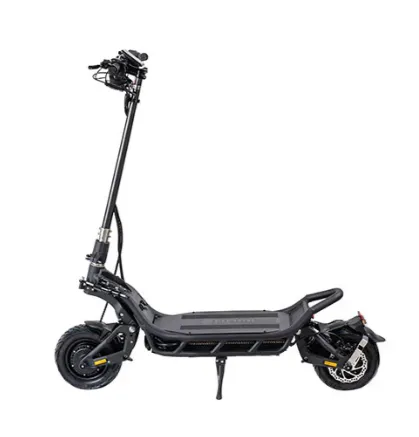

Range is one of the most heavily marketed specs in the electric scooter world, and it's also one of the most commonly misunderstood. Before spending several thousand dollars on a premium machine like the nami burn e max, it's worth understanding exactly how range figures are calculated, what actually affects them in the real world, and how to evaluate whether a scooter's advertised range will actually match your riding needs. Here's a complete guide to making sense of range claims before you buy.
Understand How Advertised Range Is Calculated
Most manufacturers advertise a maximum range figure based on close-to-ideal conditions: a moderate rider weight (often around 160 lbs), flat terrain, a steady low-to-moderate speed, and mild weather. The Burn-E3 MAX, for example, is rated for up to 100 miles of range under these kinds of ideal conditions, using its 72V 40Ah LG 21700 battery pack. That number is genuinely achievable, but it represents a best-case scenario rather than a guaranteed daily outcome. Understanding this distinction is the first step in evaluating whether a scooter's range claim will hold up for your specific riding situation.
Factor In Rider Weight
Heavier riders draw more power from the motor to maintain the same speed, which directly reduces range. If you weigh significantly more than the manufacturer's test weight, you should expect a noticeably lower real-world range than the advertised maximum, even on a well-built scooter with a large battery. This is one of the most overlooked factors when comparing range figures across different scooters, since two riders of different weights can get meaningfully different results from the exact same machine.
Account for Terrain and Elevation
Hills and inclines demand significantly more power than flat ground, which reduces range accordingly. If your regular commute includes hills, bridges, or elevation changes, you should plan around a lower range estimate than the advertised figure, since climbing draws far more current from the battery than cruising on level pavement. Riders who live in hilly areas should weigh this factor heavily when comparing scooters, since a scooter rated for 100 miles on flat ground might realistically deliver noticeably less on a hilly commute.
Consider Speed and Riding Style
Range and speed are directly linked riding at higher speeds consumes battery power much faster than cruising at a moderate pace. A scooter capable of 62 mph, like the Burn-E3 MAX, will see its range drop significantly if ridden consistently near its top speed rather than at a more efficient cruising speed. If you plan to frequently use higher speed settings, it's worth mentally discounting the advertised maximum range by a meaningful margin to set realistic expectations.
Don't Overlook Weather and Temperature
Cold weather is one of the most common factors that catches new scooter owners off guard. Lithium battery performance drops in colder temperatures, meaning winter range is often noticeably lower than the manufacturer's advertised figure, which is typically tested in mild conditions. If you plan to ride year-round in a climate with real winters, factor in a reduced range estimate for colder months rather than assuming consistent performance across all seasons.
Compare Battery Specs, Not Just Range Numbers
Rather than relying solely on the advertised range figure, it helps to compare the actual battery specifications behind that number. A scooter like the nami burn e max uses a 72V 40Ah battery pack built with quality LG 21700 cells, which is a meaningful indicator of genuine capacity rather than an inflated marketing claim. Comparing voltage and amp-hour ratings across different scooters gives you a more apples-to-apples way to judge real capacity, rather than trusting range numbers that may have been tested under very different conditions from one brand to the next.
Match Range to Your Actual Riding Needs
Before making a purchase, calculate roughly how far you'll realistically ride in a typical day, including any hills, higher-speed segments, or round trips you tend to make. If your daily riding rarely exceeds 20 or 30 miles, even a scooter with a more modest advertised range will likely serve you well with room to spare. If you're covering longer distances regularly or want the flexibility to skip frequent recharging, prioritizing a scooter with a genuinely large battery pack, like the Burn-E3 MAX's 40Ah system, gives you more real-world breathing room.
Buying With Confidence
Wyrd Ryds carries the Burn-E3 MAX and other premium scooter options, and can help walk you through realistic range expectations based on your specific commute, riding style, and local climate before you commit to a purchase.
Final Thoughts
Evaluating electric scooter range isn't just about comparing advertised maximum figures; it's about understanding the real-world factors that affect battery performance and matching those realities to your actual riding habits. A scooter like the Nami Burn-E Max can genuinely deliver strong range, but knowing how rider weight, terrain, speed, and temperature affect that number will help you buy with realistic expectations rather than relying on a best-case marketing claim. For riders considering Nami scooters, understanding these factors is essential for choosing a model that fits their everyday needs.
FAQ
Why does my scooter's actual range differ from the advertised figure?
Advertised range is typically based on ideal conditions like moderate rider weight, flat terrain, and mild weather, all of which affect real-world performance.
Does rider weight really affect scooter range?
Yes, heavier riders draw more power to maintain the same speed, which reduces overall range compared to the manufacturer's test weight.
How much does cold weather affect range?
Lithium batteries generally perform less efficiently in cold temperatures, often resulting in noticeably reduced range during winter months.
Should I trust advertised range numbers when comparing scooters?
Use them as a general reference, but compare underlying battery specs like voltage and amp-hours for a more accurate sense of true capacity.
How does speed affect range?
Riding at higher speeds consumes battery power faster, reducing overall range compared to cruising at a moderate pace.


























Sign in to leave a comment.