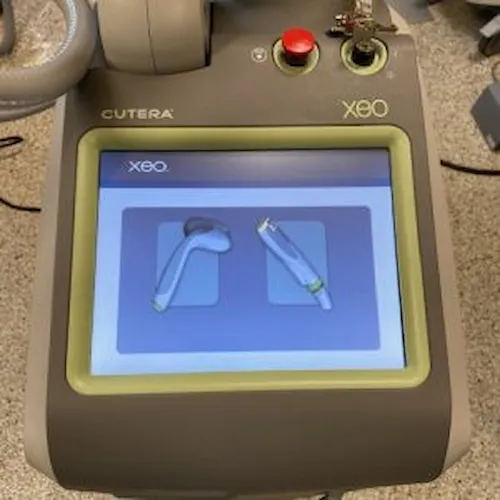

Choosing previously owned aesthetic equipment requires careful evaluation because the right system should match a practice's treatment needs, budget, available space, and staff capabilities. Before reviewing individual options, practice owners should determine which services they want the equipment to support and how frequently it is expected to be used. A careful evaluation of used aesthetic lasers for sale can help buyers focus on practical value rather than choosing equipment simply because it appears affordable. Defining these requirements first can make comparisons easier and reduce the possibility of purchasing equipment that does not fit the practice.
Identifying Treatment Applications
The intended treatment applications should be established before evaluating specific equipment options. Practices may need systems for hair reduction, skin rejuvenation, pigmentation concerns, resurfacing, vascular treatments, or other aesthetic services. Buyers should determine which applications are most relevant to their current patient demand and future service plans. Equipment with numerous capabilities is not automatically the best choice if those functions are rarely needed. Matching the system to realistic treatment requirements can improve utilization. A focused approach can also help buyers avoid paying for capabilities that provide little practical value to their particular practice.
Checking Overall Equipment Condition
The physical and functional condition of a used aesthetic laser should be reviewed carefully before purchase. Buyers should inspect the exterior for cracks, excessive wear, damaged panels, corrosion, or other visible concerns. Internal performance deserves even greater attention because cosmetic appearance alone cannot establish reliability. Buyers should ask whether the system has experienced recurring technical problems and whether all major functions currently operate properly. When possible, an inspection by a qualified technician can provide additional assurance. Careful condition assessment can help buyers identify potential repair requirements and determine whether the equipment's asking price reflects its actual condition.
Reviewing Age and Usage
Equipment age and usage history can provide useful information when evaluating a previously owned aesthetic laser. Buyers should ask when the system was manufactured, how long it was operated, and approximately how frequently it was used. Heavy usage can contribute to wear on components that experience repeated operation, while limited usage may indicate less overall exposure. However, usage alone should never determine the purchasing decision. Buyers should compare age and usage with maintenance records, current performance, and component condition. Looking at these factors together provides a more complete understanding of the equipment's potential remaining service life.
Examining Maintenance and Service Records
Maintenance documentation can provide valuable evidence about how the equipment was cared for throughout its previous ownership. Buyers should request available records related to inspections, repairs, calibration, component replacements, and routine servicing. Service history can help identify recurring technical concerns and show whether important maintenance was performed regularly. Missing documentation should prompt additional questions before the purchase is completed. Buyers should also compare the seller's description with the available records to identify inconsistencies. A well organized service history can make the equipment easier to evaluate and help the practice estimate possible maintenance requirements after acquisition.
Checking Component Condition
Individual components can have a significant effect on equipment performance and future ownership costs. Buyers should examine handpieces, applicators, treatment tips, cables, displays, controls, cooling components, and other important accessories. Frequently used components may experience more wear and could require replacement sooner than the main system. Buyers should ask whether major components have previously been replaced and whether suitable replacement parts remain available. A low purchase price may become less attractive if several expensive components require attention. Reviewing component condition helps buyers understand the equipment beyond its exterior appearance and provides a more realistic picture of potential future expenses.
Evaluating Performance Before Purchase
Performance should be evaluated whenever possible before completing a purchase. Buyers should request a demonstration showing that the equipment powers on, responds properly to controls, and operates without unexplained warnings or errors. Relevant functions should be tested rather than relying solely on photographs or verbal descriptions. If an in person inspection is not possible, buyers can request detailed demonstrations and recent testing documentation. Performance evaluation is particularly important because inconsistent output or unresolved technical problems can affect treatment operations. A thorough demonstration can provide useful evidence about current functionality and help buyers identify concerns before committing financially.
Considering Output Consistency
Consistent equipment output can be important for predictable operation and treatment performance. Buyers should ask whether appropriate testing has been performed and whether recent service documentation is available. Any unusual fluctuations, warning messages, or operational inconsistencies should be investigated before purchase. Buyers should not assume that a system is functioning properly simply because it powers on successfully. A professional assessment can provide more useful information about operating condition. Evaluating consistency can also help practices anticipate whether additional servicing may be necessary before the equipment becomes part of their regular treatment workflow.
Reviewing Included Accessories
Accessories should be included in the overall evaluation because they can affect the usefulness and value of a used aesthetic laser. Buyers should request a complete inventory of included handpieces, applicators, treatment tips, cables, foot controls, protective accessories, manuals, and other components. Each item should be checked for condition and compatibility with the main system. Missing or damaged accessories may create additional expenses after purchase. Buyers should therefore confirm exactly what is included before negotiating the final price. A complete accessory review can prevent misunderstandings and help determine whether the equipment package is ready for the practice's intended applications.
Verifying Parts and Consumables
Availability of replacement parts and consumables should be investigated before purchasing any previously owned aesthetic laser. Some systems may depend on specialized components that can become difficult or expensive to obtain as equipment ages. Buyers should ask whether necessary parts remain available and whether consumables can be sourced consistently. They should also consider the expected cost of commonly replaced items. Understanding these expenses can help practices calculate realistic ownership costs. Equipment that appears inexpensive initially may become less attractive if essential components are difficult to source or significantly increase ongoing operating expenses.
Calculating Total Ownership Costs
The purchase price is only one part of the financial commitment associated with used aesthetic laser equipment. Buyers should consider transportation, installation, inspection, maintenance, repairs, replacement components, training, consumables, and technical support. These expenses should be included when comparing different systems. A device with a lower asking price may ultimately cost more if it requires extensive preparation or frequent servicing. Buyers should therefore estimate both immediate and future expenses before making a final decision. Calculating total ownership costs can provide a clearer picture of whether the equipment is financially practical for the clinic.
Comparing Investment Value
Equipment value should be assessed according to expected usefulness rather than price alone. Buyers should compare the system's condition, treatment capabilities, service history, accessories, support options, and expected utilization against the total investment. A slightly more expensive system may provide stronger value if it has better documentation, stronger condition, or broader practical applications. Conversely, a cheaper system may be appropriate when its limitations are understood and manageable. Comparing value systematically can help buyers avoid focusing too heavily on discounts. The objective should be finding equipment that provides a sensible balance between cost, performance, reliability, and future usefulness.
Confirming Facility Compatibility
Before purchasing, buyers should confirm that the equipment can be installed and operated appropriately within the intended treatment area. Electrical requirements, available space, ventilation, cooling needs, access routes, and other facility considerations should be reviewed. Larger systems may require additional preparation before delivery and installation. Unexpected modifications can increase costs and delay implementation. Buyers should therefore verify these requirements before finalizing a transaction. Confirming facility compatibility ensures that the equipment can be integrated into the practice without creating unnecessary operational challenges or unexpected installation expenses.
Considering Staff Training Needs
Staff capabilities should also be considered when evaluating used aesthetic laser equipment. Team members may require training to become familiar with the system's controls, operating procedures, maintenance requirements, and appropriate treatment protocols. Buyers should determine whether training resources are available and whether additional education will create extra costs. A system that staff cannot confidently operate may provide limited value even if the purchase price is attractive. Planning training before acquisition can support a smoother transition. It can also help practices prepare staff for responsible equipment operation and reduce unnecessary delays when introducing the system into daily services.
Evaluating Technical Support
Technical support can significantly influence the long term usefulness of previously owned aesthetic equipment. Buyers should ask whether qualified technicians are available for installation, troubleshooting, maintenance, and repairs. Response times, service availability, replacement parts, and support arrangements should be discussed before purchase. A system without dependable technical assistance may become difficult to maintain when problems occur. Buyers should understand who will handle service requirements and whether support is available in their area. Evaluating technical support as part of the purchasing decision can reduce uncertainty and help practices plan more effectively for future equipment needs.
Reviewing Warranty Options
Warranty coverage should be reviewed carefully when evaluating used aesthetic laser equipment. Buyers should determine whether the equipment includes any warranty and identify exactly what the coverage applies to. Important details may include duration, labor coverage, component coverage, exclusions, and procedures for requesting service. Buyers should request written terms rather than relying on informal assurances. If no warranty is included, the practice should consider how potential repair costs will be handled. Understanding warranty arrangements can help buyers compare equipment options more accurately and determine whether additional protection or service planning may be appropriate.
Verifying Documentation and Ownership
Documentation should be reviewed carefully before the purchase is finalized. Buyers should verify equipment identification details, service records, manuals, specifications, accessory lists, and available ownership documentation. The information should correspond with the actual system being offered. Buyers should also confirm that the seller has the appropriate authority to transfer ownership and that no unresolved ownership issues affect the transaction. Clear documentation can support future servicing and record keeping. Reviewing these details before payment can reduce uncertainty and help ensure that the equipment transfer is handled in an organized and transparent manner.
Making the Final Evaluation
A final evaluation should bring together every important factor reviewed during the buying process. Buyers should compare condition, age, usage, maintenance history, performance, components, accessories, parts availability, facility requirements, staff training, support, warranty coverage, and total ownership costs. No single factor should determine the decision by itself. A structured comparison can reveal whether the equipment genuinely fits the practice's requirements. Buyers should also take time to address unanswered questions before signing an agreement. Careful final evaluation can reduce the possibility of unexpected expenses and support greater confidence in the purchasing decision.
Conclusion
Evaluating used aesthetic laser equipment requires more than comparing purchase prices or examining photographs. Practice owners should carefully review condition, age, usage history, maintenance records, component quality, performance, accessories, parts availability, total ownership costs, facility compatibility, training, technical support, warranty options, and documentation. A structured evaluation can help identify potential concerns before they become costly problems. Buyers should prioritize equipment that fits their treatment needs and can be supported over the long term. With careful planning and informed evaluation, MEDPRO, INC. can provide useful guidance for practices seeking to make responsible decisions when purchasing previously owned aesthetic laser equipment.
















Sign in to leave a comment.