

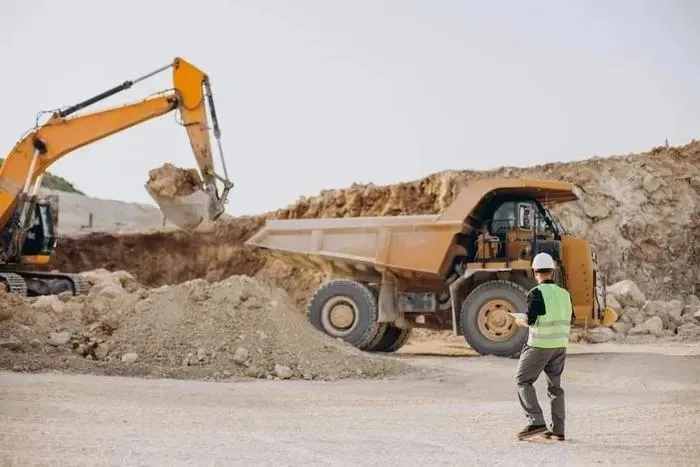
Construction businesses depend on reliable machinery to complete excavation, grading, material handling, landscaping, demolition, and site preparation efficiently. Choosing the right supplier can influence equipment availability, maintenance planning, project schedules, and operating costs. A dependable construction equipment supplier should offer more than machines for sale. Contractors often need access to rentals, replacement parts, technical guidance, maintenance, and repair support throughout the equipment lifecycle. Before selecting a supplier, businesses should evaluate product quality, equipment variety, service capabilities, parts availability, pricing, customer support, and industry knowledge to establish a practical relationship that supports long term operational requirements.
Understanding Business Equipment Requirements
Every construction business has different machinery requirements based on the projects it completes and the environments where equipment operates. A contractor working on residential developments may need compact excavators, skid steers, and loaders, while larger commercial projects can require heavier excavators, wheel loaders, and specialized attachments. Before approaching a supplier, businesses should identify the tasks machines must perform, expected operating hours, worksite conditions, transportation needs, and available storage. This preparation allows contractors to communicate their requirements clearly and makes it easier to compare suppliers according to their ability to provide suitable equipment for specific applications.
Identifying Required Machine Types
Equipment selection should begin with the functions a machine must perform. Excavators can support digging and trenching, loaders can handle materials, and compact machines can provide maneuverability where workspace is limited. Attachments can further expand the capabilities of many machines, allowing one unit to perform several tasks. Contractors should consider operating weight, dimensions, lifting capacity, digging depth, hydraulic performance, and attachment compatibility when evaluating equipment. A supplier with a broad inventory can provide multiple choices and help businesses compare machines according to project demands, expected utilization, jobsite limitations, and transportation requirements.
Evaluating Equipment Quality
Equipment quality is an important consideration because construction machinery frequently operates under demanding conditions. Contractors should inspect machines carefully and review available information about operating hours, maintenance history, previous use, and overall condition. For new equipment, businesses can examine specifications, available configurations, warranty coverage, and manufacturer recommendations. For used machinery, attention should be given to hydraulic systems, engines, undercarriage components, tires or tracks, electrical systems, and structural condition. A dependable supplier should provide transparent information about equipment condition and help customers understand maintenance considerations before completing a purchase or rental agreement.
Comparing New and Used Equipment
New and used equipment can serve different business needs depending on budget, utilization, and project requirements. New machinery may provide current technology, updated controls, manufacturer support, and warranty coverage. Properly maintained used equipment can offer another option for businesses seeking lower initial investment or additional machines for occasional applications. Contractors considering used machinery should evaluate maintenance records and inspect important components before purchasing. Comparing both options according to total operating costs, expected service requirements, productivity, and projected utilization can help businesses determine which equipment type aligns with their financial and operational plans.
Reviewing Equipment Availability
Equipment availability can become important when construction schedules are tight and machinery is needed quickly. Contractors should determine whether a supplier maintains an inventory that matches common project requirements and whether special equipment can be sourced when necessary. Availability should also be considered for attachments, replacement units, and rental machinery. Businesses can ask about current inventory and expected delivery timelines before making project commitments. A supplier with organized inventory information can help contractors plan equipment acquisition more effectively. This can be particularly useful when businesses need several machines for the same project or require additional equipment during periods of increased workload.
Considering Rental Solutions
Equipment rentals can provide flexibility when contractors need machinery temporarily. Businesses may rent equipment for seasonal projects, short term assignments, specialized applications, emergency replacements, or periods of unusually high demand. When evaluating rental services, contractors should examine rental duration, equipment condition, transportation, maintenance responsibilities, operating requirements, and replacement procedures. The rental machine should also match the project's technical requirements. A dependable supplier can explain available options and help businesses select equipment according to expected workload and jobsite conditions. Rental solutions can allow contractors to access necessary machinery without committing to permanent ownership for every application.
Assessing Service and Maintenance Support
Construction equipment requires routine maintenance to remain productive and reliable. Regular inspections, fluid checks, filter replacement, lubrication, hydraulic inspections, and other scheduled tasks can help identify developing issues. Contractors should determine whether a supplier provides professional maintenance and repair support or can connect customers with qualified technicians. Service availability may become particularly important when equipment experiences an unexpected issue during an active project. Businesses should ask about service scheduling, technician experience, diagnostic capabilities, response procedures, and maintenance programs. Understanding service support before purchasing equipment can help contractors plan ownership responsibilities and reduce uncertainty when machinery requires attention.
Understanding Preventive Maintenance
Preventive maintenance focuses on addressing routine service requirements before equipment problems become more disruptive. Contractors can establish maintenance schedules based on operating hours, manufacturer recommendations, machine applications, and worksite conditions. A supplier with technical knowledge can help businesses understand which inspections and service tasks are appropriate for different machines. Maintenance records should also be organized so contractors can monitor completed work and identify recurring issues. Consistent preventive maintenance can support equipment reliability and help businesses plan service expenses more effectively. It can also provide useful documentation when evaluating equipment condition, resale opportunities, or future replacement requirements.
Checking Parts Availability
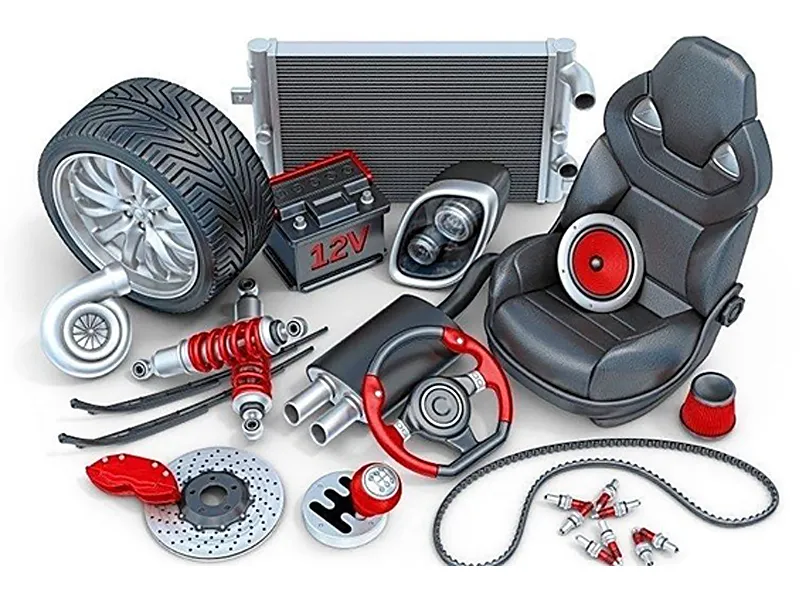
Replacement parts are an essential component of equipment ownership and maintenance. Construction machines contain numerous components that may eventually require replacement because of normal wear or operating conditions. Contractors should determine whether a supplier can provide appropriate filters, belts, hydraulic components, electrical parts, undercarriage components, seals, and other service items. Fast access to commonly required parts can help technicians complete maintenance and repairs more efficiently. Businesses should also ask whether the supplier can identify specialized components using machine information. Strong parts support can simplify maintenance planning and help reduce unnecessary equipment interruptions caused by unavailable or difficult to source components.
Considering Component Compatibility
The correct replacement component should be compatible with the specific machine and its operating system. Contractors should provide accurate equipment information when requesting parts, including model details and relevant identification numbers when available. A knowledgeable supplier can help verify compatibility before an order is placed. Properly matched components can support system performance and reduce complications during installation. Contractors should also follow manufacturer recommendations regarding replacement parts and maintenance procedures. Careful parts selection is especially important for hydraulic systems, engines, electrical components, and other critical machinery systems where incorrect components could contribute to operational problems.
Examining Technical Expertise
A supplier's technical knowledge can provide value beyond equipment sales. Contractors frequently need information about machine specifications, attachment compatibility, operating practices, maintenance intervals, and application suitability. Experienced equipment professionals can explain technical details in ways that relate directly to construction tasks. This guidance can help businesses compare different machines according to productivity, maneuverability, capacity, and worksite requirements. Technical support may also remain useful after purchase when contractors need assistance with service schedules or equipment questions. Businesses should therefore evaluate whether a supplier has knowledgeable staff who understand construction machinery and the applications for which different equipment is designed.
Evaluating Manufacturer Support
Manufacturer relationships can influence equipment availability, warranty support, technical resources, and access to approved components. Contractors should determine which manufacturers a supplier represents and whether those product lines align with the machinery required for their operations. Established manufacturer relationships may provide access to current equipment models, technical documentation, training resources, warranty processes, and replacement components. Businesses can review the supplier's product affiliations and ask questions about manufacturer support before making a decision. Understanding these relationships provides contractors with additional information about how equipment may be supported throughout its expected service life.
Comparing Total Equipment Costs
Equipment costs extend beyond the initial purchase or rental price. Contractors should consider fuel consumption, maintenance, parts, repairs, transportation, storage, insurance, attachments, and eventual replacement requirements. Businesses can estimate expected annual usage and calculate anticipated operating expenses to create a more complete financial picture. A machine with a lower purchase price may have different maintenance or operating costs than another model. Comparing total ownership or operating costs helps contractors evaluate equipment according to long term business needs. Suppliers that provide clear pricing and equipment information can make this comparison easier and support more informed planning.
Considering Equipment Productivity
Productivity should also be considered when evaluating equipment costs. A machine that completes tasks efficiently may influence project scheduling, labor requirements, and overall equipment utilization. Contractors should consider cycle times, operating capacity, maneuverability, attachment options, and jobsite conditions when comparing equipment. Productivity expectations should be realistic and based on the intended application. A supplier can help explain how different equipment specifications may affect performance in specific environments. By considering productivity alongside purchase price and operating expenses, businesses can better understand how equipment may contribute to project efficiency and overall operational planning.
Reviewing Customer Service
Customer service can influence the overall equipment ownership experience. Contractors may require assistance with equipment selection, quotations, delivery arrangements, rental terms, warranty questions, parts identification, or service scheduling. A supplier that communicates clearly can help businesses manage these processes more effectively. Contractors should pay attention to how information is provided before completing a transaction. Clear explanations of pricing, equipment specifications, availability, and support procedures can reduce misunderstandings. Businesses should also determine how the supplier handles questions after a sale or rental. Ongoing communication can be valuable when equipment becomes an important part of daily construction operations.
Considering Local Accessibility
Accessibility can affect how conveniently contractors obtain machinery, parts, and service assistance. A supplier located within a practical service area may make equipment inspections, maintenance visits, parts collection, and service coordination easier. Businesses should consider delivery options and service coverage when evaluating suppliers. Contractors managing multiple projects may also benefit from understanding how equipment transportation is handled between jobsites. Local accessibility does not replace product quality or technical capability, but it can contribute to convenient equipment management. Evaluating these logistical factors helps businesses choose a supplier that fits both their machinery requirements and operational routines.
Building a Long Term Supplier Relationship
Construction companies often develop changing equipment requirements as their businesses grow. New projects may require different machines, additional attachments, rental equipment, specialized tools, or increased service support. A supplier capable of supporting multiple equipment needs can remain useful as those requirements change. Contractors should consider whether a potential supplier can provide equipment sales, rentals, parts, maintenance, repair assistance, and technical guidance over time. Establishing a dependable relationship can simplify future equipment decisions because businesses have an experienced resource familiar with their general requirements. Long term support can also make equipment planning more organized and predictable.
Making the Final Selection
Before choosing a supplier, contractors should compare equipment range, quality, availability, rental options, parts support, service capabilities, technical expertise, manufacturer relationships, customer service, accessibility, and total costs. Written quotations and equipment specifications can help businesses compare suppliers objectively. Contractors should also ask questions about warranty coverage, maintenance responsibilities, delivery arrangements, and future support. The most suitable supplier will depend on each business's individual equipment requirements and operating circumstances. Careful research allows contractors to establish expectations before committing to a supplier and can contribute to more organized equipment management throughout future construction projects.
Conclusion
Finding a dependable equipment supplier requires careful consideration of machinery quality, product selection, service capabilities, parts availability, rental solutions, technical knowledge, customer support, and long term assistance. Contractors should first understand their own equipment requirements before comparing suppliers and should consider both immediate project demands and future business growth. A supplier that provides comprehensive support can help businesses manage machinery more effectively throughout its useful life. For construction businesses seeking equipment, parts, rentals, and service solutions, Eagle Power & Equipment, Inc. can provide a resource for addressing diverse machinery requirements and supporting practical equipment decisions.























Sign in to leave a comment.