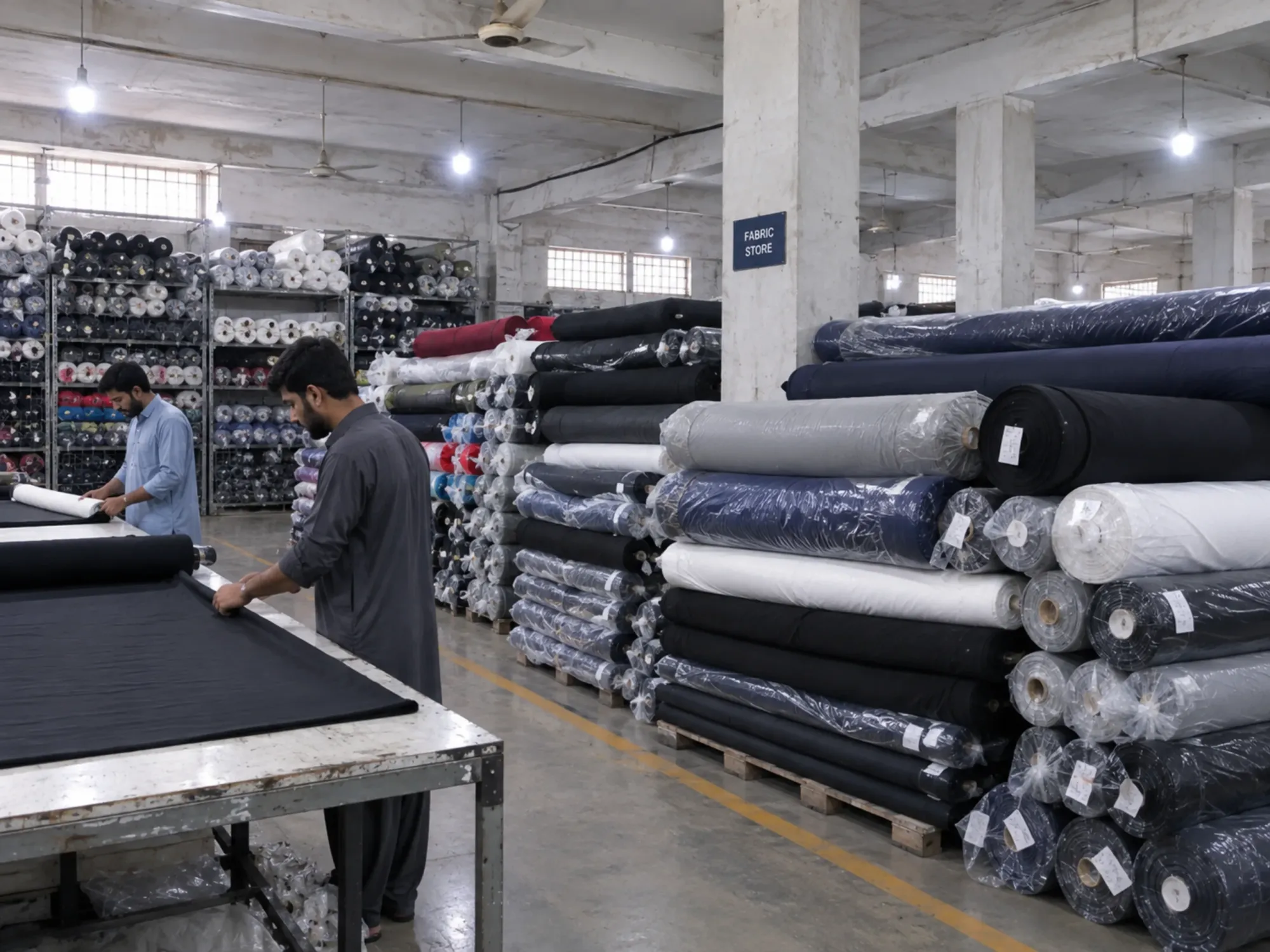

How to Find a Reliable Custom Sportswear Manufacturer for Your Brand
Finding the right custom sportswear manufacturer is one of the most important decisions for a growing clothing or sportswear brand. A manufacturer does much more than turn a design into a finished garment. The quality of materials, printing, stitching, sizing, production consistency, communication, and delivery can all affect how customers see your brand.
A good design can lose its value if the finished product has poor stitching, incorrect sizing, weak printing, or uncomfortable fabric. On the other hand, a reliable manufacturing partner can help a brand maintain consistent quality while producing custom apparel at a manageable cost.
Whether you are launching a new sportswear label, creating team uniforms, developing gym apparel, or expanding an existing clothing business, there are several things you should check before choosing a manufacturer.
1. Understand What You Need Before Contacting a Manufacturer
Before searching for a manufacturer, clearly define what you want to produce.
For example, your requirements might include:
- Custom football jerseys
- Gym and fitness wear
- Compression clothing
- Training shirts
- Tracksuits
- Hoodies
- Joggers
- Streetwear
- Team uniforms
- Private-label sportswear
You should also have an idea about your expected quantity, fabric preferences, sizes, colors, branding requirements, printing method, packaging, and target market.
The more clearly you explain your requirements, the easier it becomes for a manufacturer to provide an accurate quotation and production plan.

2. Check the Manufacturer's Product Experience
Not every clothing factory specializes in sportswear.
Sportswear often requires different materials, construction methods, and finishing techniques compared with casual clothing. Performance garments may need breathable fabrics, stretch materials, moisture-management properties, reinforced stitching, or specialized panels.
For this reason, look for a manufacturer that has actual experience producing the type of apparel you want to sell.
Ask questions such as:
- What types of sportswear do you manufacture?
- Do you produce custom designs?
- Can you manufacture small and large orders?
- What fabrics are available?
- Can you produce samples?
- Which printing and embroidery methods do you offer?
- Do you provide private-label services?
- Can you handle international orders?
A manufacturer with relevant experience is generally easier to work with because they understand the production requirements of your product category.
3. Look at the Quality of Customization
Customization is one of the main reasons brands work with manufacturers instead of buying generic products.
Your manufacturer should be able to follow your specifications rather than simply placing a basic logo on an existing garment.
Depending on your project, customization can include:
- Fabric selection
- Garment construction
- Colors
- Patterns
- Logos
- Team names
- Player numbers
- Labels
- Tags
- Packaging
- Custom sizing
Ask the manufacturer how they convert your design into a production-ready garment.
A professional process may involve artwork review, technical specifications, sampling, approval, bulk production, quality inspection, and final packaging.
4. Pay Attention to Printing Methods
The printing technique can have a major effect on the appearance and durability of custom sportswear.
Different designs require different decoration methods.
Screen Printing
Screen printing is widely used for designs that require strong and durable prints, particularly when producing larger quantities.
It can be suitable for team apparel, promotional clothing, uniforms, and designs with relatively simple color combinations.
If your project requires this method, you can review the custom screen printing manufacturing services offered by Habit Fit Sports.
Sublimation Printing
Sublimation is commonly used for sportswear because the design becomes part of the fabric rather than sitting as a heavy layer on top.
It is particularly useful for detailed patterns, gradients, full-color graphics, and all-over sportswear designs.
You can learn more about custom sublimation printing manufacturing when comparing manufacturing options.
Embroidery
Embroidery provides a different appearance from printed graphics. It is often used for logos, brand names, caps, jackets, hoodies, uniforms, and other garments where a textured finish is appropriate.
The quality of embroidery depends on factors such as thread selection, stitch density, artwork preparation, and machine precision.
For brands considering embroidered apparel, it is useful to review the manufacturer's custom embroidery manufacturing capabilities.
Direct-to-Film Printing
Direct-to-film, commonly called DTF, is another option for custom apparel. It can be useful for detailed designs, colorful graphics, logos, and smaller production requirements.
When comparing manufacturers, ask which DTF equipment and processes they use and whether they can provide samples before bulk production.
Habit Fit Sports also provides custom DTF printing services.
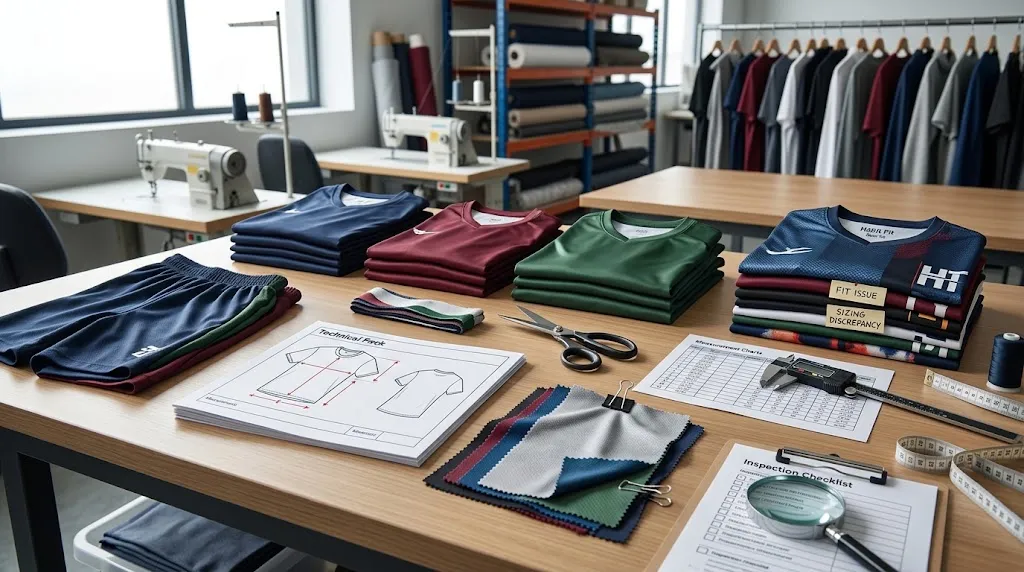
5. Always Ask About Samples
One of the safest ways to evaluate a manufacturer is to request a sample before placing a large production order.
A sample allows you to check things that may not be obvious from photographs.
For example, you can inspect:
- Fabric feel
- Fabric weight
- Stitching
- Print quality
- Embroidery
- Color accuracy
- Measurements
- Logo placement
- Seams
- Finishing
- Overall comfort
Suppose you are launching a new fitness clothing brand and plan to order 500 shirts. Discovering a sizing problem after the entire order has been manufactured can be expensive.
A sample gives you an opportunity to identify problems before committing to bulk production.
6. Compare Fabric Quality, Not Just Price
Price is important, but it should not be the only factor you compare.
Two manufacturers may give you different prices for what appears to be the same product. However, the actual garments may use different fabrics, stitching standards, trims, printing methods, or finishing processes.
For sportswear, fabric selection can affect:
- Comfort
- Stretch
- Breathability
- Durability
- Weight
- Appearance
- Performance during activity
Ask the manufacturer for detailed fabric information rather than simply asking whether they use "good quality material."
If possible, request fabric samples before finalizing the production specifications.
7. Check Minimum Order Quantities
Minimum order quantity, or MOQ, is another important consideration.
Some manufacturers may require hundreds or thousands of pieces per design, while others may support smaller production runs.
This matters particularly for new brands.
For example, a startup may want to test three designs with 50 pieces each instead of producing 500 pieces of one design. A manufacturer that can support smaller batches may reduce the financial risk of testing the market.
Before starting production, confirm:
- Minimum quantity per design
- Minimum quantity per color
- Minimum quantity per size
- Sample costs
- Bulk order requirements
Always ask for these details before approving the order.
8. Evaluate Communication
Good communication can make the manufacturing process much easier.
You should receive clear answers about:
- Product specifications
- Pricing
- Samples
- Production timelines
- Shipping
- Payment terms
- Changes to artwork
- Quality control
- Order updates
A manufacturer does not necessarily need to respond instantly to every message, but they should communicate clearly and professionally.
If you have difficulty getting basic answers before placing an order, the same problem can become more serious once production begins.
9. Ask About Quality Control
Quality control is especially important when producing branded sportswear.
A professional manufacturer should have processes for checking garments during production and before shipment.
Depending on the product, quality checks may include:
- Measurements
- Stitching
- Fabric defects
- Print alignment
- Color consistency
- Logo placement
- Embroidery quality
- Garment finishing
- Packaging
You should also ask what happens if defective products are discovered.
A clear quality-control process can help reduce surprises when your order arrives.
10. Confirm Production and Delivery Times
Production time can affect your product launch, seasonal campaigns, sports tournaments, and customer commitments.
Ask for an estimated timeline covering the entire process:
- Design review
- Sample development
- Sample approval
- Material preparation
- Bulk production
- Quality inspection
- Packaging
- Shipping
Do not plan a major launch around an assumed delivery date without confirming the manufacturer's expected production and shipping schedule.
If you have a fixed deadline, communicate it before placing the order.
11. Consider International Shipping Experience
If you are ordering from an overseas manufacturer, shipping becomes an important part of the process.
Ask whether the manufacturer regularly works with international customers and whether they can provide the required shipping documentation.
Depending on the destination, you may need to consider:
- Shipping method
- Delivery time
- Customs
- Import duties
- Packaging requirements
- Commercial invoices
- Tracking information
A manufacturer experienced in international orders may already understand many of these practical requirements.
12. Check Whether the Manufacturer Can Grow With Your Brand
A manufacturer may be suitable for your first order but unable to support your business when demand increases.
Think beyond your initial order.
If your brand grows from 100 pieces per month to 1,000 pieces, will the manufacturer be able to maintain quality and production consistency?
Ask about their production capacity and whether they regularly handle repeat orders.
A long-term manufacturing relationship can be valuable because the manufacturer becomes familiar with your specifications, preferred fabrics, sizing, branding, and quality expectations.
13. Review the Manufacturer's Website and Portfolio
A manufacturer's website can provide useful information about its products, services, production methods, and experience.
Look for actual examples of products rather than generic statements such as "best quality manufacturer."
Pay attention to whether the company clearly explains:
- What it manufactures
- What customization options are available
- Which decoration methods it offers
- Where it operates
- How customers can contact it
- Whether it shows real product examples
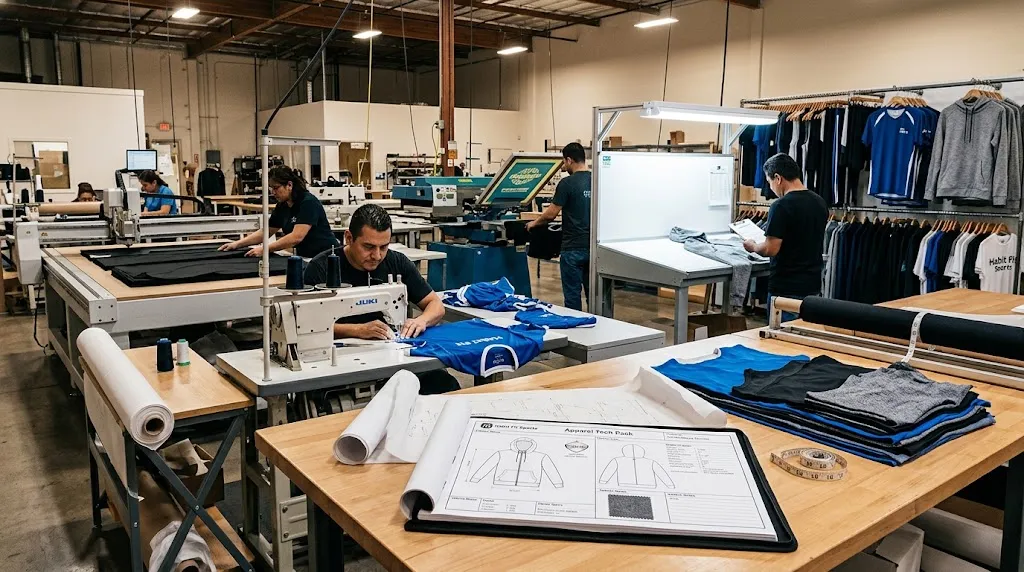
For example, Habit Fit Sports is a Sialkot-based manufacturer and supplier focused on custom sportswear, streetwear, activewear, and workwear.
Reviewing a manufacturer's specific service pages can also help you understand whether its capabilities match your project.
14. Do Not Choose a Manufacturer Based Only on the Cheapest Quote
A low quote can look attractive, particularly when you are starting a new business.
However, the cheapest production price does not automatically mean the lowest overall cost.
Imagine ordering 500 jerseys at a low price and discovering that the sizing is inconsistent or the printing quality is poor. Replacing the products, handling customer complaints, and delaying your launch could cost much more than the original price difference.
Instead of asking only, "Who is cheapest?" compare the complete value:
Product quality + customization + communication + production consistency + delivery + price
This gives you a more useful picture of what you are actually buying.
15. Ask These Questions Before Placing an Order
Before choosing a custom sportswear manufacturer, prepare a short checklist.
You can ask:
1. What products do you manufacture?
2. What is your minimum order quantity?
3. Can you make samples before bulk production?
4. Which fabrics are available?
5. Which printing methods do you offer?
6. Can you handle custom labels and packaging?
7. What is the expected production time?
8. How do you handle quality control?
9. Do you work with international customers?
10. What are your payment and shipping terms?
The answers will help you compare manufacturers using the same criteria instead of choosing based on price alone.
16. Build a Clear Production Brief
Once you have selected a potential manufacturer, provide a clear production brief.
Your brief can include:
- Product name
- Garment type
- Fabric
- Fabric weight
- Colors
- Size chart
- Measurements
- Logo files
- Artwork
- Printing method
- Embroidery requirements
- Labels
- Packaging
- Quantity
- Delivery destination
For example, instead of saying:
"Make 100 custom gym shirts."
A better request would explain the garment style, fabric, color, sizes, artwork, logo placement, decoration method, quantity, packaging, and delivery requirements.
Clear information reduces the chance of misunderstandings.
17. Think About the Long-Term Relationship
The best manufacturing relationship is not always about completing one order.
If you plan to build a serious clothing brand, you may need the same manufacturer for months or years.
Over time, a reliable production partner can become familiar with your:
- Product standards
- Brand identity
- Preferred fabrics
- Sizing
- Packaging
- Decoration requirements
- Quality expectations
This can make repeat production easier and more consistent.
Final Thoughts
Finding a reliable custom sportswear manufacturer requires more than comparing prices. You need to look at product quality, customization capabilities, fabric options, printing and embroidery methods, samples, minimum order quantities, communication, quality control, production capacity, and delivery.
Start with your exact product requirements, request samples, ask detailed questions, and compare manufacturers using the same criteria.
If you are looking for a manufacturer for custom sportswear, activewear, streetwear, teamwear, or related apparel, you can explore Habit Fit Sports and review its specialized manufacturing services, including screen printing, sublimation printing, embroidery, and DTF printing.
The goal is simple: find a manufacturing partner that can consistently turn your designs and specifications into products your customers will be happy to wear.

























Sign in to leave a comment.