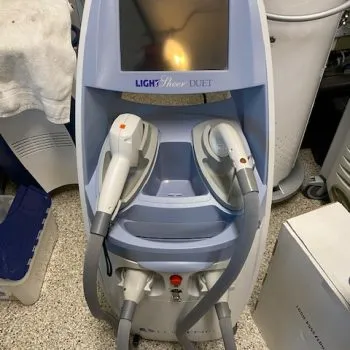

Clinics often consider previously owned laser systems when they want to expand treatment capabilities while maintaining control over equipment spending. The used market can provide access to functional technology at a lower initial investment, but careful evaluation remains essential. Practices searching for Used Medical Laser Equipment for Sale should examine equipment condition, treatment capabilities, maintenance history, testing, safety features, and available technical support. A reliable purchasing process focuses on overall value rather than price alone. This approach helps clinics identify equipment that can support daily operations and contribute to long term business goals.
Define the Clinic’s Requirements
Before reviewing available equipment, a clinic should identify its specific treatment requirements. Different practices may need systems for hair reduction, skin treatments, vascular applications, pigmentation concerns, or other medical aesthetic services. Understanding these priorities helps narrow the search and prevents unnecessary investment in features that may rarely be used. Clinics should consider their current treatment menu, patient demand, staff capabilities, and future service plans. Establishing these requirements first allows buyers to compare available systems according to practical needs instead of making a decision based mainly on appearance or advertised specifications.
Consider Expected Treatment Volume
Expected treatment volume can influence which equipment is most appropriate for a practice. Clinics with high patient demand may require systems capable of supporting frequent procedures and efficient workflows. Smaller practices may place greater emphasis on versatility, manageable maintenance, and flexible operating costs. Buyers should estimate the number of treatments the equipment may perform during a typical week or month. This information can help determine whether a particular system is likely to meet operational expectations. Selecting equipment according to realistic workload requirements can also help prevent premature limitations as the clinic’s patient base develops.
Evaluating Equipment Condition
Inspect the Main Unit
A thorough physical inspection should be part of every used equipment evaluation. Clinics should examine the main housing, display, controls, connectors, cables, cooling components, treatment ports, and other accessible parts. Signs of ordinary cosmetic wear may not affect functionality, but cracks, loose components, damaged cables, or unusual physical conditions deserve additional attention. Buyers should compare the observed condition with the seller’s description and available documentation. A detailed inspection provides useful information before a purchase is finalized and can help clinics identify potential maintenance requirements that may influence the overall investment.
Examine Treatment Handpieces
Treatment handpieces can have a significant effect on the practical value of laser equipment. Clinics should inspect each included handpiece for visible damage, worn connection points, inconsistent controls, and signs of excessive use. Cooling functionality and responsiveness should also be evaluated when appropriate. If multiple handpieces are included, each should be checked individually rather than assuming that all components have the same condition. Replacement costs can sometimes be substantial, so understanding the condition of these components helps buyers estimate potential future expenses and determine whether the equipment package represents reasonable value.
Review Accessories and Components
A used system may include accessories that are important for normal operation. Buyers should create an inventory of cables, foot controls, power components, treatment accessories, keys, manuals, and other included items. Missing components can create additional expenses and may delay installation or treatment use. Clinics should therefore confirm exactly what is included before completing a transaction. Comparing the complete equipment package rather than only the main unit provides a more accurate basis for evaluating price. Clear documentation of included components can also reduce misunderstandings between buyers and sellers.
Reviewing Equipment History
Examine Maintenance Records
Maintenance records provide valuable insight into how a used system was cared for during its previous operating period. Clinics should request documentation showing inspections, servicing, repairs, calibration, and replacement of important components whenever such records are available. A consistent maintenance history may indicate responsible equipment management. Records can also reveal recurring issues or significant repairs that should be considered before purchase. Buyers should evaluate documentation alongside physical inspection and functional testing. Together, these sources of information can provide a clearer understanding of the system’s condition and help reduce uncertainty surrounding the investment.
Ask About Previous Usage
Previous usage can provide additional context when evaluating equipment. Clinics should ask about how frequently the system was operated, what types of treatments it supported, and whether it experienced major technical problems. The environment in which equipment was stored and operated may also be relevant. A system used regularly under appropriate maintenance procedures may remain practical for continued service. However, buyers should avoid making assumptions based solely on usage history. Physical condition, technical performance, and documentation should all be considered before determining whether a particular system meets the clinic’s requirements.
Investigate Repairs and Replacements
Repair history can help buyers identify components that may require future attention. Clinics should ask whether major parts, handpieces, cooling components, displays, or other important elements have previously been replaced. Previous repairs do not automatically indicate poor equipment quality. In some cases, replacing worn components can help extend useful service life. The important consideration is understanding what was repaired and whether the work was completed properly. Reviewing repair history allows buyers to identify potential recurring concerns and incorporate possible future maintenance costs into their purchasing decision.
Confirming Technical Capabilities
Compare Required Specifications
Technical specifications should be compared with the clinic’s actual treatment requirements. Depending on the intended application, buyers may need to consider wavelength, energy settings, pulse characteristics, spot size, cooling capabilities, and available treatment controls. The goal should be to identify equipment that provides useful capabilities rather than simply selecting the system with the greatest number of features. A practical match between specifications and treatment needs can improve the value of the investment. Clinics should also verify that the selected system is appropriate for their intended applications and operating environment.
Assess Treatment Flexibility
Flexibility may be particularly valuable for clinics planning to expand their services. Equipment capable of supporting several appropriate applications can help a practice serve different patient needs without immediately purchasing multiple systems. However, buyers should verify the actual capabilities of each system rather than relying on general descriptions. Treatment flexibility should be evaluated according to compatible components, available settings, and intended applications. A versatile system can contribute to more efficient use of treatment space and resources, provided that its capabilities align with the clinic’s staff expertise and service strategy.
Checking Testing and Refurbishment
Understand Testing Procedures
Functional testing is an important part of evaluating previously owned laser equipment. Buyers should determine whether the system has been tested before sale and what areas were examined. Testing may involve controls, energy delivery, cooling performance, handpiece operation, displays, and other relevant functions. Documentation of testing can provide additional confidence and make it easier to understand the system’s current condition. Clinics should also consider whether qualified technical personnel completed the evaluation. A documented testing process helps reduce uncertainty and can identify potential problems before the equipment becomes part of daily clinical operations.
Review Refurbishment Details
If the equipment has undergone refurbishment, buyers should ask exactly what work was completed. Refurbishment may involve cleaning, inspection, component replacement, calibration, functional testing, and correction of identified issues. The term refurbishment can describe different levels of preparation, so clinics should seek specific information rather than relying on the label alone. Understanding the refurbishment process helps buyers compare equipment more accurately. It also provides insight into whether the system received meaningful technical attention before being offered for sale. Detailed information can support a more informed decision and improve expectations regarding future maintenance.
Considering Safety and Installation
Review Safety Features
Safety should remain a central consideration when selecting used medical laser equipment. Clinics should review emergency controls, warning indicators, protective mechanisms, treatment safeguards, and other relevant operating features. Staff members should understand the equipment’s operating procedures and follow appropriate facility protocols. A used system should receive careful safety evaluation before being placed into service. Practices should also ensure that suitable protective measures are available for operators and patients according to the intended treatment application. Proper safety evaluation helps create a controlled environment and supports responsible operation throughout the equipment’s useful life.
Prepare the Treatment Environment
The clinic should confirm that its facility can accommodate the selected equipment before purchase. Space requirements, electrical needs, cooling, ventilation, access routes, and equipment placement should be reviewed in advance. A system that does not fit properly within the treatment area can interfere with workflow and create unnecessary installation challenges. Buyers should also determine whether the facility has suitable electrical infrastructure for reliable operation. Preparing the treatment environment ahead of delivery can reduce delays and help staff begin using the equipment more efficiently after installation and necessary checks have been completed.
Evaluating Financial Value
Calculate Total Ownership Costs
The purchase price should not be considered the complete cost of acquiring used laser equipment. Clinics should also estimate transportation, installation, inspection, training, maintenance, replacement components, and potential repair expenses. A system with a low initial price may not provide strong value if it requires substantial additional spending. Similarly, a slightly higher priced system may offer better overall value when its condition and support are stronger. Calculating total ownership costs gives practices a more realistic financial picture and allows them to compare equipment options according to their actual long term investment.
Consider Return on Investment
Potential return on investment should be evaluated using realistic treatment demand and operating assumptions. Clinics can estimate expected appointment volume, treatment pricing, operating expenses, maintenance requirements, and available treatment hours. These calculations can help determine how the equipment may contribute to revenue over time. Buyers should avoid assuming that every system will generate the same financial results because patient demand and treatment models vary between practices. A realistic financial assessment allows clinics to select equipment that supports sustainable growth while keeping investment expectations practical and achievable.
Reviewing Support and Finalizing the Purchase
Evaluate Warranty and Technical Support
Warranty and technical support can provide valuable protection after purchasing used equipment. Clinics should determine what warranty coverage is available, which components are included, and how service concerns are handled. Buyers should also ask whether assistance is available for installation, troubleshooting, maintenance, and training. Reliable technical support can help reduce downtime and make equipment ownership easier for staff. These services should be considered alongside equipment condition, specifications, and price. A strong support structure can add meaningful value and provide greater confidence when introducing previously owned technology into a busy clinical environment.
Compare Multiple Equipment Options
Comparing several systems allows clinics to identify differences that may not be obvious from price alone. Practices can create a checklist covering equipment condition, specifications, treatment capabilities, service history, refurbishment, testing, safety features, parts availability, warranty, and total ownership costs. Applying the same criteria to each option makes the evaluation more consistent. This structured process can prevent rushed purchasing decisions and help buyers focus on factors that directly influence long term value. A carefully selected system should satisfy current treatment requirements while providing reasonable potential for future service expansion.
Conclusion
Finding reliable used laser equipment requires more than locating an affordable system. Clinics should carefully evaluate condition, technical specifications, treatment capabilities, maintenance history, previous usage, refurbishment, testing, safety, support, and total ownership costs. A structured purchasing process can help practices identify equipment that fits their operational needs while reducing the risk of unexpected expenses. Careful comparison also allows clinics to make decisions based on long term value rather than initial price alone. Practices seeking professional assistance when evaluating used medical and aesthetic equipment can turn to MEDPRO, INC. for knowledgeable guidance and dependable equipment support.





















Sign in to leave a comment.