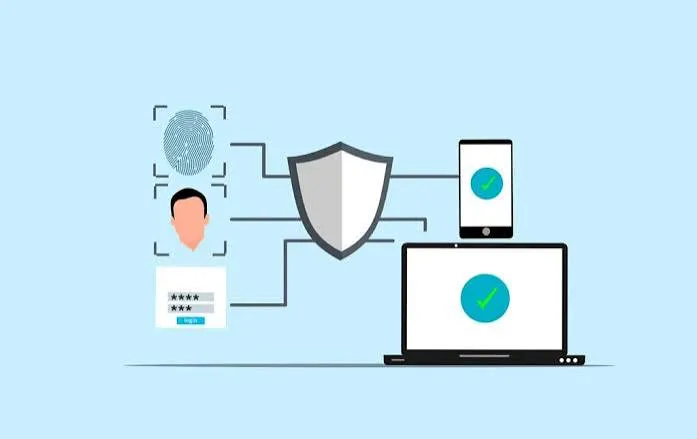

As digital transformation accelerates across Southeast Asia, Singapore’s business ecosystem has become one of the most technologically advanced—and target-rich—environments in the world. Modern enterprises are expected to manage sophisticated supply chains, complex cloud infrastructures, and massive volumes of sensitive customer data. In response to this evolving risk landscape, the Cyber Security Agency of Singapore (CSA) launched the Cybersecurity Certification Scheme, featuring the Cyber Essentials mark for smaller entities and the cyber trust mark singapore for larger or more digitally mature enterprises.
Achieving Cyber Trust Mark certification is more than a regulatory checkbox. It serves as an independent, third-party badge of honor that signals to regional partners, multinational clients, and government bodies that your organization maintains a robust cybersecurity posture.
Whether you are preparing for a corporate audit or looking to differentiate your enterprise in competitive tenders, this comprehensive guide outlines the step-by-step compliance roadmap required to earn and maintain the Cyber Trust Mark in Singapore.
Understanding the Cyber Trust Mark Tier Structure
Unlike baseline certifications, the Cyber Trust Mark is tailored to match an organization’s digital risk profile. The framework categorizes organizations into five distinct cybersecurity preparedness tiers:
- Supporter: Suitable for enterprises beginning to structure their digital risk frameworks with basic operational reliance on IT.
- Practitioner: Tailored for organizations with moderate digital reliance where operational downtime presents business risk.
- Promoter: Designed for companies where digital systems are core to business delivery and data handling is frequent.
- Performer: Aimed at enterprises managing large volumes of sensitive data, complex digital ecosystems, or critical business processes.
- Advocate: Reserved for market leaders, critical infrastructure players, and enterprises using highly complex tech stacks with stringent regulatory requirements.
Step-by-Step Compliance Checklist for Certification
Preparing for the formal audit requires systematic planning across operational, administrative, and technical domains. Follow this step-by-step checklist to streamline your path to certification.
Step 1: Scope Definition & Tier Selection
Before deploying technical tools or drafting policies, clearly map out your organization's digital perimeter.
- Determine your risk profile: Evaluate the volume of personal data you store, the complexity of your IT network, and your reliance on digital channels.
- Select your target tier: Match your business requirements against the CSA Cyber Trust Mark domain matrix to choose the appropriate tier (Supporter to Advocate).
Define the certification boundary: Decide whether the certification will cover the entire enterprise, specific business units, or localized infrastructure in Singapore.
Step 2: Leadership Alignment & Governance Setup
Cybersecurity governance is a core pillar evaluated during the audit. Demonstrating top-down oversight is crucial.
- Form a Cybersecurity Steering Committee: Assign formal responsibility for security risk management to executive leadership or a dedicated Information Security Team.
- Establish Security Policies: Draft, review, and formally approve core governance documents, including Information Security Policies, Acceptable Use Policies, and Data Protection Standards.
- Resource Allocation: Ensure adequate budget and manpower are committed to remediation work, technology upgrades, and auditing fees.
Step 3: Implement Core Technical & Access Controls
The Cyber Trust Mark places heavy emphasis on mitigating unauthorized access and protecting critical digital assets.
- Enforce Multi-Factor Authentication (MFA): Mandatory MFA must be enforced across all remote access protocols, cloud applications, and administrative consoles.
- Identity & Access Management (IAM): Implement the Principle of Least Privilege (PoLP) and conduct quarterly user access reviews.
- Endpoint Protection: Deploy Endpoint Detection and Response (EDR) solutions across all company-managed laptops, desktops, and servers.
- Data Protection & Encryption: Ensure sensitive data is encrypted both at rest (using AES-256 or equivalent) and in transit (using TLS 1.2+).
Step 4: Perform Comprehensive Technical Assessments
Auditors will require empirical proof that your network perimeter and application layers are resilient against real-world cyber threats.
- Vulnerability Scanning: Establish routine internal and external vulnerability scans to identify unpatched software and misconfigurations.
- Rigorous Security Testing: Conduct annual independent security testing on all critical assets. For organizations operating modern web portals, APIs, or SaaS products, performing dedicated web application penetration testing is vital to identify logic flaws, injection vulnerabilities, and broken access controls before an external auditor inspects your systems.
- Advanced Crowdsourced & Continuous Testing: To achieve higher tiers like Performer or Advocate, standard point-in-time scans are often insufficient. Utilizing modern testing paradigms like synack pen testing allows enterprises to leverage continuous, crowd-sourced security testing platforms, providing on-demand analytics and deeper vulnerability coverage that satisfies stringent audit mandates.
Step 5: Employee Training & Security Awareness
Human error remains one of the primary vectors for enterprise breaches. The Cyber Trust Mark evaluates how effectively an organization trains its workforce.
- Conduct Mandatory Onboarding & Annual Training: Ensure all employees complete cybersecurity training covering phishing awareness, password hygiene, and social engineering risks.
- Simulated Phishing Exercises: Run periodic, unannounced phishing simulations to track click rates and assess organizational vulnerability.
- Security Reporting Protocols: Establish clear, simple channels for employees to report suspicious emails or potential security incidents immediately.
Step 6: Incident Response & Business Continuity Preparation
A key requirement of higher Cyber Trust Mark tiers is the ability to contain, mitigate, and recover from security incidents swiftly.
- Develop an Incident Response Plan (IRP): Formulate a comprehensive plan detailing roles, escalation paths, regulatory notification requirements (such as PDPC guidelines in Singapore), and technical containment steps.
- Tabletop Exercises: Conduct bi-annual tabletop simulations with executive leadership and technical teams to test the operational readiness of the IRP.
- Backup Verification & Testing: Maintain isolated, encrypted backups (following the 3-2-1 rule) and routinely perform restoration tests to verify recovery point objectives (RPO) and recovery time objectives (RTO).
Step 7: Pre-Audit Gap Analysis & Readiness Assessment
Prior to engaging an accredited certification body, conduct a thorough mock audit to eliminate surprises.
- Self-Assessment Matrix: Cross-examine your current technical controls, policy documentation, and log retention against the official CSA Cyber Trust Mark criteria for your chosen tier.
- Gather Evidence Repositories: Collect logs, policy approval notes, penetration testing reports, training logs, and risk registers into an organized audit repository.
- Remediate Gaps: Address any high- or medium-risk findings identified during the mock evaluation.
What to Expect During the Certification Audit
Once your gap remediation is complete, engage an independent Certification Body (CB) accredited by CSA Singapore. The formal certification process typically unfolds over three phases:
- Document Review: The auditor reviews your policies, architecture diagrams, training records, and prior security assessment reports to confirm foundational compliance.
- On-Site/Virtual Verification: Auditors conduct interviews with key personnel, perform spot checks on technical configurations, inspect security logging systems, and verify asset management databases.
- Report & Certification Decision: If non-conformities are identified, you will be given a designated period to implement corrective actions. Upon successful verification, CSA awards the official Cyber Trust Mark certification, which remains valid for three years (subject to annual surveillance reviews).
Unlocking the Business Value of the Cyber Trust Mark
Achieving the Cyber Trust Mark position your business as a preferred partner in Singapore's digital economy. Beyond regulatory compliance, certified organizations benefit from:
- Competitive Advantage in Tenders: Enterprise buyers and government bodies increasingly require suppliers to demonstrate independent security validation before awarding major contracts.
- Financial Incentives: Qualified Singapore enterprises can leverage government support schemes, such as the Enterprise Development Grant (EDG), to defray eligible consultancy and assessment costs associated with obtaining the mark.
- Cyber Insurance Optimization: Insurance underwriters view third-party cybersecurity certifications favorably, often resulting in lower premiums and broader coverage limits.
- Enhanced Supply Chain Trust: Demonstrating robust cybersecurity governance reassures international clients that their data is protected within your ecosystem.
By systematic planning, enforcing strong technical controls, and verifying your defense posture through comprehensive security testing, your organization can successfully navigate the Cyber Trust Mark certification journey and build lasting digital trust.



























Sign in to leave a comment.