
That stubborn tan after summer can be surprisingly difficult to fade. You may notice that your face looks darker than your neck, or that your arms have developed an uneven tone despite regular skincare. In a city like Lucknow, intense sunlight, humidity, and pollution can make this concern even more noticeable. The good news is that tanning usually improves with time—and the right combination of prevention and targeted care can help speed up the process.

What Happens to Your Skin When You Tan?
A tan is actually a protective response to ultraviolet (UV) exposure. When UV rays reach the skin, pigment-producing cells increase melanin production. This extra melanin helps protect deeper layers of the skin, but it also creates the darker appearance we associate with tanning.
Repeated exposure, however, can do more than temporarily darken the skin. It may contribute to uneven pigmentation, dullness, and premature signs of skin aging.
A simple tan can gradually fade when you reduce sun exposure, but pigmentation that has become persistent or uneven may need a more targeted approach.
Start With the Basics: Protect and Support Your Skin
Before considering procedures, your daily routine matters enormously. Continuing to expose your skin to UV radiation while trying to fade a tan can work against your efforts.
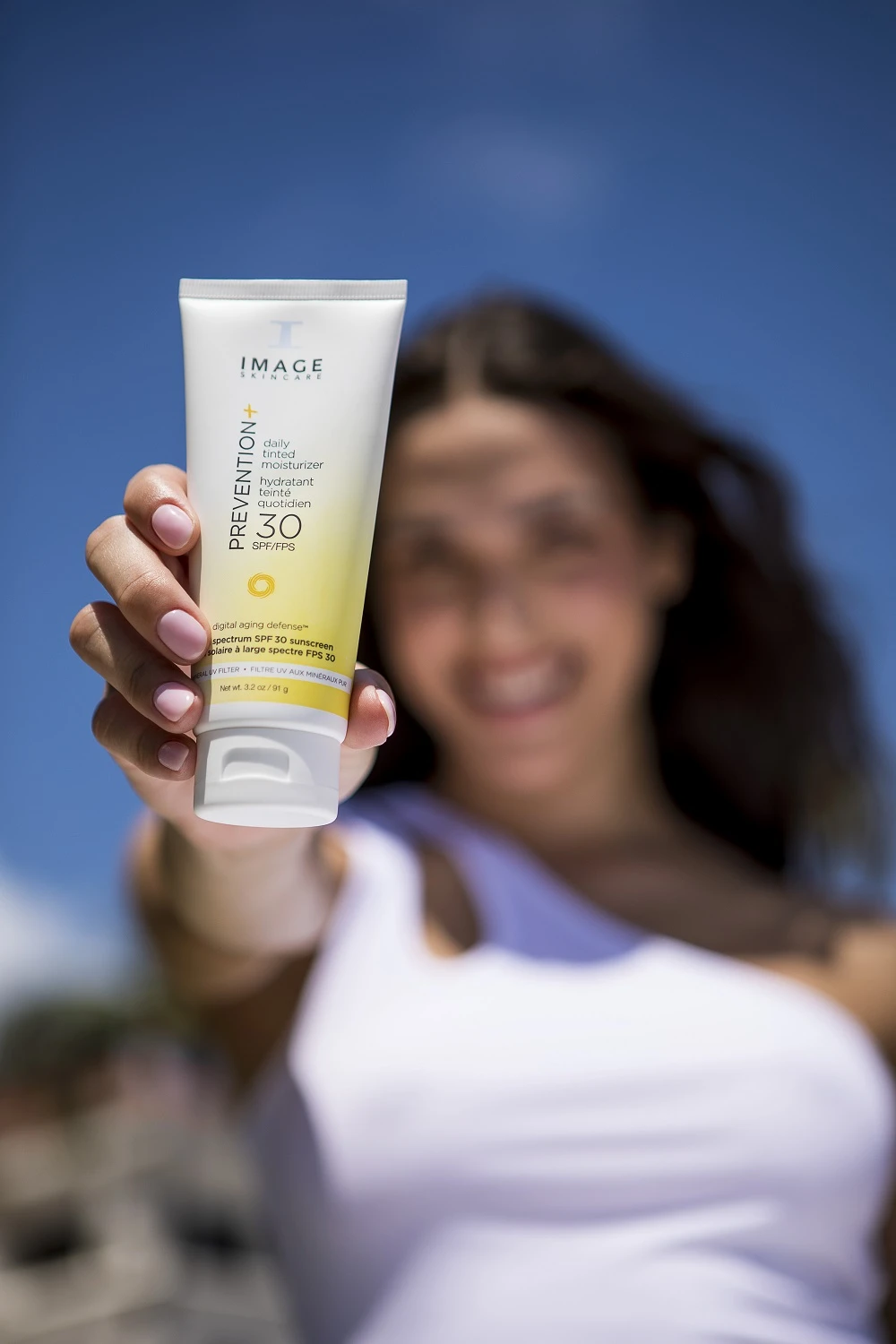
A broad-spectrum sunscreen should be part of your everyday routine. The reference guidance recommends at least SPF 30, with SPF 50+ preferred, and reapplication every two to three hours when exposed to the sun. Sunscreen should also be used on cloudy days because UV exposure does not disappear when the sky is overcast.
Gentle exfoliation can also help remove accumulated dead skin cells. Ingredients such as lactic acid or fruit enzymes may be used a few times a week, provided your skin tolerates them. Vigorous scrubbing is not recommended because excessive friction can irritate the skin.
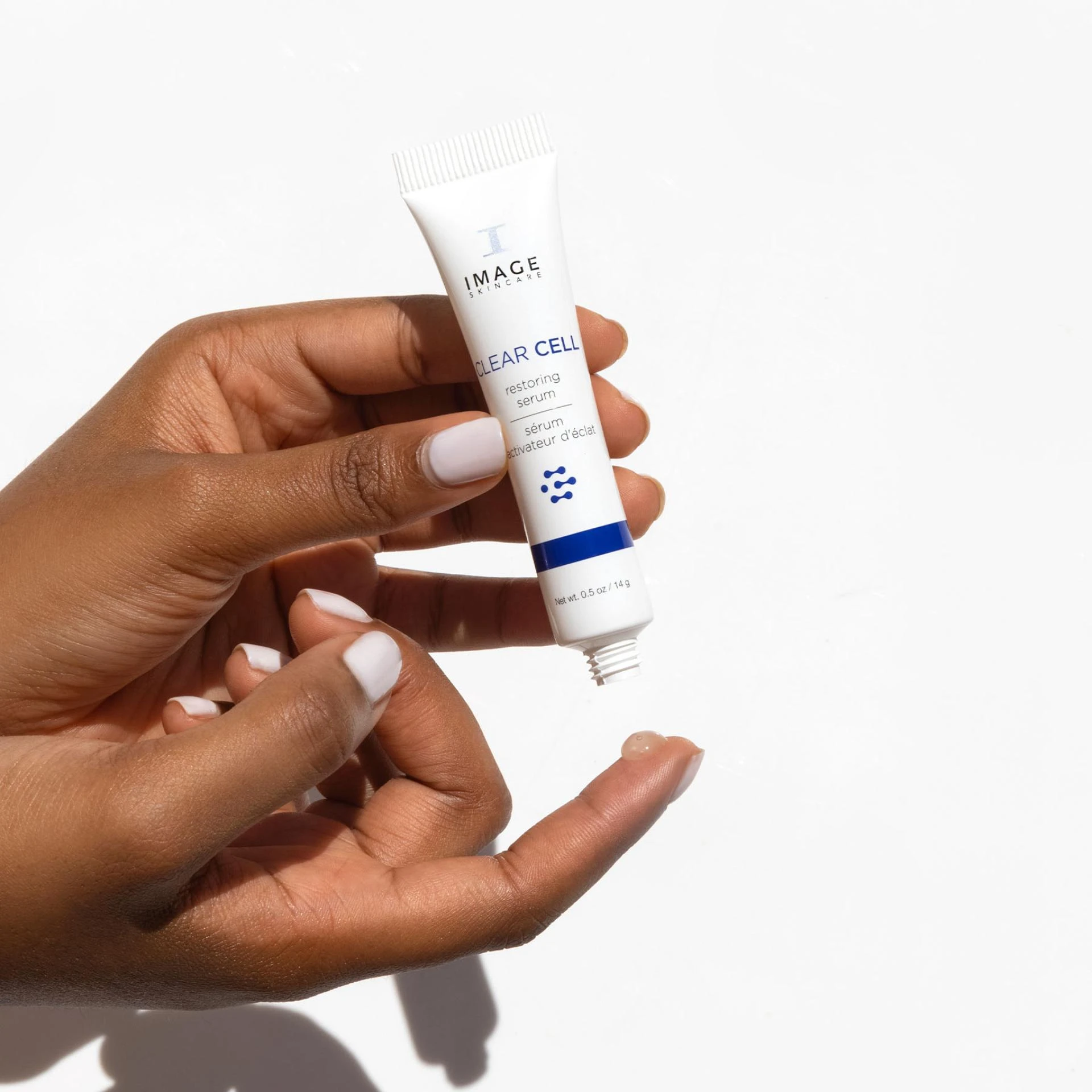
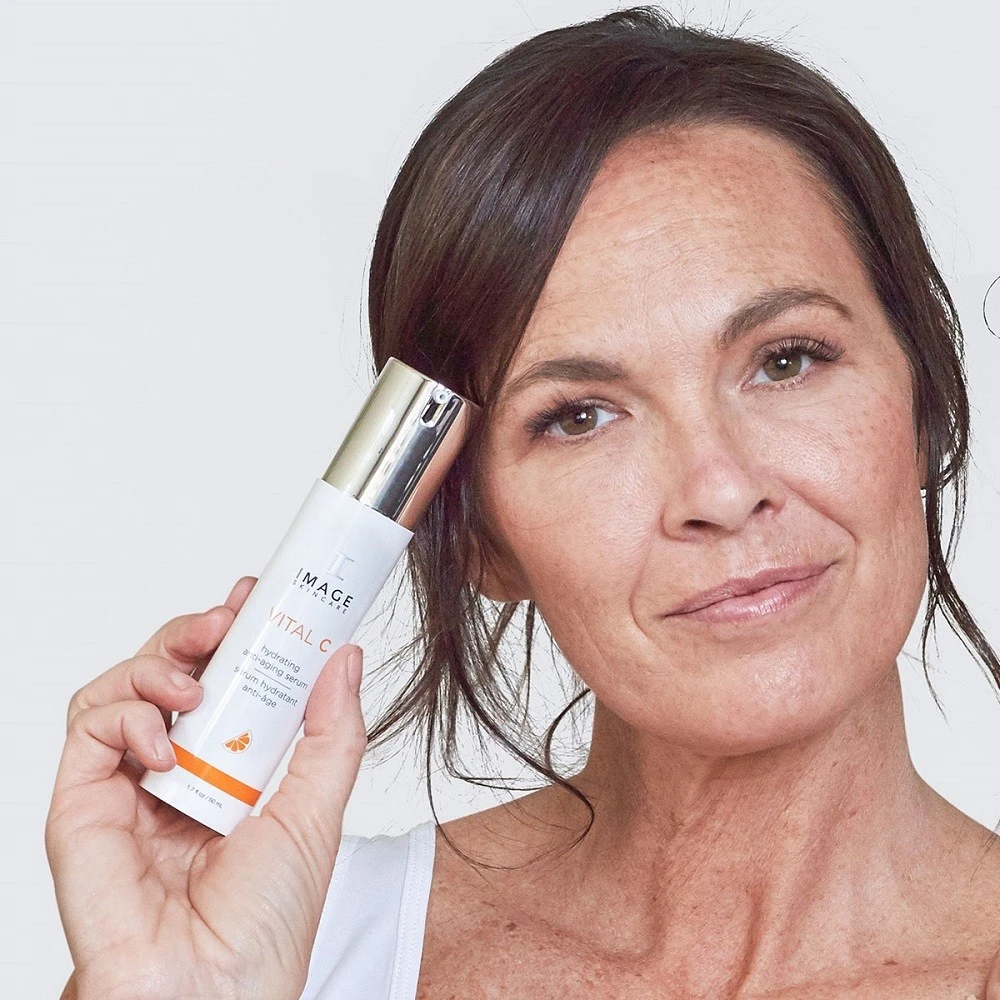
For daily skincare, ingredients such as vitamin C and niacinamide may help brighten the appearance of uneven skin tone. They should complement—not replace—sun protection.
When Should You Consider Professional Treatment?
Not every tan requires a clinic-based procedure. However, professional treatment may be worth considering when the discoloration remains after consistent home care, becomes patchy, or is accompanied by distinct pigmentation spots.
One option is a chemical peel, which uses a controlled chemical solution to exfoliate the outer layers of the skin. Different peel strengths may be selected depending on whether the concern is mild dullness or more persistent uneven pigmentation.
Another option is Q-Switch Nd:YAG laser toning. This treatment uses focused light energy to target melanin. It may be considered for selected cases of stubborn pigmentation, although treatment settings need to be chosen carefully according to the individual's skin and condition.
Some clinics may also use glutathione-based approaches as part of an overall skin-brightening plan. These should be discussed with a qualified medical professional rather than treated as a universal solution.
Tan, Pigmentation, or Something Else?
One important point is that not every dark patch is simply a tan.
A temporary tan generally follows sun exposure and can gradually improve when UV exposure is reduced. Long-lasting pigmentation, however, may have other causes, including hormonal, inflammatory, or genetic factors. The treatment approach can therefore be completely different.
If your skin has developed clearly defined spots, unusual patches, or pigmentation that continues to worsen despite sun protection, getting it evaluated is more useful than repeatedly trying stronger brightening products.
How to Keep Your Results From Fading
Removing existing tanning is only half the process. Preventing repeated UV exposure is what helps maintain an even complexion.
Simple habits can make a significant difference:
- Apply sunscreen every day and reapply when outdoors.
- Wear a hat and sunglasses for additional physical protection.
- Limit prolonged exposure during peak sunlight hours.
- Keep exfoliation gentle rather than aggressive.
- Maintain adequate skin hydration.
- Avoid repeatedly experimenting with harsh home remedies.
If tanning continues despite consistent protection, professional assessment can help determine whether you're dealing with deeper pigmentation rather than ordinary sun-induced tanning.
The Takeaway
A tan is your skin's response to UV exposure, not simply a surface layer that can be scrubbed away. Gentle skincare, brightening ingredients, and—most importantly—consistent sun protection can support gradual improvement.
When tanning is persistent, uneven, or associated with pigmentation, professional options such as chemical peels or appropriately selected laser treatments may provide additional support. The safest choice depends on your skin type and the actual cause of the discoloration.
Rather than chasing quick fixes, focus on protecting your skin, treating the underlying concern, and giving the skin enough time to recover.
Get Professional Advice for Persistent Tanning
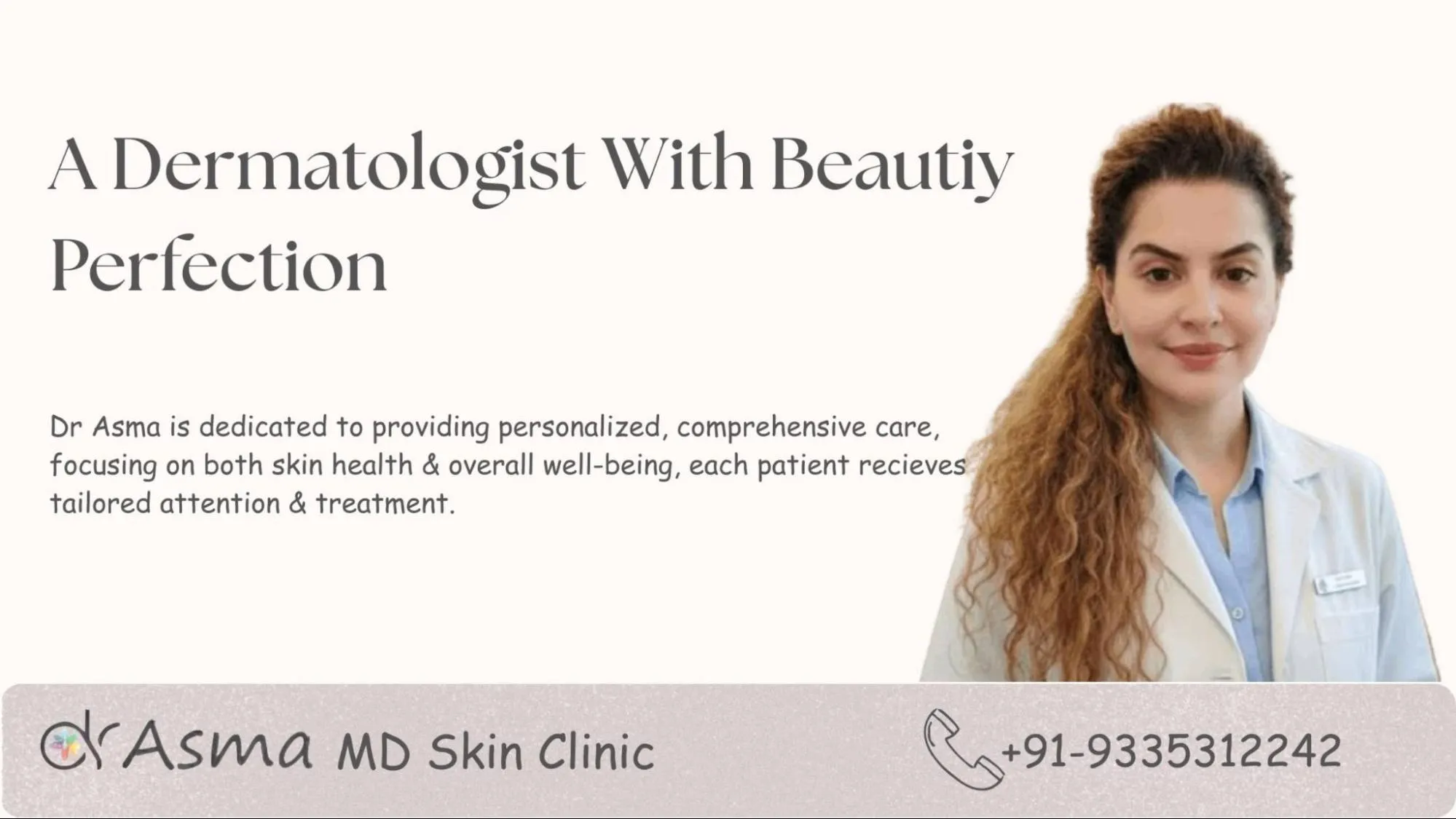
If your tan is stubborn, uneven, or accompanied by pigmentation, a dermatologist can assess your skin and recommend the right approach rather than relying on trial-and-error products. At Dr. Asma M.D. Skin Clinic, treatments can be selected according to your skin type, pigmentation pattern, and individual concerns.
Clinic Address: Subhash Chandra Bose Complex, Mandi Crossing, Victoria Street, Chowk Lucknow – 226003
Book a consultation to understand which treatment and skincare plan may be suitable for your skin.



















Sign in to leave a comment.