

Most men deal with pimples and move on. The pimple heals in a week, but the dark spot it leaves behind stays for months, and sometimes years. If you look in the mirror and see patches on your cheeks, jawline, or forehead that don’t match the rest of your skin, you’re not alone, and you’re not stuck with them.
This guide explains what acne marks actually are, why they show up differently on men’s skin, which options help, and how to decide what to try first.
First, Understand What You’re Actually Dealing With
Many people say “acne marks” for everything, but there are different kinds, and each one needs a different approach.
Dark Marks (Post-Inflammatory Hyperpigmentation)
These are flat brown or dark spots left after a pimple heals. They happen because inflamed skin produces extra pigment. They’re more visible on medium to deeper skin tones, which is common in India. These usually fade with time and the right care, though it can take several months.
Red or Pink Marks
Some marks look red or purplish rather than brown. These are linked to irritated blood vessels after inflammation. They tend to fade on their own, but sun protection and gentle care speed things up.
Acne Scars (Texture Changes)
If your skin feels uneven or has small pits and dents when you run a finger over it, that’s scarring, not just pigmentation. Scars involve actual changes in the skin’s structure, so creams alone rarely fix them.
A simple test: stretch the skin gently. If the mark becomes less visible, it’s likely a flat pigment mark. If the dent stays, it’s more likely a scar.

Why Men Often Notice Acne Marks More
Oilier, Thicker Skin
Men’s facial skin tends to be oilier and thicker, which can mean more frequent breakouts and deeper inflammation. More inflammation often means more marks.
Picking and Squeezing
It’s a very common habit, and it’s the single biggest reason a small pimple turns into a lasting mark. Squeezing pushes inflammation deeper and increases the chance of both pigmentation and scarring.
Shaving Over Active Pimples
Razors can irritate active breakouts, cause small cuts, and spread bacteria. Dark marks along the jawline and neck often come from this combination.
Less Sunscreen
Sun exposure darkens existing marks and makes them last longer. Many men skip sunscreen, especially when commuting or working outdoors, so marks stay stubborn.
What Actually Helps: Options That Work
No single treatment suits everyone. Here’s a realistic look at what’s commonly used, starting with the simplest.
Daily Sunscreen: The Step Everything Else Depends On
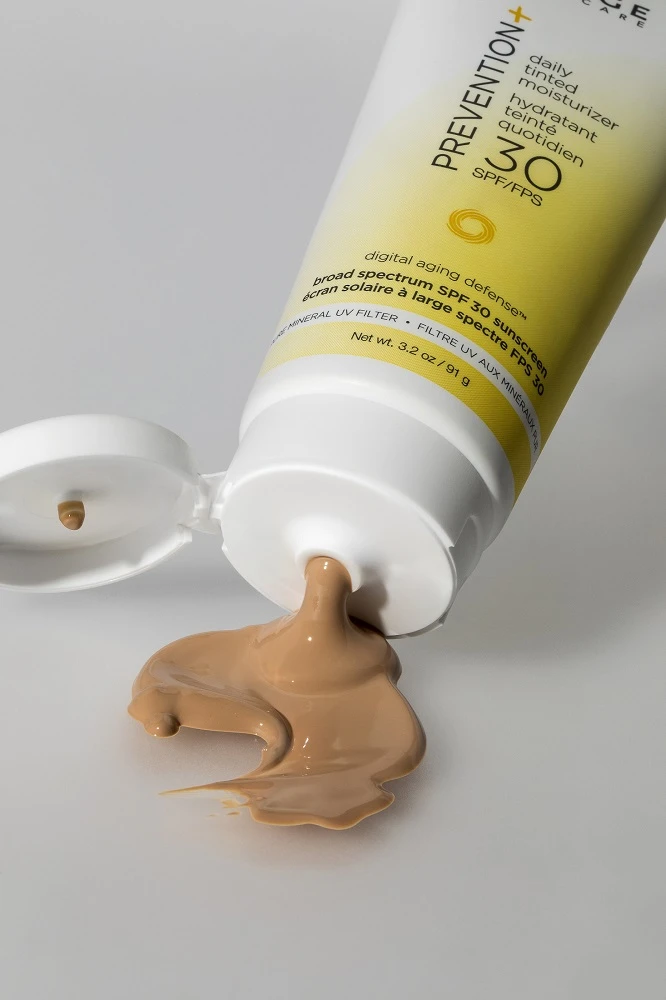
Without sunscreen, other treatments struggle. Use a broad-spectrum sunscreen every morning, even on cloudy days, and reapply if you’re outdoors for long. This alone stops marks from getting darker.
Gentle Skincare Ingredients
Some ingredients are commonly used to help even out tone over time:
• Niacinamide helps with oil control and uneven tone.
• Azelaic acid is often used for both acne and dark marks.
• Vitamin C may help with brightness when used consistently.
• Retinoids speed up skin renewal but can irritate, so they should be started slowly and ideally under guidance.
Start one new product at a time and give it at least 6 to 8 weeks before judging. Introducing many products together makes it hard to tell what works and what’s irritating your skin.
Chemical Peels
A chemical peel uses a carefully selected acid to remove the outer layer of dull, pigmented skin and encourage fresh skin underneath. For flat dark marks and mild texture, peels are one of the more commonly recommended in-clinic options.
Which Peels Are Usually Considered
Specialists often choose from options such as salicylic acid (useful for oily, acne-prone skin), glycolic acid, lactic acid, or mandelic acid (usually gentler). The right one depends on your skin type, how active your acne still is, and how sensitive you are.
How Many Sessions Are Typical
Most people need a short series spaced a few weeks apart rather than a single session. Results build gradually. If someone promises quick, permanent fading, treat that as a warning sign.
If you’re looking for chemical peel treatment in Bommasandra, a consultation helps the specialist check whether your marks are pigmentation or scars before suggesting a plan.
Other Clinic Treatments for Scars
If your concern is texture rather than colour, other procedures may be discussed, such as microneedling or laser-based treatments. These are decided case by case, after assessing the scar type and your skin tone, because some options carry a higher risk of pigmentation in darker skin. A peel alone usually won’t fix deep pits.
What Not to Do
Don’t Pick or Squeeze
It feels satisfying and costs you months of dark marks. If a pimple is painful or large, a specialist can treat it safely.
Don’t Scrub Harder
Rough scrubs irritate skin and can make marks darker. Gentle, consistent care beats aggressive exfoliation.
Don’t Rely on Home Remedies Alone
Lemon juice, toothpaste, and similar remedies can burn or irritate the skin and worsen pigmentation. Avoid them, especially on the face.
Don’t Skip the Consultation
Treating the wrong problem wastes time and money. Someone with active acne and marks needs a different plan from someone whose acne has already settled.
A Realistic Timeline
Skin heals slowly, and honest expectations make the process less frustrating.
• Mild dark marks: often improve over a few months with sunscreen and a simple routine.
• Stubborn pigmentation: may need a series of peels along with home care.
• Scars with texture: improve gradually, rarely disappear completely, and need more than topical products.
Marks also come back if new breakouts are left untreated, so controlling active acne is part of fixing marks.
Building a Simple Routine That Supports Treatment
You don’t need ten products. A basic routine works better:
Morning: gentle cleanser, light moisturiser, broad-spectrum sunscreen.
Night: gentle cleanser, a targeted ingredient if your specialist advises, moisturiser.
Shaving: use a clean, sharp razor, avoid shaving over active pimples, and consider an electric trimmer during flare-ups.
Consistency matters more than product count.
Who Should Be Careful With Peels
A peel may be postponed if your skin is currently infected, heavily inflamed, or irritated from shaving. Tell your specialist about any medication you use, past reactions, and what’s on your skin right now. Honest history helps them choose a safe approach.
Choosing a Clinic Close to Home
Peel treatment usually needs follow-up visits, so location matters. Along with chemical peel treatment in Shanthipura and chemical peel treatment in Singasandra, Clariv Skin supports men from nearby areas who want a clear assessment before they commit to anything.
Questions to Ask Before You Start
• Are my marks pigmentation, redness, or scars?
• Is my acne still active, and should that be treated first?
• Which peel or approach suits my skin tone and sensitivity?
• How many sessions, and what recovery should I expect?
• What should I do about shaving during treatment?
Clear answers to these questions are a good sign. Vague promises are not.
Final Thoughts
Acne marks feel permanent, but most flat dark marks do improve with patience, sun protection, and the right plan. The key is knowing what type of mark you have and not rushing into harsh fixes. Start with sunscreen and a gentle routine, avoid picking, and speak to a skin specialist if marks persist beyond a few months or your skin feels uneven.
At Clariv Skin, the focus is on assessing your skin first and recommending only what suits it. If your marks have been bothering you, a consultation is a sensible first step toward a plan that fits your skin.
Contact Details
Clariv Skin — Hair, Skin & Aesthetic Clinic
📞 Phone: +91 77600 56665
📧 Email: [email protected]
🌐 Website: www.clarivskin.in























Sign in to leave a comment.