
A dental emergency can happen unexpectedly, whether from an accident, sudden tooth pain, a broken tooth, or an infection. Knowing how to respond before reaching a dentist can help protect the affected area and avoid making the situation worse.
Start by Assessing the Problem
First, determine what happened and identify the affected area. Look for visible tooth damage, bleeding, swelling, or a loose or displaced tooth. Avoid repeatedly touching the injured area with your fingers or tongue.
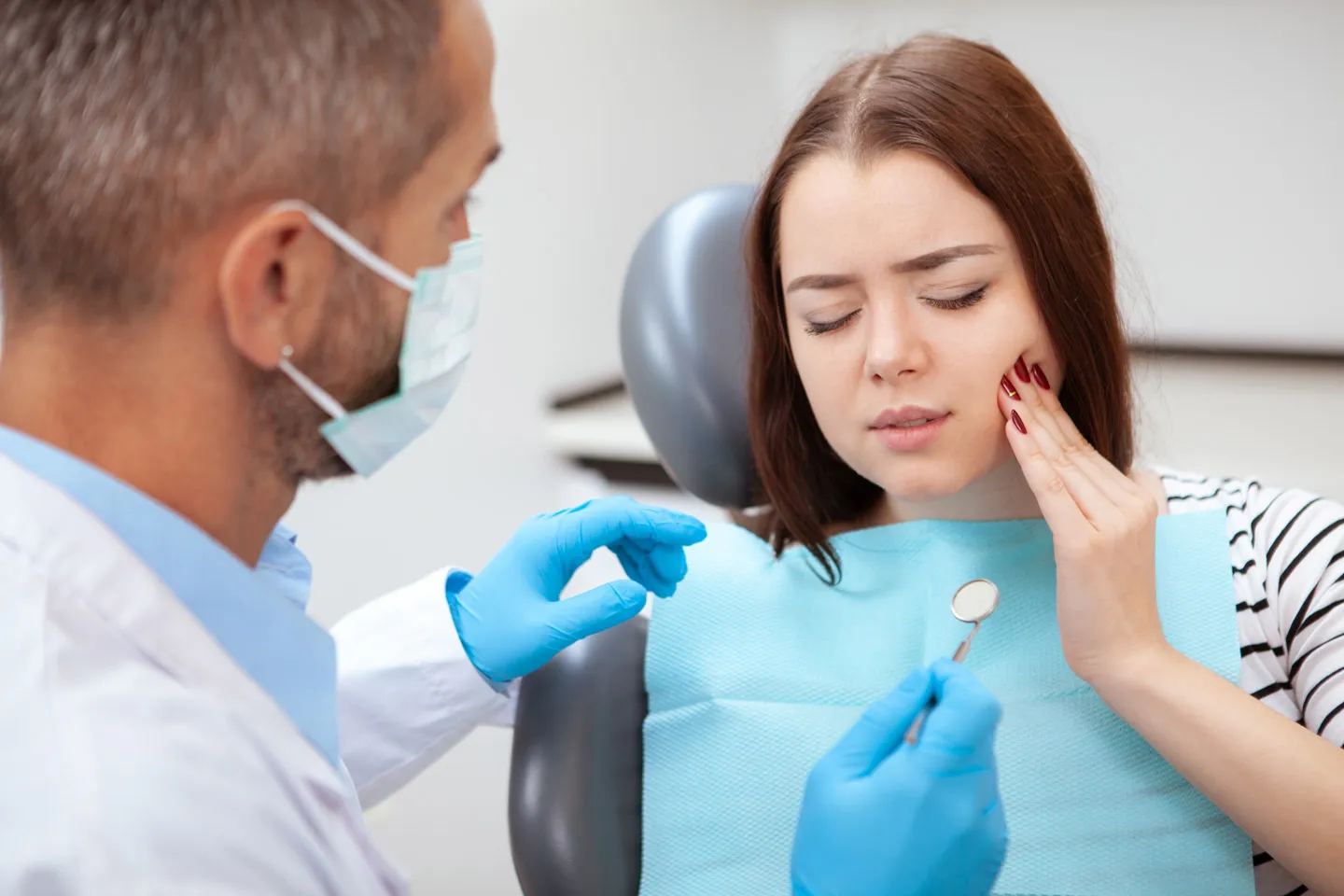
If you are experiencing severe pain, swelling, or other concerning symptoms, contact an emergency dentist promptly and explain what happened.
If a Tooth Has Broken
For a broken or chipped tooth, gently rinse your mouth with water. Avoid chewing on the damaged side and stay away from hard or sticky foods. If a larger piece of the tooth has broken off, keep it safely and bring it to the dental appointment.
If a Permanent Tooth Is Knocked Out
A knocked-out permanent tooth requires prompt attention. Handle the tooth by the crown rather than the root. If it is dirty, gently rinse it with water without scrubbing. If possible and appropriate, the tooth may be placed back into its socket carefully. Otherwise, keep it moist in an appropriate solution or milk and seek urgent dental care immediately.
Managing Bleeding and Swelling
For minor bleeding, gently applying clean gauze can provide pressure to the area. A cold compress placed against the outside of the cheek may help reduce swelling temporarily.
However, significant bleeding, severe facial swelling, or difficulty breathing or swallowing requires immediate medical attention.
Avoid DIY Dental Repairs
It can be tempting to use household glue or other materials to repair a broken tooth or replace a crown. These approaches can cause additional problems and should be avoided. A dental professional should determine how the tooth or restoration should be treated.
Seek Professional Evaluation
First-aid measures are only temporary steps. They do not identify or treat the underlying dental problem. An emergency dentist can examine the affected tooth and determine whether treatment such as a filling, crown, root canal, stabilization, extraction, or another procedure may be appropriate.
Patients in Issaquah looking for urgent dental care can contact NW Emergency Dentist for evaluation of unexpected dental problems. Dr. Prabhjot Sidhu can assess the situation and explain suitable treatment options.
Being prepared can make a stressful dental emergency easier to manage. The most important step is to protect the affected area and seek professional care promptly when symptoms indicate that immediate evaluation may be necessary.
























Sign in to leave a comment.