

Buying new furniture can be exciting until the boxes are opened and the floor is suddenly covered with screws, brackets, panels, dowels, bolts, and instructions that seem to go on forever. What looked like a simple weekend project can quickly turn into a frustrating afternoon.
This is especially true when the furniture has several drawers, adjustable shelves, sliding mechanisms, or multiple connecting pieces. One misplaced screw or incorrectly installed bracket can affect how the entire item fits together.
For Naples homeowners, the challenge can be even more noticeable when you're trying to finish a project around a busy schedule, prepare a guest room, or furnish a recently updated space. Knowing how to approach Furniture Assembly can save time, reduce frustration, and help protect your new investment.
Real Problems Homeowners Face With Complicated Furniture
Furniture with many small components requires more than simply following a few pictures in an instruction manual. Several common problems can make the process much harder than expected.
Too Many Similar Parts
Manufacturers often include screws and fasteners that look almost identical but have different lengths or purposes. Using the wrong one in the wrong location can prevent panels from fitting correctly.
Small wooden dowels, cam locks, washers, brackets, and specialty hardware can also be easy to mix up when everything is spread across the floor.
Instructions Can Be Confusing
Some assembly manuals rely heavily on diagrams rather than detailed explanations. A small illustration may show several pieces connected together without making it immediately obvious which direction a panel should face.
This becomes particularly frustrating when you discover halfway through the project that one component was installed backward.
Large Pieces Need Careful Handling
A dresser, wardrobe, entertainment center, bed frame, or large shelving unit may be difficult for one person to position safely. Trying to hold a heavy panel while attaching hardware can result in scratches, damaged edges, or an unstable connection.
Having another person available helps, but experience and the right approach can make the process much smoother.
Naples Homes Bring Their Own Assembly Considerations
Furniture assembly takes place in homes with different layouts, flooring, room sizes, and daily demands. Naples adds another layer of local context.
Homeowners in Old Naples, Moorings, Park Shore, Pelican Bay, and East Naples may be furnishing everything from compact guest rooms to spacious living areas.
Florida's warm, humid climate can also influence how certain wood products and materials respond over time. While humidity is not a reason to avoid assembling furniture, proper placement and careful handling can help preserve the finished piece.
If you're bringing furniture into a home near Naples Pier, Cambier Park, or the Gulf Coast, think about where the item will ultimately sit before beginning assembly. Moving a fully assembled large cabinet through a narrow hallway can be much harder than positioning it correctly during the assembly process.
Practical Steps for Managing Furniture With Many Parts
A little preparation can make a complicated assembly project considerably easier.
1. Read Everything Before Starting
Do not immediately start tightening screws when you open the box. First, read through the instructions and look at the complete hardware list.
Pay attention to:
- The number of panels
- Screw sizes
- Brackets and connectors
- Drawer components
- Hinges and slides
- Required tools
- Safety warnings
- Wall-anchoring instructions
Understanding the entire process first can prevent unnecessary disassembly later.
2. Sort the Hardware
Separate the small components before putting anything together. If the manufacturer labels hardware as A, B, C, or similar, keep each type in its own small container.
You can use cups, bowls, or labeled bags if the original packaging is difficult to manage.
This simple step saves a surprising amount of time when the project reaches a stage requiring several different fasteners.
3. Protect the Floor
Lay down cardboard, a moving blanket, or another suitable protective surface before assembling the furniture.
This gives you a workspace while reducing the chance of scratching hardwood, tile, or other flooring. It can also protect furniture panels from scuffs while they are being turned or repositioned.
4. Avoid Over-Tightening
Tightening every screw as hard as possible may seem like the safest approach, but it can damage certain materials or strip hardware.
Follow the manufacturer's instructions and tighten connections securely without forcing them beyond what the material can handle.
5. Check Alignment Before Final Tightening
Keep certain connections slightly loose while you align the main structure. Once the panels are positioned correctly, you can complete the tightening process.
This is particularly useful for cabinets, shelving units, dressers, and other furniture where several panels need to meet evenly.
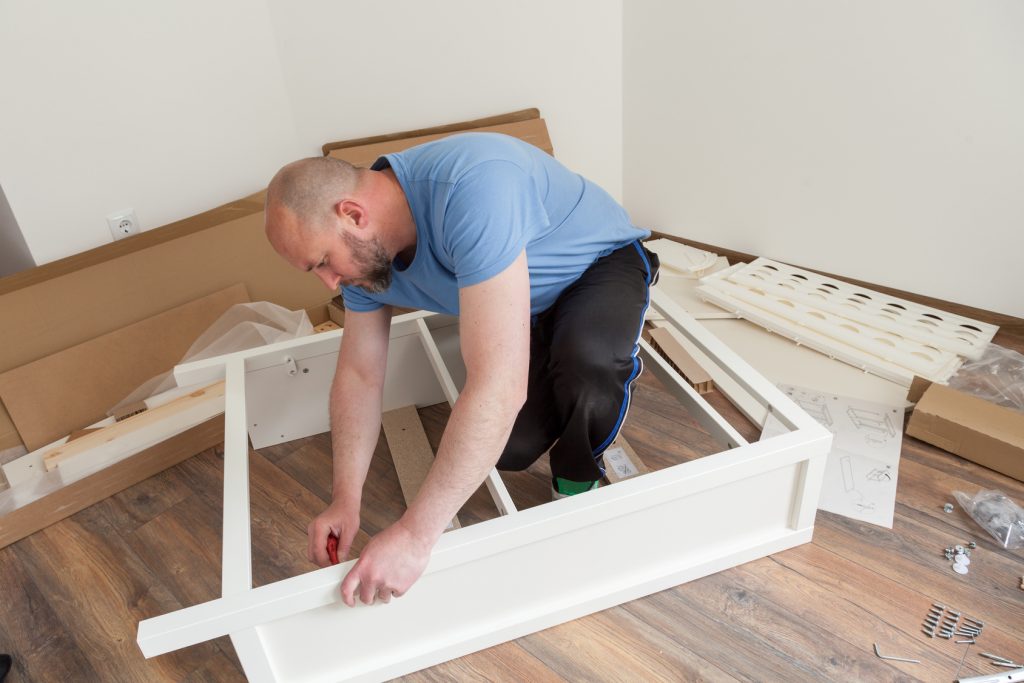
When Professional Assembly Makes More Sense
Not every furniture project needs professional assistance. A small nightstand or basic side table may be manageable for a homeowner with a few tools and some patience.
The situation changes when you're dealing with a large or complicated item.
Professional help can make sense when:
- The furniture has dozens of components.
- Several people are needed to position the pieces.
- The item includes drawers, tracks, or hinges.
- You need multiple pieces assembled at once.
- The furniture must be positioned precisely.
- You are concerned about damaging the item.
- You simply do not have time for a lengthy assembly project.
Swift Fix Handyman Services can help homeowners manage complicated furniture projects by handling the assembly carefully and efficiently, giving residents more time to focus on the rest of their home.
How to Make Assembly Day Easier
Once you've decided to assemble the furniture yourself or bring in professional help, prepare the space before the work begins.
Move unnecessary items away from the assembly area. Make sure there is enough room to lay panels flat and turn larger pieces safely.
Keep pets and young children away from the workspace while small hardware and tools are being used.
It is also helpful to have the furniture's instructions and hardware available. If the box has already been opened, keep all components together rather than moving pieces into different rooms.
For larger furniture, measure doorways, hallways, stairways, and the final placement area ahead of time. Knowing that the completed item will actually fit where you want it can prevent a lot of frustration.
Finding Help for Furniture Projects in Naples
When a project becomes too complicated, many homeowners start searching for Furniture Assembly Near Me to find someone who can handle the work locally.
Proximity is useful, but it should not be the only consideration. Look at the provider's experience, communication, range of services, scheduling, and approach to protecting your home.
If you're specifically searching for Furniture Assembly Naples FL, explain what you're assembling before scheduling the work. Mention the furniture type, approximate size, number of pieces, and whether multiple items need attention.
That information gives the service provider a clearer picture of what the job involves.
Trust Matters When Someone Works Inside Your Home
Furniture assembly may sound straightforward, but homeowners are still trusting another person with a new piece of property and access to their living space.
A dependable service should communicate clearly about the work before starting. Ask about pricing, scheduling, tools, and any additional requirements that may apply to your particular furniture.
It is also reasonable to ask whether the provider has experience with similar products. A person who regularly assembles cabinets, beds, desks, shelving systems, and entertainment centers is more familiar with the small details that can affect the finished result.
Look for a professional who respects the property, works carefully, and leaves the area reasonably clean once the project is finished.
Clear communication is just as valuable as technical ability. If a problem is discovered during assembly, you should be informed rather than having the issue hidden or ignored.
Protecting Your Furniture After Assembly
The job does not end when the final screw is tightened. Take a few minutes to inspect the completed piece.
Check that doors open and close smoothly. Test drawers, shelves, hinges, and moving parts where applicable.
For tall furniture, follow the manufacturer's recommendations regarding wall anchoring. Proper anchoring can be especially important in households with children or pets.
Keep the assembly instructions and any spare hardware in a safe place. If you ever need to move, repair, or disassemble the furniture, those materials may save you considerable trouble.
Frequently Asked Questions
Q 1. What types of furniture can be professionally assembled?
Ans: Common projects include beds, dressers, desks, cabinets, shelving units, entertainment centers, tables, chairs, and other ready-to-assemble furniture.
Q 2. Should I sort furniture hardware before assembly?
Ans: Yes. Separating screws, bolts, brackets, and other components makes the instructions easier to follow and reduces the chance of using the wrong hardware.
Q 3. Can large furniture be assembled in a small room?
Ans: Often, yes, but adequate workspace is important. Clear the area beforehand and confirm that the finished furniture can be moved safely into its intended position.
Q 4. When should I hire a professional for furniture assembly?
Ans: Consider professional assistance when the furniture is large, complicated, time-consuming, or difficult to assemble safely by yourself.
Q 5. What should I do if furniture instructions are unclear?
Ans: Stop before guessing. Review the diagrams, identify the parts involved, and seek assistance if you cannot confidently determine the correct assembly sequence.
Q 6. Should tall furniture be secured after assembly?
Ans: Follow the manufacturer's safety instructions. Tall or top-heavy furniture may require wall anchoring to reduce the risk of tipping.
Finish the Project Without the Frustration
Furniture with a mountain of tiny parts can turn a simple purchase into a surprisingly demanding project. Taking time to organize the hardware, understand the instructions, protect the floor, and check alignment can make a major difference.
When the project is too large, complicated, or time-consuming to tackle alone, professional assistance can take much of the pressure off your shoulders.
For Naples residents who want a practical solution without spending an entire day wrestling with instruction manuals and loose hardware, Swift Fix Handyman Services can help turn complicated furniture projects into a more manageable experience. With professional Furniture Assembly, you can get your new pieces properly put together and ready to use while keeping your time focused on the things that matter most.























Sign in to leave a comment.