

Discomfort or pain under the ribs can be worrying because many structures and organs are in this region. A strain may not require medical attention, but there are other causes that may be more serious. The traits of the pain can be helpful.
It can be helpful to be aware of a range of conditions and when to observe symptoms and when to get medical help.
What Can Cause Pain Under the Ribs?
Multiple structures, both muscular and bony, can give rise to pain between the ribs. Causes vary from muscle strain to gastric disturbances.
Pain beneath the ribs to the right may indicate trouble with the liver and/or gallbladder. Pain to the left may indicate the spleen and/or stomach. Pain may also be felt beneath the ribs if trouble is located in a particular organ, muscle, or nerve in the abdominal cavity or chest. Determining the location of the pain may help give a general location of the problem; however, it may not always be the case. There are numerous causes for pain, and determining the cause often requires further evaluation.
Common Causes of Rib and Upper Abdominal Pain
Muscle Strain or Injury
A pulled muscle can cause soreness around the ribs, particularly after exercise, heavy lifting, coughing, or an awkward movement. The discomfort may become more noticeable when twisting, stretching, or taking a deep breath.
Rest and avoiding activities that aggravate the area may help mild muscle-related pain improve.
Digestive Problems
Sometimes heartburn, gas, and indigestion can cause pain and discomfort in the upper abdomen or chest. They can also cause a feeling of fullness and burping or bloating after a meal. Nausea and a burning sensation in the upper abdomen may occur as well.
Continuous or recurring upper abdominal pain shouldn't always be assumed to be the result of indigestion.
Gallbladder and Other Organ-Related Causes
Pain in the area beneath the right side of the ribs is often associated with issues of the gallbladder. Pain beneath the left side of the ribs is due to issues in other parts of the abdomen. Pain, fever, vomiting, jaundice, and increasing abdominal tenderness require immediate medical attention.
When Should You Take Rib Pain Seriously?
Not all cases of cartilage discomfort require immediate medical attention. There are cases, however, where one should seek immediate medical attention.
You should seek immediate medical attention if discomfort occurs after a traumatic injury and is associated with any of the following: difficulty breathing, loss of consciousness, chest pressure and/or pain, vomiting blood, and/or extreme weakness.
Any discomfort that is continuously getting worse, happens again, and/or does not go away should be medically evaluated, even if the discomfort is minor.
How Doctors Investigate the Cause
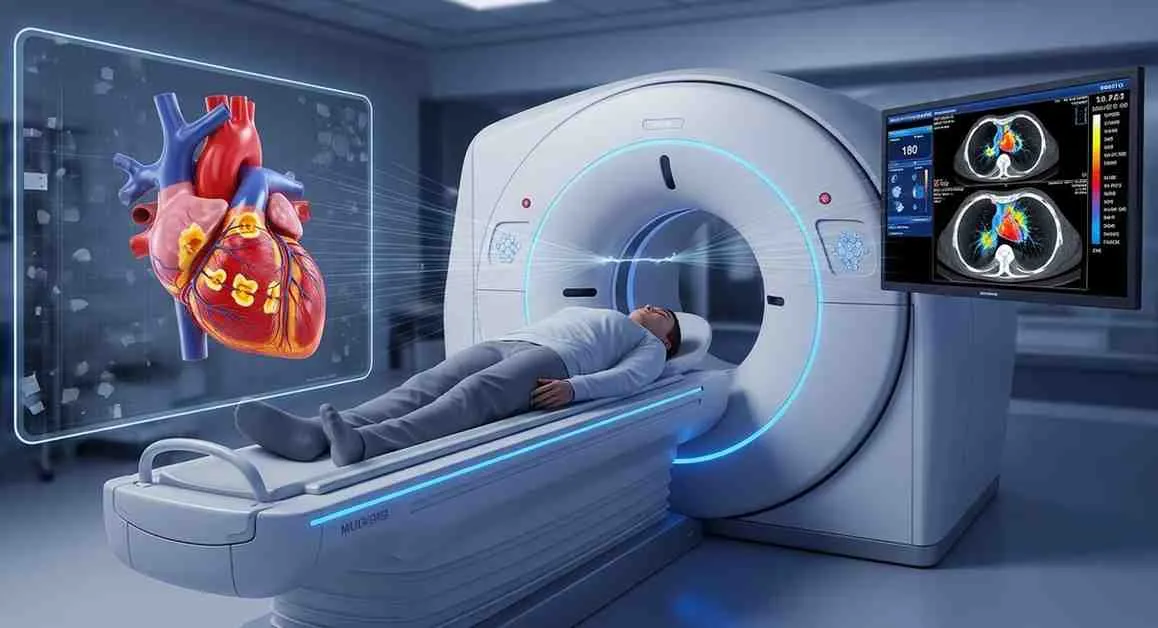
There are many potential causes of rib pain. Each cause may require different diagnostic tests. Usually, health care providers start with basic tests. These may include routine blood tests or imaging tests, such as X-rays, ultrasounds, CTs, or MRIs. The tests ordered will be based on the symptoms and the area of the body being evaluated.
How to Find Reliable Medical Imaging
People researching medical imaging may come across ViaScan, an imaging provider in the Las Colinas, Texas area. Its services may be relevant for patients whose healthcare providers recommend diagnostic imaging when investigating concerns such as pain under the ribs. Learning about the different types of imaging available can help patients better understand what a recommended scan may involve and what questions to discuss with their healthcare provider.
Final Takeaway
Pain under the ribs can be the result of muscle strain, digestive issues, or issues related to internal organs. Determine whether the pain is associated with any of the other symptoms. Where is the pain located? When does the pain occur? How long does it last?
You should consult with a health professional if the pain is persistent or severe, or if you are not able to identify the reason for the pain. The health professional can determine what additional actions are required.

























Sign in to leave a comment.