

When temperatures drop, most homeowners are focused on staying warm and comfortable. Unfortunately, pests have the same idea. As outdoor conditions become colder, mice, rats, cockroaches, spiders, and other unwanted visitors may start looking for a warmer place to shelter.
Your home can provide everything pests need during winter: warmth, food, water, and plenty of hidden spaces. The good news is that a few simple preventive steps can make your home much less inviting.
If you're wondering how to Prevent Winter Pests before they become a bigger problem, the key is to focus on stopping them from getting inside in the first place.
Why Do Pests Come Inside During Winter?
Cold weather changes pest behavior. Some insects look for protected areas where they can survive the winter, while rodents actively search for warm places with reliable food and shelter.
Mice, for example, can enter through surprisingly small openings. Once inside, they may hide behind walls, in attics, basements, garages, or other quiet areas. Insects can also take advantage of cracks around windows, doors, foundations, pipes, and other openings.
This is why winter pest prevention should begin before you notice obvious signs of an infestation. Prevention is generally easier than trying to remove an established pest problem.
1. Inspect Your Home for Entry Points
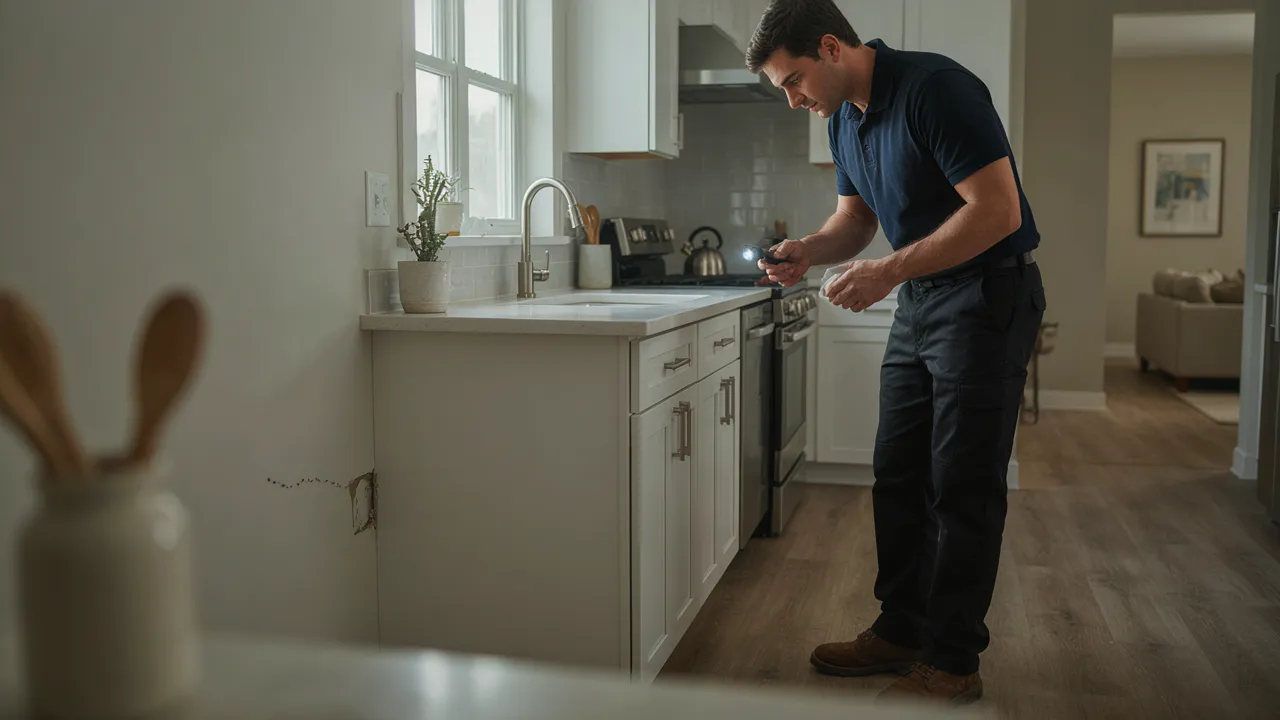
One of the most important things you can do to Keep Pests Out in Winter is inspect the exterior of your home.
Walk around your property and look for cracks, holes, gaps, and damaged areas that pests could use as entry points. Pay particular attention to:
- Cracks around windows and doors
- Gaps around utility pipes and wiring
- Openings around the foundation
- Damaged screens and vents
- Gaps beneath exterior doors
- Cracks around garages and basement windows
- Openings around roof vents and chimneys
The EPA recommends sealing cracks and openings and using appropriate materials to block potential rodent entry points. Even relatively small gaps can provide access for mice.
Caulk, weatherstripping, door sweeps, and appropriate mesh materials can help close many common openings.
2. Keep Your Kitchen Clean
Food is one of the biggest reasons pests stay inside a home.
During winter, don't give rodents or insects an easy meal. Store dry foods, cereals, pet food, and other pantry items in tightly sealed containers. Clean crumbs and spills promptly, and avoid leaving dirty dishes sitting in the sink overnight.
Garbage should also be kept in containers with secure lids and emptied regularly.
The EPA recommends reducing access to food and water as part of preventing pest infestations.
A clean kitchen doesn't guarantee that pests will never appear, but it removes some of the resources that make your home attractive to them.
3. Fix Leaks and Reduce Moisture
Food isn't the only thing pests need. Water is another major attraction.
Check underneath sinks, around toilets, near appliances, and anywhere plumbing enters your home. Repair dripping faucets and leaking pipes as soon as possible.
Basements and other areas with excess moisture should also be inspected regularly. Damp conditions can make a home more appealing to certain insects.
Simple maintenance such as fixing leaks, improving ventilation, and keeping wet areas dry can support effective Winter Home Pest Prevention.
4. Declutter Basements, Garages, and Storage Areas
Winter often means spending more time indoors, while garages, basements, attics, and storage rooms can become neglected.
Unfortunately, clutter gives pests places to hide.
Cardboard boxes, newspapers, paper bags, piles of clothing, and other stored materials can provide shelter for insects and rodents. The EPA specifically recommends reducing clutter because these materials can create hiding and nesting places for pests.
Whenever possible, organize storage areas and keep items off the floor. Consider using sealed plastic storage containers instead of piles of cardboard boxes.
5. Don't Forget About Your Garage and Outdoor Areas
Your home's exterior can also influence what's happening indoors.
Keep firewood, leaves, and other organic debris away from the foundation when practical. Clean up food scraps and avoid leaving pet food outdoors overnight.
Garages deserve special attention because doors may not seal tightly, creating an easy route into the home. Check the garage door seal and look for gaps along the walls and foundation.
Rodent prevention also involves removing potential food, water, and shelter sources around the property.
6. Watch for Early Signs of Pest Activity
Even with good prevention, it's important to know what warning signs to look for.
For rodents, common signs can include droppings, gnaw marks, nesting materials, damaged food packaging, scratching sounds, or unusual odors.
For insects, you might notice live or dead bugs around windows, doors, kitchens, basements, or storage areas.
Don't ignore these signs simply because you only see one or two pests. Early activity can be easier to address before the problem grows.
7. Be Careful About Bringing Pests Inside
Sometimes pests don't enter through a hole in the wall. They can arrive with items brought into the house.
Check cardboard boxes, grocery bags, packages, firewood, and stored belongings before bringing them indoors. This is especially useful when moving items from a garage, basement, storage unit, or another location.
The EPA also recommends checking packages and boxes for pests before carrying them into your home.
When Should You Call a Pest Control Professional?
If you continue seeing pests despite taking preventive measures, there may be an underlying problem that isn't obvious.
A professional pest control inspection can help identify entry points, nesting areas, and conditions that may be contributing to recurring activity. Instead of simply treating the pests you can see, a professional can help address the source of the problem.
For Chicago homeowners, preparing your home before and during the colder months can make a meaningful difference in keeping unwanted pests outside.
Keep Your Home Comfortable for You — Not Pests
Winter doesn't have to mean sharing your home with unwanted visitors. Sealing entry points, keeping food properly stored, fixing leaks, reducing clutter, and checking for early warning signs can all help Prevent Winter Pests.
The goal isn't just to react when you see a mouse or insect. Effective Winter Home Pest Prevention is about making your home less accessible and less attractive to pests throughout the season.
If pest activity continues or you suspect an infestation, professional help can provide a more thorough solution. Taking action early can help protect your home and give your family greater peace of mind throughout the winter.




























Sign in to leave a comment.