

Keeping live bait healthy throughout a fishing trip can make a major difference in how effectively anglers present bait in the water. Minnows, shrimp, and other live bait can become stressed when water quality changes, oxygen levels fall, or the holding environment becomes too warm. A well-maintained livewell can help create a more stable environment and keep bait active for longer periods.
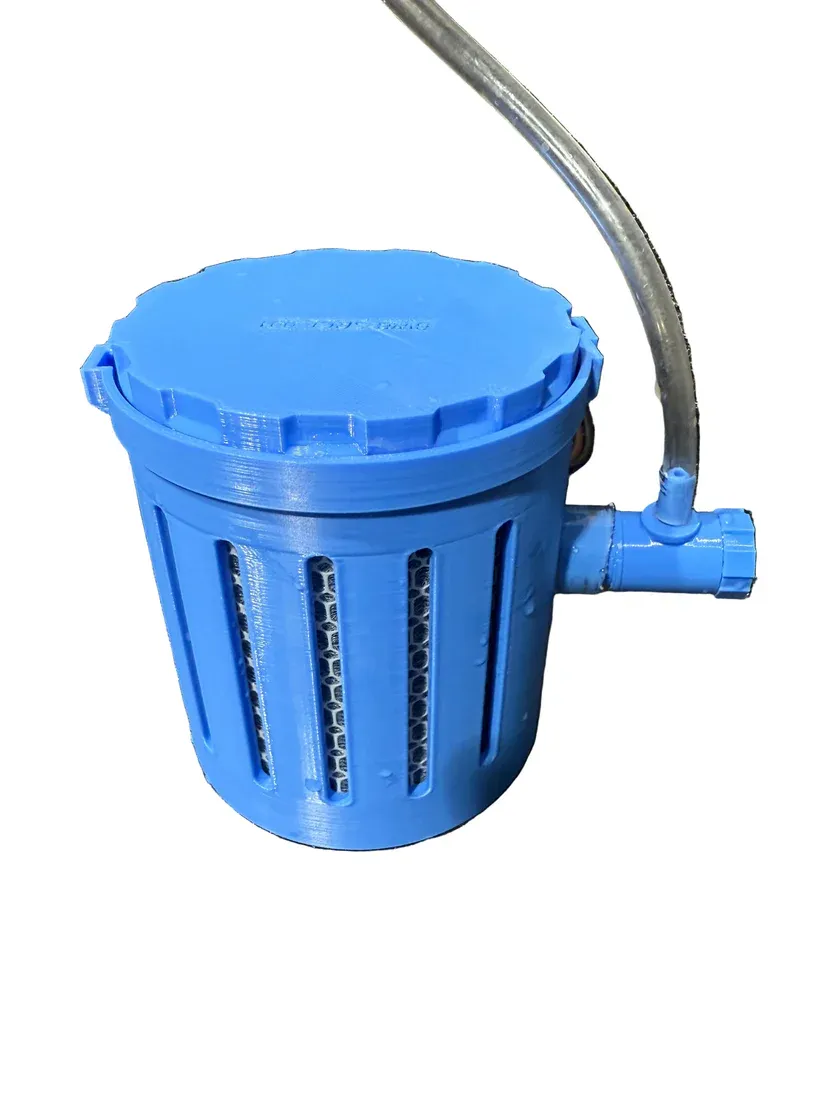
For anglers who rely on live bait, BaitWell Buddy offers solutions designed to support cleaner livewell water and better bait management. Using proper filtration, circulation, and aeration can help create conditions that are more suitable for keeping bait lively during trips in both freshwater and saltwater environments.
1. Start With Clean Water
Water quality is one of the most important factors affecting live bait. Dirty or polluted water can quickly create an unhealthy holding environment.
Before adding bait, make sure the livewell is clean and ready. Avoid introducing unnecessary debris, leftover bait, or contaminants that could affect the water.
Good preparation includes:
- Rinsing the livewell before use
- Removing old debris
- Checking water circulation
- Ensuring pumps are operating properly
- Using clean water appropriate for the bait species
Starting with a clean environment gives bait a better chance of remaining active.
2. Maintain Proper Water Temperature
Temperature changes can stress live bait. Water that becomes too warm may reduce comfort and oxygen availability, particularly during hot weather.
Anglers should try to:
- Keep the livewell away from unnecessary heat sources.
- Monitor water temperature during long trips.
- Avoid repeatedly replacing water with water that is dramatically different in temperature.
- Keep the livewell shaded when possible.
Stable water conditions are generally preferable to sudden temperature changes.
3. Maintain Good Oxygen Levels
Oxygen is essential for live bait. When multiple baitfish are placed in a confined space, oxygen can be consumed quickly.
An effective aeration system can help maintain water movement and oxygen availability.
Check that:
- The aerator is working correctly.
- Water is circulating continuously.
- Air or water flow reaches the holding area.
- The pump is appropriate for the size of the livewell.
- Equipment is inspected before leaving for a trip.
Keeping oxygen levels stable can help reduce unnecessary stress.
4. Control Waste and Contaminants
Live bait produces waste, and uneaten food or debris can also accumulate in the water. If waste remains in the livewell, water quality can deteriorate.
A filtration system can help manage unwanted particles and improve the overall condition of the water.
Simple practices include:
- Avoiding excessive bait density
- Removing dead bait promptly
- Limiting unnecessary debris
- Checking filters regularly
- Maintaining water movement
Cleaner water can create a more comfortable environment for active bait.
5. Avoid Overstocking the Livewell
Putting too much bait into one livewell can quickly create problems. More bait means greater demand for oxygen and more waste production.
Before loading the livewell, consider:
- Number of baitfish
- Size of the bait
- Livewell capacity
- Water volume
- Aeration capacity
- Trip duration
A reasonable stocking level can make it easier to maintain stable water conditions.
6. Handle Bait Carefully
Physical handling can also stress live bait. Avoid unnecessary transfers and excessive contact with the fish or other bait.
When handling bait:
- Use a suitable bait net.
- Keep handling time short.
- Avoid dropping bait into the livewell.
- Minimize repeated transfers.
- Return bait to the water quickly.
Gentle handling helps maintain the condition of the bait.
7. Monitor the Livewell During the Trip
Do not assume that the livewell will remain in perfect condition for the entire trip. Regular checks can help identify potential problems before bait becomes weak.
Look for signs such as:
- Bait staying near the surface
- Slow movement
- Crowding around water inflow
- Unusual water odor
- Excessive debris
- Failed circulation
Early attention can help prevent a small equipment or water-quality issue from affecting the entire bait supply.
8. Maintain Your Equipment
Livewell pumps, filters, tubing, and aeration components should be inspected regularly. A small equipment failure can quickly affect water quality during a fishing trip.
Create a simple maintenance routine:
- Inspect pumps before each trip.
- Clean filters regularly.
- Check hoses for blockages.
- Test aeration systems.
- Replace damaged components.
- Rinse equipment after use.
Regular maintenance helps keep the livewell system dependable when it matters most.
9. Keep Species-Specific Needs in Mind
Different types of live bait can have different environmental requirements. Before a trip, understand the general conditions your bait prefers.
Consider:
- Freshwater or saltwater requirements
- Temperature preferences
- Oxygen needs
- Recommended stocking levels
- Sensitivity to water changes
Understanding these requirements can help anglers provide a more suitable environment.
10. Build a Consistent Live Bait Routine
Successful bait care is usually the result of several small practices working together. Clean water, proper aeration, filtration, sensible stocking, and careful handling can collectively support healthier bait.
A practical routine can be:
- Prepare the livewell before departure.
- Check pumps and aeration.
- Add bait carefully.
- Monitor water quality throughout the trip.
- Remove dead or damaged bait.
- Inspect equipment during extended outings.
- Clean the system after returning.
Consistency makes bait management easier and more predictable.
Conclusion
Keeping live bait healthy requires attention to the environment in which it is stored. Clean water, stable temperatures, sufficient oxygen, effective filtration, proper stocking, and careful handling can all contribute to a better livewell environment.
For anglers who want to improve their bait-management setup, BaitWell Buddy can be part of a practical approach to maintaining cleaner, better-circulated livewell water. By combining reliable equipment with consistent maintenance habits, anglers can help keep live bait active and ready throughout the fishing trip.
























Sign in to leave a comment.