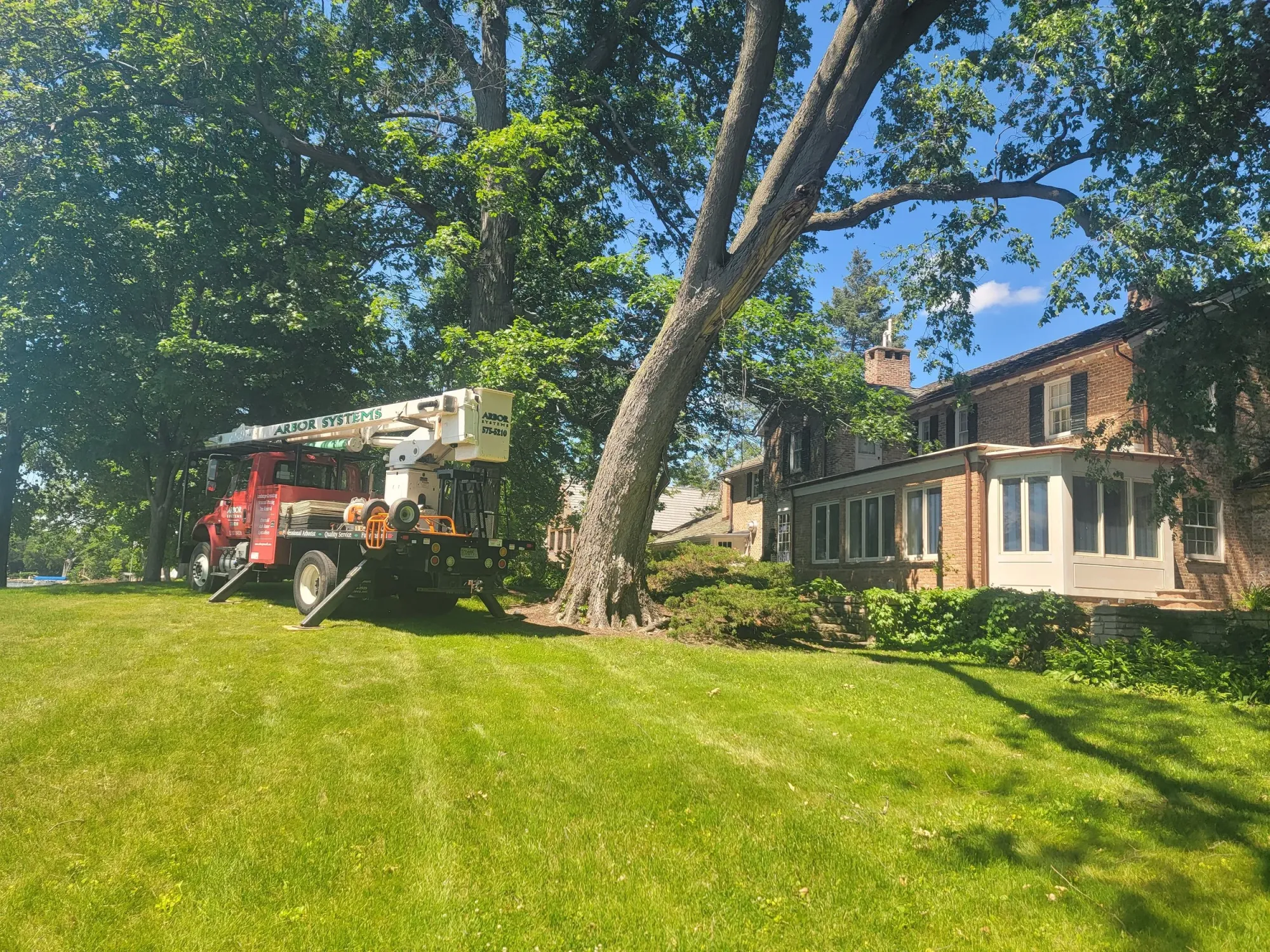

Mature trees can add shade, beauty, privacy, and lasting value to a property, but they also need regular attention as they age. A Madison WI arborist can help homeowners identify structural problems, disease symptoms, weak branches, and other risks before they become serious. Proper care is especially important in Madison, where trees may face strong winds, winter ice, heavy snow, changing moisture levels, and seasonal pests. With routine inspections and responsible maintenance, mature trees can remain healthy and safe for many years.
Why Mature Trees Need Regular Care and Inspection
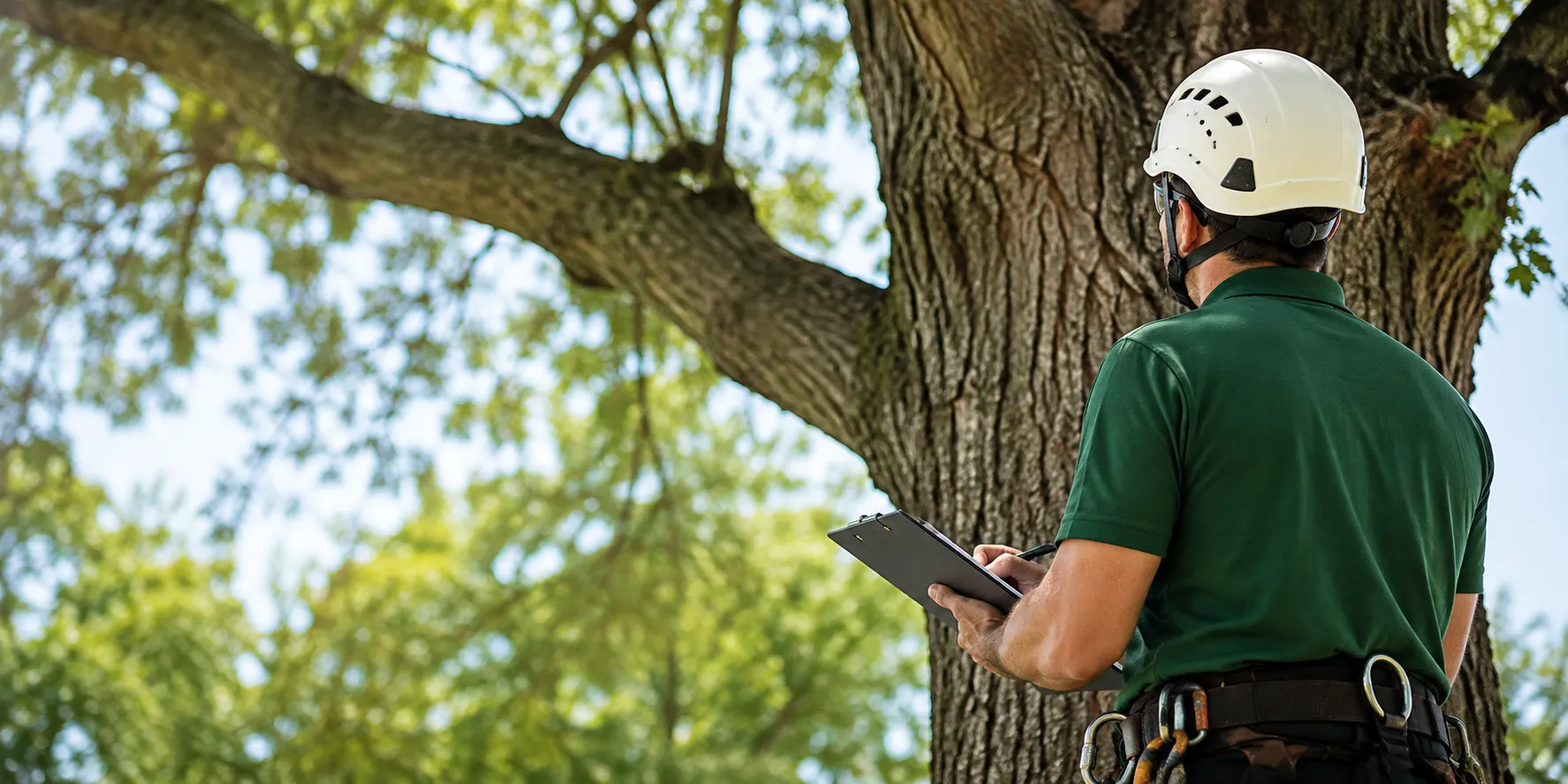
A mature tree may look strong from the ground while developing problems that are difficult for an untrained homeowner to notice. Dead branches, cavities, trunk damage, root problems, weak branch unions, and thinning foliage can develop gradually. Regular inspections allow these concerns to be identified before they lead to falling branches or declining tree health. UW-Madison Extension recommends professional arborist assistance when large trees have structural concerns, storm damage, nearby buildings, utility lines, or signs of disease and decline.
Professional inspections are also useful because mature trees have large crowns and extensive root systems. Looking only at visible branches does not provide a complete picture of tree condition. A qualified professional can evaluate the trunk, major limbs, canopy, root-zone conditions, and surrounding property to determine whether maintenance is needed.
How Proper Pruning Supports Mature Tree Health
Pruning is one of the most important parts of mature tree maintenance, but removing branches without a clear purpose can create unnecessary problems. Proper pruning can improve structure, remove dead or damaged limbs, provide clearance, and reduce potential hazards. However, aggressive practices such as topping can weaken a tree and are not recommended. UW-Madison Extension specifically identifies topping as an improper pruning technique.
The timing and method of pruning also matter. Pruning creates wounds where disease-causing organisms can potentially enter. Wisconsin horticulture guidance notes that winter pruning can reduce the risk of certain pathogen infections because disease organisms are generally less active during colder, drier conditions. For large or difficult-to-reach branches, homeowners should consider professional tree care rather than attempting the work themselves.
Protect the Root Zone From Damage and Compaction
Healthy roots are essential for keeping mature trees stable and supplying water and nutrients. Yet roots can be damaged without obvious warning. Digging, construction, soil compaction, lawn equipment, and repeated traffic around the tree can affect the root system and eventually contribute to canopy decline. UW-Madison Extension recommends protecting the entire root zone rather than focusing only on the area immediately around the trunk.
Homeowners should avoid parking vehicles, storing heavy materials, or performing unnecessary excavation beneath mature tree canopies. Lawn mowers and string trimmers should also be kept away from the trunk because repeated bark injuries can damage the tree's vascular system. Creating a suitable mulched area around the tree can help reduce mechanical damage and competition from grass.
Watch for Disease, Pests, and Canopy Changes
Changes in leaves, branches, bark, and overall canopy density can provide early clues that a mature tree is under stress. Symptoms may include unusual leaf discoloration, premature leaf loss, dead branches, thinning in the canopy, wounds, fungal growth, oozing areas, or sections of the crown that suddenly stop producing healthy foliage. Some problems are caused by insects or diseases, while others may result from drought, root damage, soil problems, or previous injuries.
Madison homeowners should pay particular attention after periods of environmental stress. The City of Madison has noted that severe defoliation can place additional stress on mature trees because producing replacement leaves requires significant energy. Keeping trees from experiencing unnecessary stress can support their ability to recover. A tree service Wisconsin provider with appropriate arboricultural knowledge can help determine whether visible symptoms require treatment, pruning, monitoring, or further evaluation.
Reduce Storm Risks Before Severe Weather Arrives
Strong winds, ice, and heavy snow can expose structural weaknesses in mature trees. Large dead branches, decay, weak branch attachments, trunk defects, and previously damaged limbs may become more hazardous during severe weather. Inspecting trees before storm season gives homeowners an opportunity to address obvious concerns rather than waiting for a branch to fail.
After a storm, avoid standing beneath hanging or broken branches. UW-Madison Extension recommends professional assistance when storm-damaged trees are large, located near structures, or have difficult-to-reach damaged limbs. Broken branches should be properly pruned rather than cut flush against the trunk, because incorrect cuts can create additional damage.
Keep Mature Trees Clear of Buildings and Walkways
Tree safety is not only about protecting the tree itself. Mature branches can interfere with houses, garages, sidewalks, driveways, streets, and other structures. The City of Madison requires property owners to maintain private-property trees and remove or trim diseased, dying, and dead trees or branches. It also specifies clearance requirements for branches extending over sidewalks and streets.
Regular clearance inspections can help identify branches that are growing toward a roof, rubbing against a structure, blocking visibility, or extending into areas used by pedestrians and vehicles. Maintaining appropriate clearance also reduces the likelihood that a small tree problem will become an expensive property issue.
When to Hire a Certified Arborist Near Me for Help
Homeowners do not need to wait until a tree becomes dangerous before seeking professional advice. A certified arborist near me can be particularly valuable when a mature tree is large, leaning, declining, storm-damaged, close to a building, or growing near utility lines. Professional evaluation is also useful when roots are affecting pavement or when the cause of declining leaves or branches is unclear.
Choosing an experienced professional is important because tree work involves both specialized knowledge and significant safety risks. HH Accurate Arborists can help property owners approach mature-tree maintenance with a focus on health, structure, safety, and long-term care rather than simply removing branches when a problem appears.
Build a Long-Term Tree Care Plan for Your Property
Mature trees benefit from planned maintenance rather than occasional emergency work. A useful care plan can include periodic inspections, appropriate pruning, monitoring for pests and disease, protecting the root zone, checking for storm damage, and maintaining safe clearance around structures. Keeping records of major pruning, visible symptoms, and previous storm damage can also make future tree assessments more useful.
A proactive tree service Dane County homeowners can rely on should focus on preserving healthy trees whenever practical while addressing genuine safety concerns. The goal is not to remove every branch that looks imperfect, but to understand the tree's condition and provide the appropriate care at the right time.
Frequently Asked Questions About Mature Tree Care
How often should mature trees receive a professional inspection?
There is no single inspection schedule that fits every mature tree because species, age, location, health, and exposure to weather all differ. However, periodic professional assessments are useful, especially after major storms or when homeowners notice changes in the canopy, trunk, branches, or root area.
What are the clearest signs a mature tree is struggling?
Common warning signs include dead or declining branches, thinning foliage, unusual leaf discoloration, cracks, cavities, fungal growth, damaged bark, leaning, and significant changes in normal growth. Some symptoms can have several possible causes, so professional evaluation may be needed to determine the underlying problem.
Is it safe to prune large mature trees myself?
Large-tree pruning can be dangerous because branches may be heavy, unstable, or difficult to control. The risk increases when work requires climbing, ladders, specialized equipment, or proximity to electrical lines. For these situations, professional arborist assistance is the safer choice.
Should storm-damaged branches be removed immediately?
Hazardous hanging branches should be addressed promptly, but homeowners should avoid approaching unstable trees or large broken limbs themselves. Storm-damaged trees near buildings, roads, sidewalks, or utility lines should be assessed by a qualified professional.
Can proper maintenance extend the life of mature trees?
Yes. Regular monitoring, appropriate pruning, protection from root and trunk damage, early identification of disease or pest problems, and attention to storm-related risks can help maintain tree health and reduce preventable damage. Good maintenance focuses on supporting the tree before a minor concern develops into a major structural or health problem.























Sign in to leave a comment.