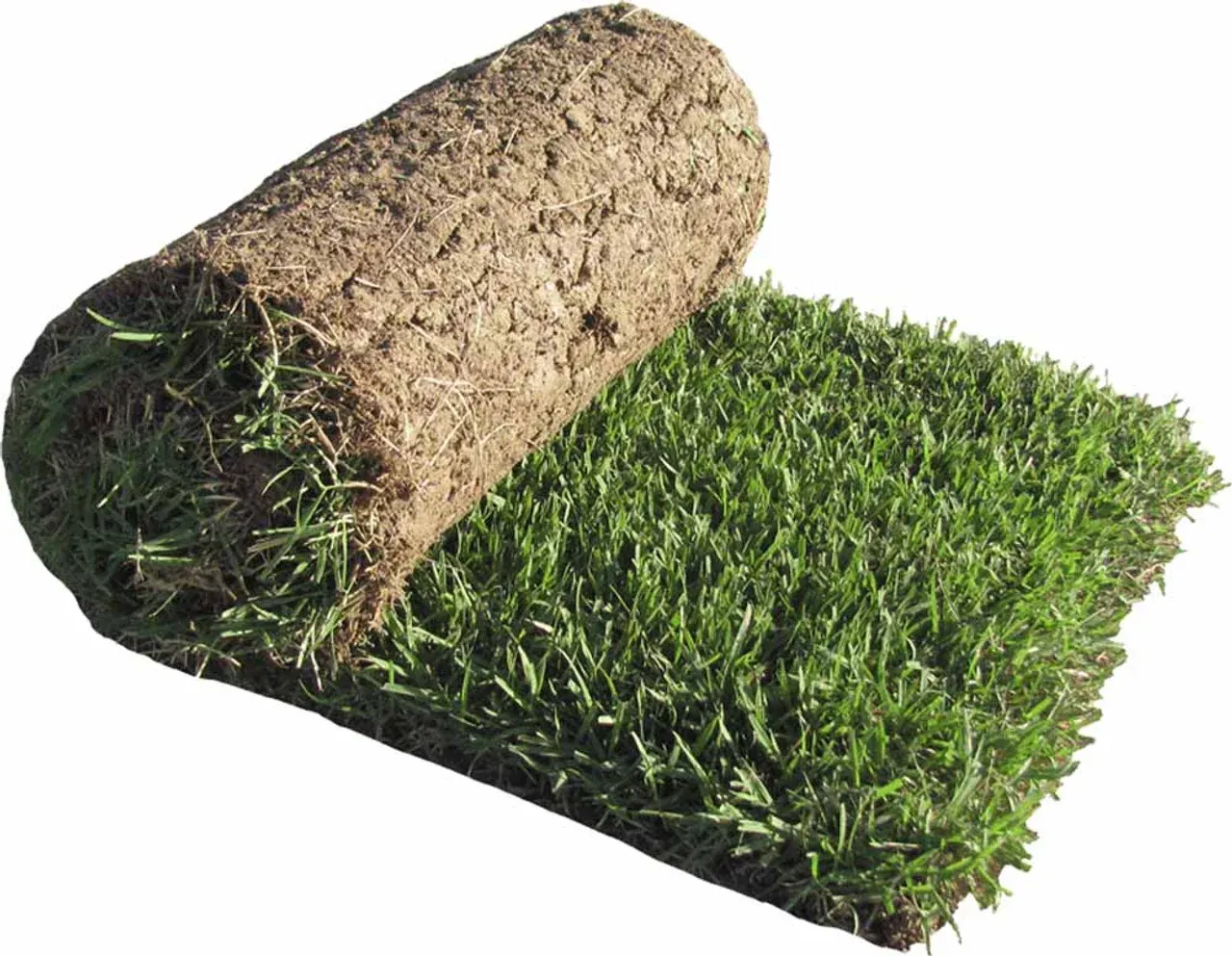

Freshly installed sod can make a yard look completely different in just one day. But laying the sod is only the beginning. The first few weeks are especially important because the new Zoysia grass is still working to grow roots into the soil below.
With the right watering, mowing, feeding, and daily care, your new lawn can settle in well and become thicker and stronger over time. If you have recently installed Zoysia sod in Jacksonville, FL, a simple care routine can help protect your investment and give the grass a healthy start.
Start With Proper Watering
Water is one of the most important things your new sod needs. Fresh sod has limited roots, so it cannot pull much moisture from deeper soil yet.
During the early stage, the goal is to keep the soil under the sod moist without leaving it constantly soaked.
For the first couple of weeks:
- Check the soil each day, especially during warm or dry weather.
- Water enough to keep the sod and the soil beneath it moist.
- Pay close attention to edges and corners, which can dry out faster.
- Avoid letting water sit on the lawn for long periods.
- Adjust watering after rain so the lawn does not receive more water than needed.
A simple test can help. Gently lift a corner of the sod. If the soil underneath feels dry, the lawn may need more water. If it is very wet or muddy, cut back on watering.
As the roots begin to grow deeper, gradually move toward deeper and less frequent watering.
Give the Roots Time to Settle
It can be tempting to walk across a brand-new lawn because it looks ready to use. Try to limit foot traffic during the early establishment period.
New Zoysia sod needs time to connect with the soil underneath. Too much walking, playing, moving equipment, or placing heavy objects on the lawn can disturb that connection.
For the first few weeks:
- Keep unnecessary foot traffic low.
- Avoid dragging furniture or equipment across the sod.
- Keep pets from repeatedly using the same area.
- Watch for loose sections and gently reposition them if needed.
Think of this period as the lawn's settling-in stage. Giving it some peace now can make maintenance easier later.
Know When to Mow
New sod should not be mowed simply because it has started growing. The roots need time to establish first.
Before the first mowing, make sure the grass has started rooting into the soil. A gentle tug on a corner can help you check whether the sod stays firmly in place.
When it is ready:
- Use a sharp mower blade.
- Never remove too much grass at once.
- Keep the mower from tearing or pulling up the sod.
- Mow when the grass is dry enough to avoid creating ruts.
- Follow the recommended mowing height for your specific Zoysia variety.
A good rule is to remove no more than about one-third of the grass height in a single mowing. Cutting too much at once can put unnecessary stress on young grass.
Do Not Rush Into Fertilizing
More fertilizer does not automatically mean faster or healthier growth. New sod already has limited root development, and adding too much fertilizer can create problems.
Before applying anything, find out whether starter fertilizer was used during installation. Then follow the product directions and consider the needs of your soil and grass variety.
A soil test can also provide useful information about nutrient levels.
Avoid guessing when it comes to fertilizer. A simple, measured approach is usually better than repeatedly adding products because the lawn does not look perfect yet.
Watch for Drainage Problems
Jacksonville's weather can bring periods of heavy rain as well as hot, dry conditions. Both can affect newly installed sod.
Poor drainage can leave roots sitting in excess water, while dry areas can cause the grass to wilt or pull away from the soil.
Walk around your lawn after watering or rainfall and look for:
- Water that remains in one area
- Muddy or soft sections
- Areas where water runs off instead of soaking in
- Grass that looks stressed even after watering
- Gaps developing between sod pieces
These signs can point to watering or drainage issues that need attention.
Keep an Eye on the Grass
Your lawn will communicate when something is wrong. You just need to know what to look for.
Healthy new Zoysia should gradually begin looking more firmly established. If you notice widespread browning, thinning, unusual spots, standing water, or areas that repeatedly dry out, take a closer look.
Do not automatically assume that brown grass means it needs more water. Too much water, poor drainage, disease, mowing stress, and other issues can also affect its appearance.
Check the soil and the surrounding conditions before changing your care routine.
Be Patient With Bare Spots and Seams
New sod may not look perfectly seamless right away. Small gaps between pieces can be noticeable after installation, and some areas may establish faster than others.
This does not always mean something went wrong.
With proper moisture and growing conditions, Zoysia can gradually spread and fill in. Avoid constantly pulling at seams or disturbing the grass to check its progress.
Instead, give the lawn consistent care and monitor changes over time.
Build a Simple Long-Term Routine
Once the sod has established, lawn care becomes more about consistency than constant attention.
A simple routine can include:
- Watering based on weather and soil conditions
- Mowing at the proper height
- Keeping mower blades sharp
- Monitoring for weeds and lawn problems
- Applying fertilizer only when needed
- Checking drainage after heavy rain
- Watching for areas that become unusually dry or wet
This routine can help your Zoysia lawn stay healthy without turning lawn care into a daily chore.
Summing Up:
Installing Zoysia grass sod in Jacksonville, FL is an important step toward creating a healthy lawn, but what happens afterward matters just as much. New sod needs steady moisture, limited traffic, careful mowing, sensible feeding, and enough time to establish its roots.
You do not need to make lawn care complicated. Pay attention to the soil, respond to weather changes, and give the grass time to settle. With consistent care during those early weeks, your new Zoysia lawn can develop into a thicker, stronger lawn that is easier to maintain for years to come.


























Sign in to leave a comment.