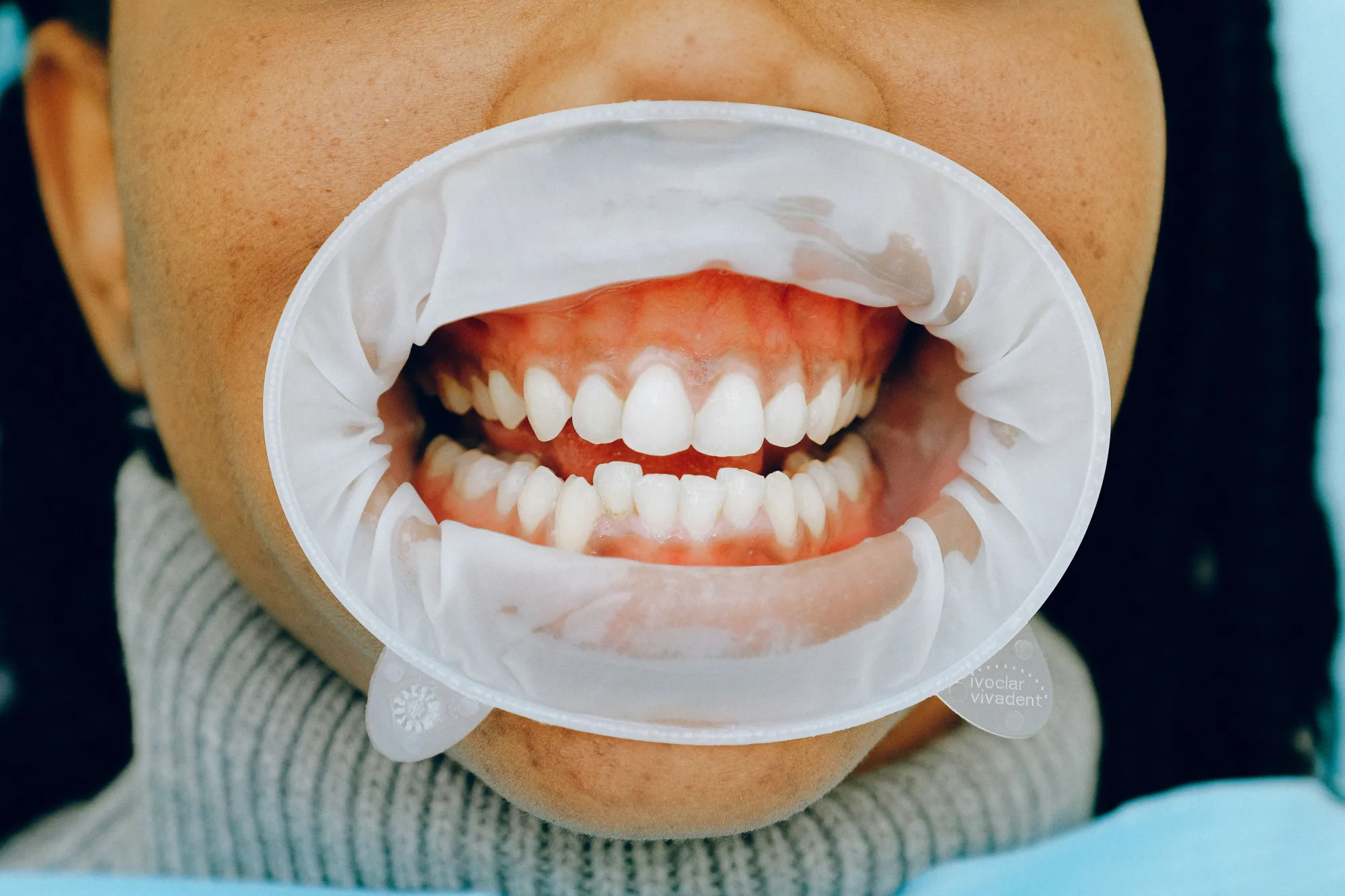

Are you putting off dental care because you're worried about the cost? Many people assume that maintaining a healthy smile requires expensive treatments and frequent visits to the dentist, but that's not necessarily true. With the right approach and some practical habits, you can protect your teeth and gums without draining your savings account. The key is understanding where to invest your money wisely and which preventive measures deliver real value.
1. Master Your Daily Brushing and Flossing Routine
The foundation of affordable dental health starts at home with consistent brushing and flossing. Brushing twice daily with a fluoride toothpaste removes food debris and plaque buildup that leads to cavities and gum disease. You don't need to spend a fortune on a toothbrush, as a basic manual brush or an inexpensive electric option works just as well as premium brands. The technique matters more than the product you choose. Hold your toothbrush at a 45-degree angle to your gums and use gentle, circular motions rather than aggressive scrubbing, which can damage your enamel over time.
Flossing is equally important but often overlooked because people find it inconvenient or uncomfortable. Regular flossing removes plaque and food particles from between your teeth where a toothbrush cannot reach, preventing cavities that would require expensive fillings. You don't need specialized flosses or water flossers to get results. A simple, inexpensive string floss is effective when used daily. Making flossing a habit takes time, but starting with just a few teeth and gradually building up to your entire mouth makes the routine more manageable.
2. Choose Fluoride Products and Skip the Extras
Fluoride is one of the most cost-effective tools for preventing tooth decay. A fluoride toothpaste costs just a few dollars per tube and provides significant protection against cavities. If your local water supply contains fluoride, your teeth receive additional protection simply by drinking tap water, which is another budget-friendly advantage. This combination of fluoride from toothpaste and water can dramatically reduce your cavity risk without requiring special treatments.
Many dental products marketed as premium or specialty items offer minimal additional benefit compared to basic options. Whitening strips, fancy mouthwashes with added claims, and expensive electric toothbrushes often deliver results similar to their affordable counterparts. Instead of investing in these extras, focus your money on the fundamentals like fluoride toothpaste and basic floss. A simple antimicrobial mouthwash can support gum health, but it should complement brushing and flossing rather than substitute for them.
3. Prioritize Regular Dental Checkups Over Emergency Visits
Visiting your dentist twice per year for routine checkups and cleanings might seem like an expense you can skip, but this preventive care is actually the most affordable way to maintain your smile. During these visits, your dentist identifies small problems like early-stage cavities or gum disease before they become serious and expensive. A simple filling costs far less than a root canal, crown, or extraction, which become necessary when cavities are left untreated.
Emergency dental visits are significantly more expensive than preventive care because they address problems that have already caused pain or damage to your tooth structure. A sudden toothache often means you need urgent treatment that may not be fully covered by insurance. By catching issues early through regular checkups, you avoid the pain, time away from work, and high costs associated with emergency procedures. When a more complex issue such as an impacted wisdom tooth or damaged tooth structure requires specialist intervention, patients who work with a reliable oral surgeon in Long Beach can receive a professional assessment before problems escalate into far costlier procedures. Many dental offices offer discounted cleaning packages or membership plans for uninsured patients, making routine care even more affordable.
4. Maintain a Tooth-Friendly Diet and Habits
What you eat and drink directly impacts your dental health and your wallet. Sugary foods and drinks feed the bacteria in your mouth that produce acid and cause cavities. Limiting candy, soda, and other sugary snacks naturally reduces your cavity risk and eliminates the need for fillings down the road. Water is the best beverage for your teeth because it has no sugar and helps rinse away food particles and acids throughout the day.
Beyond avoiding sugar, certain dietary choices actively strengthen your teeth. Foods rich in calcium, such as milk, cheese, and leafy greens, support tooth structure and bone health. Crunchy fruits and vegetables like apples and carrots act as natural cleansers that help remove plaque. These foods are often inexpensive and provide benefits far beyond dental health. Additionally, avoiding habits like smoking and excessive alcohol use protects both your oral health and your overall wellbeing, reducing the likelihood that you'll need costly dental restorations or periodontal treatment.
5. Explore Low-Cost Dental Care Options in Your Area
If cost remains a barrier to regular dental care, several affordable options exist in most communities. Community health centers and dental schools often provide services at reduced rates because their primary focus is patient education and access rather than profit. Dental schools offer cleanings and basic procedures performed by students under the direct supervision of licensed dentists, typically at half the standard price. Some nonprofit organizations and government programs assist low-income individuals through subsidized dental services.
Insurance options also vary in cost and coverage, so comparing plans helps you find the right fit for your budget. Some employers offer dental insurance as part of their benefits package, while individuals can purchase plans through the insurance marketplace. If you don't have insurance, setting aside even a small amount each month into a savings fund for dental care makes unexpected expenses more manageable. Asking your dentist about payment plans or discounts for uninsured patients can also reduce your out-of-pocket costs significantly.
Conclusion
Maintaining a healthy smile on a budget requires commitment to preventive habits rather than expensive products or treatments. Daily brushing and flossing, using fluoride toothpaste, eating a tooth-friendly diet, and visiting your dentist regularly form the foundation of affordable dental health. These practices cost very little but prevent the expensive procedures that result from neglect. By prioritizing prevention and exploring low-cost care options when professional help is needed, you can keep your teeth and gums healthy without sacrificing your financial wellbeing. The investment you make in basic dental care today will save you money and discomfort in the long run.




























Sign in to leave a comment.