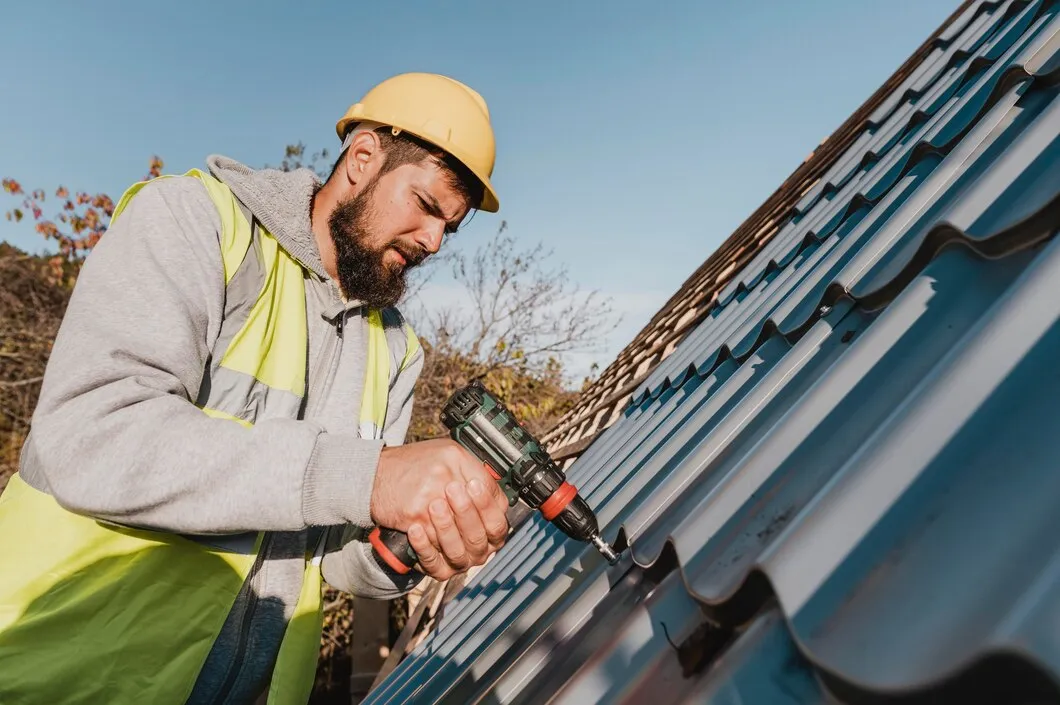


Your roof protects your home from rain, wind, moisture, and changing weather conditions. Over time, even a well-maintained roof can develop problems that affect its performance. Knowing when repairs are enough and when a full replacement is the better option can help you protect your home and avoid unexpected costs.
If you are considering Tacoma roof replacement, understanding the warning signs can help you make a confident decision. From aging shingles to recurring leaks, several indicators can tell you that your roof may be nearing the end of its useful life.
1. Your Roof Is Reaching the End of Its Expected Life
Roofing materials do not last forever. Asphalt shingle roofs commonly have a service life of roughly 15 to 30 years, depending on material quality, installation, ventilation, maintenance, and weather exposure.
If your roof is approaching or exceeding its expected lifespan, it is worth scheduling a professional inspection. A roof may appear acceptable from the ground while hidden deterioration is already affecting the decking, flashing, or underlayment.
Replacing an aging roof before major damage develops can make the project easier to plan and may help prevent emergency repairs.
2. Shingles Are Damaged or Missing
Your shingles form the first layer of protection against the elements. Look for:
- Missing shingles
- Cracked or broken shingles
- Curling or buckling edges
- Loose roofing materials
- Excessive granule loss
- Dark or exposed areas
A few damaged shingles may be repairable. However, widespread deterioration often indicates that the roofing system is aging and may need replacement.
If you notice several areas of damaged shingles, professional evaluation is important before deciding whether a repair or complete roof replacement is appropriate.
3. You Keep Dealing With Roof Leaks
A small leak should never be ignored. Water can travel through roofing materials and insulation before becoming visible inside your home. By the time you notice a ceiling stain, moisture may already have affected other parts of the structure.
Occasional leaks caused by isolated damage may be repaired. Recurring leaks in multiple locations can be a different story.
If repairs are becoming frequent, ask a roofing professional to evaluate the entire system. Continued repair costs can eventually become less practical than installing a new roof.
4. You Notice Sagging Areas
A sagging roof is a serious warning sign. It can indicate problems involving the roof deck, structural components, moisture damage, or prolonged deterioration.
Do not assume that sagging can be solved by simply replacing shingles. The underlying cause needs to be identified first.
If you notice visible dips or uneven sections, arrange an inspection as soon as possible. Addressing structural concerns early can help prevent more extensive damage.
5. Granules Are Collecting in Your Gutters
Asphalt shingles are covered with protective granules. These granules gradually wear away as a roof ages.
Finding a small amount of granule material in your gutters does not automatically mean your roof needs replacement. However, a significant or increasing amount can indicate that your shingles are losing their protective surface.
Granule loss is particularly important when combined with other signs such as curling shingles, exposed areas, or frequent leaks.
6. Your Energy Bills Are Increasing
A roof does more than keep rain outside. Proper ventilation and insulation help regulate temperatures inside your home.
If your attic ventilation is inadequate or your roofing system has deteriorated, your heating and cooling system may need to work harder. Rising energy costs can have many causes, so they should not be treated as proof that your roof needs replacement.
However, increased indoor temperatures, poor attic airflow, and an aging roof together are good reasons to request a professional assessment.
7. Moss and Algae Are Becoming a Persistent Problem
Moisture can contribute to moss and algae growth on roofing surfaces. Tacoma's wet climate can make moisture management especially important for homeowners.
Small amounts of surface growth do not necessarily mean a roof must be replaced. However, persistent moss can hold moisture against roofing materials and contribute to deterioration if it is not properly addressed.
A professional can determine whether cleaning and maintenance are sufficient or whether underlying roofing damage is present.
8. Your Roof Has Storm Damage
Strong wind, heavy rain, falling branches, and other weather events can damage roofing materials. After a major storm, inspect your property from a safe location for obvious signs such as missing shingles, damaged flashing, or fallen debris.
Do not climb onto a damaged roof yourself. Roofing surfaces can be slippery and unstable.
A professional inspection can identify visible and less obvious damage and help determine whether targeted repairs or a complete replacement makes more sense.
Repair or Replacement: Which Is Right?
Not every roofing problem requires a new roof.
A repair may be appropriate when the damage is limited to a small area and the rest of the roofing system remains in good condition. Replacement may make more sense when the roof is old, damage is widespread, leaks continue after repairs, or the underlying components have deteriorated.
The decision should be based on the roof's overall condition rather than one isolated problem.
A professional roofing inspection can evaluate shingles, flashing, ventilation, decking, drainage, and other components. This gives you a clearer picture of what your home actually needs.
Choosing the Right Roofing Materials
When replacement is necessary, homeowners have several roofing material options. Asphalt shingles remain a popular choice because they offer a balance of durability, appearance, and cost.
Depending on your property and goals, you may also consider other materials. Your roofing contractor can explain the advantages, maintenance requirements, expected lifespan, and installation considerations of each option.
The right choice should account for your home's design, budget, ventilation, and long-term plans.
Why Professional Installation Matters
A quality roofing system depends on more than the materials themselves. Proper installation affects weather resistance, drainage, ventilation, and long-term performance.
An experienced roofing contractor should inspect the existing roof, identify underlying problems, explain the recommended work, and provide a clear estimate.
Professional installation can also help reduce the risk of premature failures caused by poor workmanship or overlooked structural issues.
Plan Your Tacoma Roof Replacement Before Problems Escalate
Waiting until a roof develops a major leak can turn a manageable project into an urgent repair. If your roof is aging or showing multiple warning signs, planning ahead gives you more time to compare materials, review estimates, and schedule professional work.
A proactive approach can also help protect ceilings, insulation, walls, and other areas that may be affected by water intrusion.
Trust Forever Roofing for Your Roofing Needs
If your roof is showing signs of age or damage, Forever Roofing can help you understand your options. A professional evaluation can determine whether your home needs a repair, maintenance, or a complete replacement.
When you are researching Tacoma roof replacement, focus on the condition of the entire roofing system rather than choosing a solution based only on visible damage. Proper evaluation, quality materials, and professional installation can help you protect your home for years to come.
Contact Forever Roofing today to schedule a professional roof evaluation and discuss the best solution for your Tacoma home.
Frequently Asked Questions
1. How long does a typical asphalt shingle roof last?
Many asphalt shingle roofs last approximately 15 to 30 years. Actual lifespan depends on the roofing material, installation quality, ventilation, maintenance, and exposure to weather.
2. How do I know whether my roof needs repair or replacement?
A professional inspection is the best way to determine the right solution. Limited damage on an otherwise healthy roof may be repairable, while widespread damage, repeated leaks, or an aging roofing system may justify replacement.
3. Can I replace my roof during Tacoma's rainy season?
Roofing projects require suitable weather conditions. Experienced contractors can help determine an appropriate installation schedule based on weather forecasts, project requirements, and the condition of your existing roof.
4. What are the most common signs of an aging roof?
Common signs include curling or missing shingles, granule loss, recurring leaks, damaged flashing, moss growth, and visible deterioration. A roof inspection can reveal problems that are not obvious from the ground.
5. How can I prepare for a roof replacement?
Start by arranging a professional inspection and requesting a detailed estimate. Discuss roofing materials, ventilation, project timing, warranties, cleanup, and the expected scope of work before installation begins.



















Sign in to leave a comment.