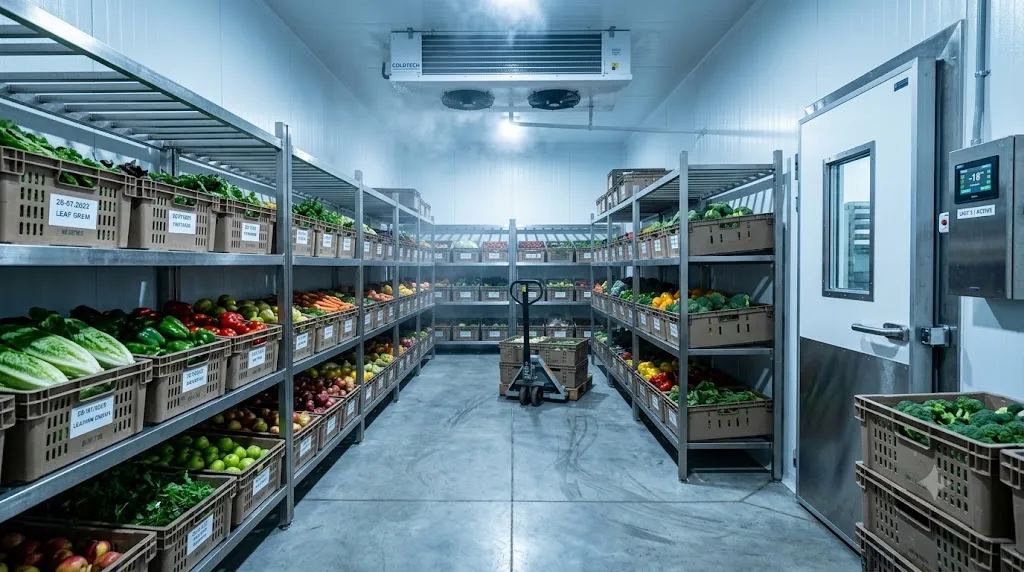

A well-maintained Cold Storage Room plays an important role in protecting temperature-sensitive products, reducing waste, and supporting reliable day-to-day operations. Whether it is used for food, pharmaceuticals, fresh produce, dairy products, or other temperature-controlled goods, the room needs consistent care to perform efficiently over time. Small issues such as damaged door seals, blocked airflow, moisture buildup, or poorly maintained refrigeration equipment can gradually affect temperature stability and operating costs.
Long-term performance does not depend on one maintenance task. It comes from a practical routine that covers the insulation system, refrigeration equipment, doors, drainage, cleanliness, temperature monitoring, and operating practices. Regular inspections also make it easier to identify minor problems before they become costly repairs.
1. Monitor Temperature Consistently
Temperature control should be one of the first priorities when maintaining a Cold Storage Room. The required temperature depends on the products being stored, so operators should follow the appropriate storage specifications rather than using one setting for every application.
Use reliable temperature monitoring equipment and check readings at regular intervals. Digital monitoring systems can make this process easier by recording temperature changes over time. Unexpected fluctuations may indicate a problem with the refrigeration system, door opening frequency, airflow, insulation, or product loading.
It is also useful to investigate unusual temperature changes instead of simply lowering the thermostat. Running refrigeration equipment harder may not solve the underlying issue and can increase energy consumption.
2. Inspect Insulated Panels Regularly
Insulated panels help limit heat transfer between the cold interior and the surrounding environment. Over time, panels can be affected by physical damage, moisture, poor joints, or deterioration around connections.
During routine inspections, look for:
- Cracks, dents, or visible damage
- Gaps around panel joints
- Signs of moisture or condensation
- Damaged sealants
- Areas where insulation may be compromised
- Openings around pipes, cables, and other penetrations
Even a relatively small gap can affect the room's ability to maintain stable conditions. Any damaged section should be assessed and repaired using suitable materials and methods.
For facilities in warm climates, maintaining the integrity of insulated cold room panels is especially important because the temperature difference between the room and surrounding environment can place additional demand on the cooling system.
3. Keep Cold Room Doors in Good Condition
Doors are one of the most frequently used parts of a refrigerated facility. Every unnecessary opening allows warmer air to enter and can increase the refrigeration load.
Inspect door gaskets and seals for cracks, hardening, gaps, or other signs of wear. Make sure doors close properly and do not remain partially open. Hinges, handles, latches, and automatic closing mechanisms should also be checked as part of routine maintenance.
Good operating practices matter too. Staff should avoid leaving doors open while moving products and should organize loading and unloading activities efficiently. Where appropriate, strip curtains or other suitable measures can help reduce unwanted air exchange.
4. Maintain the Refrigeration System
The refrigeration system is responsible for removing heat from the storage area, so regular maintenance is essential for dependable operation. Components such as compressors, condensers, evaporators, fans, controls, and refrigerant circuits should be inspected according to the equipment manufacturer's recommendations.
Condenser coils should be kept clean and free from excessive dust or debris. Dirty coils can reduce heat rejection and make the system work harder. Evaporator units should also be checked for ice buildup, airflow restrictions, unusual noise, and other signs of abnormal operation.
If the system shows repeated faults, temperature instability, unusual sounds, or other warning signs, qualified refrigeration technicians should inspect it rather than relying on temporary adjustments.
5. Prevent Excessive Ice and Frost
Ice buildup around evaporators, doors, or other areas can interfere with normal cold room operation. Excessive frost may restrict airflow and reduce heat transfer, making it harder for the refrigeration system to maintain the desired temperature.
The cause should be identified rather than repeatedly removing the ice without investigation. Possible factors can include frequent door opening, damaged seals, excessive humidity, drainage problems, or issues with the defrost system.
Follow the refrigeration equipment manufacturer's recommended defrost procedure. Avoid methods that could damage panels, evaporator components, seals, or other equipment.
6. Check Airflow and Product Arrangement
Proper airflow is essential for consistent temperature distribution. Products should not be packed tightly against evaporators, walls, ceilings, or air outlets unless the system is specifically designed for that arrangement.
Leave suitable circulation space around stored goods and avoid blocking fans or vents. Arrange products so air can move effectively throughout the room.
Overloading a Cold Storage Room can create uneven temperatures even when the refrigeration system itself is operating normally. A well-organized layout supports better air circulation and makes stock handling easier.
7. Control Moisture and Drainage
Water and condensation can create several maintenance problems in temperature-controlled areas. Keep drain lines clear so water from defrosting and normal operation can leave the room properly.
Regularly inspect floor drains, drain pans, pipes, and connections for blockages or leaks. Standing water should not be ignored because it may contribute to hygiene concerns, surface deterioration, ice formation, or other operational problems.
Pay attention to condensation around doors and panel joints as well. Persistent moisture may indicate a sealing, insulation, humidity, or temperature-control issue that needs further investigation.
8. Keep the Room Clean and Organized
A clean storage environment supports product quality and makes maintenance problems easier to identify. Establish a practical cleaning schedule for floors, walls, shelving, doors, and other accessible surfaces.
Cleaning products should be appropriate for the materials and application. Avoid damaging insulated panels, seals, coatings, or electrical components during cleaning.
Products should also be stored in an orderly manner. Keep damaged packaging, spills, and expired stock from accumulating. A well-organized room improves visibility, supports easier inspections, and helps workers move products safely.
9. Inspect Electrical and Control Components
Temperature controllers, sensors, alarms, wiring, switches, and other electrical components should be checked as part of planned maintenance. Faulty sensors can provide inaccurate readings, while control problems may cause unnecessary cycling or temperature fluctuations.
Do not attempt electrical repairs without appropriate qualifications. Electrical and refrigeration systems should be serviced by competent professionals following applicable safety requirements and manufacturer instructions.
Alarm systems deserve particular attention. If a temperature alarm is installed, test it according to the system's maintenance procedure to make sure abnormal conditions can be identified promptly.
10. Avoid Overloading the Storage Area
Storage capacity should be planned around the room's actual design and refrigeration capability. Filling every available space can restrict airflow and make temperature management more difficult.
Newly loaded products may also have different cooling requirements from products that are already at the required storage temperature. Follow appropriate loading procedures and avoid placing warm products into the room in quantities that exceed the system's intended capacity.
Maintaining reasonable spacing also makes inspections, cleaning, stock rotation, and emergency access easier.
11. Create a Preventive Maintenance Schedule
Reactive maintenance means waiting until something fails. Preventive maintenance takes a different approach by checking important components before problems become serious.
A useful maintenance schedule can include:
Daily: Check temperature readings, door condition, visible leaks, unusual noises, and general cleanliness.
Weekly: Inspect seals, drainage points, airflow, frost levels, and storage arrangement.
Monthly: Review equipment performance, panel condition, electrical controls, alarms, and maintenance records.
Periodically: Arrange professional servicing of refrigeration equipment and other critical systems according to manufacturer recommendations and operating conditions.
The exact schedule should be adapted to the room's size, equipment, operating hours, product type, and environmental conditions.
12. Keep Detailed Maintenance Records
Maintenance records can provide valuable information about the condition of a cold storage facility. Record temperature checks, inspections, cleaning, repairs, equipment servicing, alarm events, and recurring issues.
Over time, these records can reveal patterns. For example, repeated temperature increases at particular times may point to operational practices or equipment loading issues. Frequent repairs to the same component may also indicate that a larger problem needs to be addressed.
Good documentation helps maintenance teams make better decisions and provides a useful history when equipment requires professional servicing.
13. Train Staff on Correct Cold Room Practices
Equipment maintenance alone cannot guarantee reliable performance. Employees who use the room every day should understand basic operating procedures.
Staff training can cover proper door use, product loading, temperature checks, cleaning procedures, stock organization, alarm response, and reporting of visible damage. Employees should know that unusual temperatures, water accumulation, damaged seals, excessive frost, or strange equipment noises should be reported promptly.
Simple operating habits can reduce unnecessary strain on the refrigeration system and help preserve the condition of the facility.
How TSSC Group Supports Cold Storage Solutions
TSSC Group provides solutions for cold storage applications, including insulated panels and related building systems designed for temperature-controlled environments. When planning or upgrading a cold storage facility, selecting suitable materials and designing the system around the operational requirements can support dependable long-term performance. Regular maintenance remains essential after installation, helping the facility maintain its intended functionality and condition over time.
Final Thoughts
Maintaining a Cold Storage Room for long-term performance requires consistent attention rather than occasional emergency repairs. Temperature monitoring, insulated panel inspections, refrigeration servicing, proper airflow, effective drainage, clean surfaces, reliable doors, and trained staff all contribute to a well-managed facility.
The most effective approach is to combine routine inspections with preventive maintenance and accurate records. Addressing small issues early can help protect stored products, support efficient operation, and extend the useful performance of the cold storage system. By treating maintenance as an ongoing process, businesses can create a more reliable and better-controlled environment for temperature-sensitive goods.






















Sign in to leave a comment.