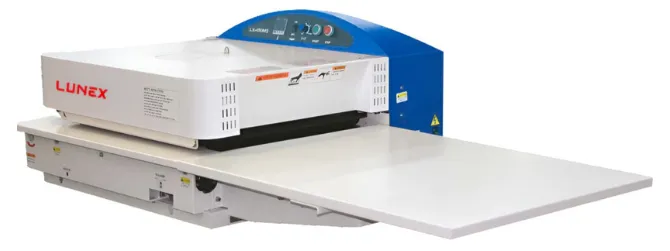

In modern garment and textile manufacturing, an Advanced Fusing Machine plays an important role in achieving consistent fabric bonding, professional finishing, and efficient production. These machines are designed for high-speed operation and precise temperature, pressure, and conveyor control. However, regular maintenance is essential to keep the machine performing reliably over the long term.
For garment manufacturers, proper maintenance can help reduce unexpected downtime, prevent fabric damage, maintain bonding quality, and extend equipment life. Here are some practical maintenance steps to keep an Advanced Fusing Machine in excellent working condition.
1. Clean the Machine Regularly
Daily cleaning is one of the simplest ways to maintain an Advanced Fusing Machine. Dust, fabric fibers, adhesive residue, and other particles can accumulate around the conveyor, heating area, rollers, and machine components.
Operators should remove visible dust and residue after production. Special attention should be given to areas where adhesive may accumulate, as excessive buildup can affect fabric movement and bonding performance.
2. Check Temperature Settings
Temperature accuracy is critical for effective fusing. Incorrect heat levels can result in poor adhesion, fabric damage, discoloration, or inconsistent bonding.
Regularly check the machine's temperature controls and sensors. If the displayed temperature does not match the actual operating conditions, professional inspection or calibration may be required. Maintaining accurate temperature control helps ensure consistent production quality.
3. Inspect the Conveyor Belt
The conveyor belt is an important component of an Advanced Fusing Machine because it transports materials through the heating and pressing zones.
Check the belt regularly for signs of wear, damage, contamination, or improper alignment. A loose or damaged belt can cause uneven material movement and inconsistent fusing results. Keeping the conveyor properly aligned can also reduce unnecessary stress on other components.
4. Maintain Rollers and Moving Parts
Rollers and other moving components should be inspected routinely. Look for unusual noise, vibration, resistance, or visible wear during operation.
Where recommended by the manufacturer, apply suitable lubrication to mechanical parts. Avoid using incorrect lubricants, as they may damage components or contaminate fabrics.
5. Monitor Pressure and Speed
An Advanced Fusing Machine depends on the correct combination of temperature, pressure, and conveyor speed. Changes in these settings can directly affect bonding quality.
Operators should monitor pressure and speed during production and follow the machine manufacturer's recommended operating parameters. Consistent settings help reduce production defects and maintain uniform results across batches.
6. Inspect Electrical and Safety Components
Electrical connections, control panels, emergency-stop systems, switches, and safety sensors should be inspected periodically by qualified personnel.
Any unusual smell, overheating, sparks, error messages, or electrical irregularities should be addressed immediately. Never ignore safety warnings or continue operating equipment that shows a serious electrical fault.
7. Follow a Preventive Maintenance Schedule
Preventive maintenance is more effective than waiting for a machine failure. Create a maintenance schedule covering daily, weekly, monthly, and periodic inspections.
Record cleaning activities, component replacements, calibration checks, and service visits. A maintenance log can help identify recurring problems and ensure important service tasks are not missed.
8. Use Professional Technical Support
Even with regular operator maintenance, professional servicing is important for long-term machine performance. Qualified technicians can inspect heating systems, sensors, motors, electrical components, conveyor mechanisms, and control systems.
Choosing a reliable supplier such as lunex machine can also provide access to technical guidance, installation support, spare parts, and maintenance assistance when required.
Conclusion
Maintaining an Advanced Fusing Machine requires consistent cleaning, accurate temperature control, conveyor inspection, mechanical checks, safety inspections, and preventive servicing. A well-maintained machine can support stable production, reduce avoidable downtime, and help manufacturers maintain reliable fusing quality.
For garment and textile manufacturers investing in advanced production equipment, proper maintenance should be considered an essential part of achieving long-term machine performance and efficient manufacturing.



























Sign in to leave a comment.