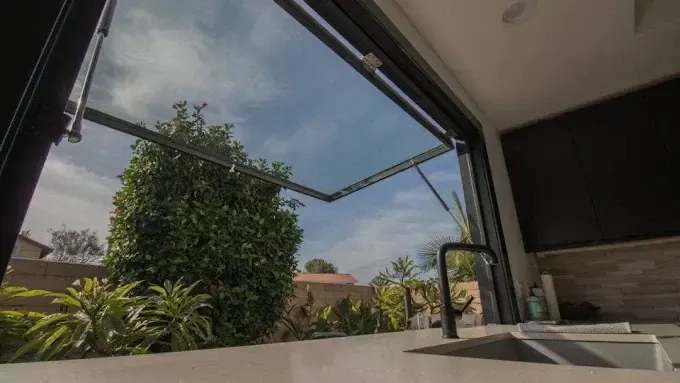

Motorised awning windows offer convenient ventilation, improved airflow, and easy operation at the touch of a button. Unlike traditional windows, their automated components require a little extra attention to keep them working smoothly. Regular maintenance can help prevent unnecessary wear, reduce the risk of mechanical problems, and preserve the window’s appearance. With a simple care routine, homeowners can enjoy reliable performance for many years.
Why Regular Window Maintenance Matters
Routine maintenance is important because motorised windows contain several moving and electrical components. Dust, moisture, dirt, and debris can gradually affect hinges, tracks, seals, sensors, and operating mechanisms. Small problems can also become more expensive if they are ignored for too long. Checking the windows regularly allows homeowners to identify unusual sounds, slow movement, or damaged seals early. Preventive care is usually easier and less costly than major repairs or component replacement.
Keep the Window Frame Clean
Cleaning the frame is one of the simplest ways to protect your windows. Dirt and dust can collect around the edges, hinges, and opening mechanisms, especially when windows are exposed to outdoor conditions. Use a soft cloth with mild soap and water to remove surface dirt without damaging the finish. Avoid harsh chemicals, abrasive pads, or strong cleaning products that could affect the frame or protective coating. After cleaning, dry the surface thoroughly to prevent moisture from remaining around electrical components.
Inspect Hinges and Moving Parts
The hinges and mechanical parts allow an awning window to open and close properly. Over time, these components may collect dust or become less smooth due to regular use. Check for stiffness, unusual noises, uneven movement, or visible signs of wear during routine inspections. If the manufacturer recommends lubrication, use the appropriate product and apply only the required amount. Never force a window that appears stuck, because excessive pressure can damage the mechanism or motor.
Protect the Motor and Electrical Components
The motor is an essential part of an automated window system, so keeping it protected is important for long-term performance. Make sure water does not enter areas containing electrical connections, controls, or motor components. If the window operates more slowly than usual, makes unusual noises, or stops responding consistently, investigate the issue promptly. Do not attempt complex electrical repairs without proper knowledge. A qualified technician should inspect wiring, motors, controls, or other electrical components when a serious fault occurs.
Check Seals and Weatherstripping
Window seals help prevent drafts, moisture, and outside air from entering your home. Damaged or deteriorated weatherstripping can reduce energy efficiency and may allow water to reach areas that should remain dry. Inspect the seals around the frame for cracks, gaps, looseness, or signs of deterioration. Replace worn seals according to the manufacturer’s recommendations. Keeping these areas in good condition can also improve indoor comfort and help protect the surrounding wall and window structure.
Clean Tracks and Drainage Areas
Although awning windows operate differently from sliding windows, drainage paths and surrounding channels still need attention. Leaves, dust, insects, and other debris can collect around the lower frame and interfere with proper water drainage. Clean these areas gently with a soft brush or cloth and make sure drainage openings remain clear. Never block drainage holes with sealants or other materials. Proper drainage helps reduce the chance of water buildup and protects the window from moisture-related damage.
Follow a Simple Maintenance Routine
A consistent maintenance schedule makes window care much easier. Instead of waiting until a problem appears, homeowners can perform quick inspections throughout the year. The frequency may depend on the local climate, window location, and manufacturer recommendations. Windows exposed to heavy rain, dust, humidity, or coastal conditions may require more frequent cleaning and inspection. A simple routine can help identify minor problems before they develop into costly repairs.
Some useful maintenance tasks include:
- Clean frames, glass, hinges, and accessible mechanisms regularly.
- Inspect seals and weatherstripping for cracks or gaps.
- Keep drainage openings free from dirt and debris.
- Listen for unusual motor or operating sounds.
- Check that the window opens and closes evenly.
- Follow the manufacturer’s instructions for lubrication and servicing.
- Arrange professional inspection when electrical or mechanical faults appear.
Avoid Overloading the Window System
Automated windows are designed to operate within specific limits, so they should never be forced beyond their normal movement. Do not push or pull the sash while the motor is operating unless the manufacturer specifically allows manual assistance. Children should also be discouraged from hanging on the window or operating it unnecessarily. If the system repeatedly struggles to open or close, stop using it until the cause has been identified. Continued operation under stress may increase wear on the motor and mechanical components.
Schedule Professional Inspections
Even with regular cleaning, professional servicing can be valuable for long-term reliability. A trained technician can inspect the motor, electrical connections, hinges, seals, controls, and other components that may not be easy for homeowners to assess. Professional maintenance is especially useful when windows are used frequently or installed in areas exposed to demanding weather conditions. Always follow the service intervals provided by the manufacturer. Professional attention can help extend the useful life of the complete window system.
Handle Problems as Soon as They Appear
Small changes in performance should not be ignored. A window that moves slowly, stops halfway, produces unusual sounds, or fails to respond to its controls may be showing an early warning sign. Continuing to operate a malfunctioning system can sometimes turn a minor issue into a larger mechanical or electrical problem. Stop using the window if there is a serious fault and seek professional assistance. Prompt action can help protect both the window and the surrounding structure.
Final Thoughts
Long-term performance depends on regular cleaning, careful operation, and timely maintenance. Keeping the frame clean, protecting electrical components, checking seals, and maintaining drainage areas can make a significant difference. Homeowners should also follow the manufacturer’s care instructions because maintenance requirements can vary between systems. With consistent attention and professional servicing when needed, automated awning windows can remain convenient, efficient, and dependable for years.



























Sign in to leave a comment.