
A greenhouse does not have to be large to produce a good harvest. The bigger challenge is using the available space properly. Floor space can disappear quickly once pots, seed trays, watering cans and mature plants start filling the greenhouse.
This is where the right RIGA greenhouse accessories can make a noticeable difference. Shelving, plant hooks, ventilation equipment and other additions can help gardeners organize plants vertically, improve access and create a more practical growing environment.
Instead of simply adding more plants, the better approach is to make each part of the greenhouse work harder.
Start With the Greenhouse Floor Plan
Before adding accessories, look at how the existing space is being used.
Keep taller plants toward the sides or back where possible and leave enough room to reach them for watering and pruning. Smaller plants and seedlings can occupy shelves rather than taking up valuable floor space.
A simple layout might look like this: The goal is to create different growing levels instead of treating the greenhouse floor as the only usable space.
Use Shelving to Create More Growing Levels
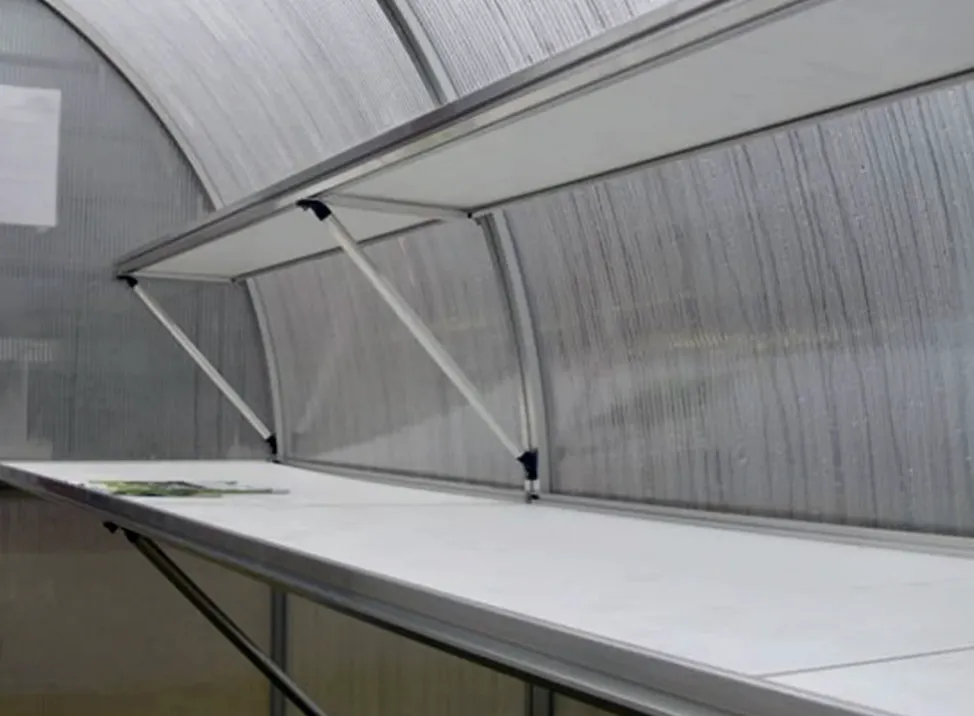
Shelving is one of the easiest ways to increase usable growing space.
Seed trays, herbs, small pots and young plants generally do not need the same floor area as larger crops. Moving these plants onto shelves leaves more room below for containers that require additional space.
Dive To Garden's RIGA collection includes top and bottom shelving options designed for RIGA greenhouse configurations. These can help turn unused vertical space into additional growing areas.
However, avoid filling every shelf completely. Plants still need room for airflow and access. Overcrowded shelves can make watering and maintenance unnecessarily difficult.
Think Vertically With Plant Hooks
The space above your plants is often overlooked.
Plant hooks can provide another way to use vertical space for suitable hanging plants, baskets or lightweight gardening items. Dive To Garden lists plant hooks among its RIGA accessories.
Before hanging anything, check the accessory's intended use and the greenhouse's structural limitations. Heavy containers should never be suspended from a point that is not designed to support them.
Vertical growing works particularly well for smaller plants because it adds usable space without expanding the greenhouse footprint.
Keep Ventilation Areas Clear
Maximizing space does not mean packing the greenhouse from floor to ceiling.
Ventilation needs to remain unobstructed. RIGA accessories include exhaust fans and intake vents that can help with air movement and temperature management.
This matters because plants growing close together can create a more humid environment. Proper airflow can also make the greenhouse more comfortable to work in.
When arranging shelves or hanging plants, keep roof windows, vents and fans accessible.
Use Accessories to Improve Organization
Not every accessory needs to directly hold a plant.
Hooks and storage solutions can help keep small tools, watering equipment and other gardening supplies organized. Removing these items from the floor creates additional working space.
A useful rule is to keep frequently used items close to the entrance while storing less frequently used equipment elsewhere.
This small change can make a compact greenhouse feel much less crowded.
Consider a Foundation Frame
A foundation frame does not create additional growing space by itself, but it can be part of a more practical greenhouse setup.
Dive To Garden offers RIGA foundation frame accessories designed for compatible RIGA greenhouse models.
A properly planned base can help establish the greenhouse footprint before the interior is organized. This is especially useful when planning a permanent or semi-permanent backyard growing area.
Always check compatibility with the specific RIGA greenhouse model before purchasing an accessory.
Separate Plants by Size and Purpose
Another simple way to maximize space is to group plants according to how much room they need.
Large plants such as tomatoes can occupy the floor or designated growing areas. Smaller herbs and seedlings can move onto shelving. Plants that benefit from hanging can use suitable upper areas.
This prevents small plants from competing with large containers for the same floor space.
It also makes maintenance easier because plants with similar watering or care requirements can be grouped together.
Leave Some Empty Space
It might sound strange when the goal is to maximize growing space, but empty space has a purpose.
You need enough room to walk, inspect leaves, water plants and remove damaged growth. Without access to space, a greenhouse can become difficult to maintain.
A greenhouse packed with plants is not necessarily a productive greenhouse.
Think in terms of usable growing space, not simply the number of containers that can physically fit inside.
Build a Greenhouse Around Your Growing Habits
There is no need to buy every available accessory.
Someone growing seedlings may benefit more from shelving, while someone growing larger vegetables may prioritize ventilation and plant supports. A gardener using the greenhouse during colder months may have different requirements from someone primarily growing during spring and summer.
Start with the problem you are trying to solve.
If the floor is crowded, look at shelving. If the greenhouse becomes too warm, investigate ventilation. If tools are taking up valuable floor space, consider hooks or dedicated storage.
This approach keeps the setup practical rather than turning the greenhouse into a collection of accessories.
A Simple Space-Maximizing Setup
For a backyard RIGA greenhouse, a practical setup could include:
Lower level: Larger containers and mature crops
Middle level: Shelves for seedlings, herbs and smaller plants
Upper level: Suitable hanging plants or lightweight equipment
Side areas: Vertical supports where appropriate
Entrance: Watering equipment and frequently used tools
Roof and ventilation areas: Kept clear for airflow
The exact arrangement will depend on the RIGA model, the plants being grown and the available accessories.
Final Thoughts
Making better use of greenhouse space is mostly about organization. Adding more plants without a plan can quickly create overcrowding, while thoughtful use of shelves, hooks and ventilation equipment can create several functional growing levels.
The right RIGA greenhouse accessories can help gardeners make better use of vertical space while keeping plants accessible and the greenhouse easier to maintain. Dive To Garden offers a range of RIGA accessories, including shelving, foundation frames, exhaust fans, intake vents, roof-window accessories, hooks and other greenhouse equipment.
For gardeners planning a new setup, it makes sense to start with the plants they want to grow, measure the available space and then choose accessories that solve specific problems. A well-organized greenhouse can provide more useful growing space without requiring a larger structure.





























Sign in to leave a comment.