


Monitoring electricity consumption is an important part of managing energy costs and improving the efficiency of electrical systems. Whether used in factories, commercial buildings, offices, workshops, or residential facilities, accurate energy measurement helps users understand how much electricity equipment and electrical circuits are consuming.
A digital energy meter provides a convenient way to measure and monitor electrical energy consumption. Unlike traditional meters that may provide limited information, modern digital meters can display measured values clearly and continuously, making it easier to observe energy usage and identify changes in consumption.
A Digital kWh Meter is commonly used to measure electrical energy consumed over time. When installed appropriately in an electrical system, it can help users track consumption, compare usage patterns, and make better decisions about energy management.
What Is a Digital kWh Meter?
A Digital kWh Meter is an electronic measuring instrument designed to measure electrical energy consumption in kilowatt-hours (kWh). The kWh value indicates the amount of electrical energy consumed by a load over a specific period.
For example, if equipment operates at a particular power level for several hours, the meter records the corresponding energy consumption. The accumulated kWh reading can then be used to understand electricity usage for a machine, section, building, or other electrical load, depending on where the meter is installed.
Digital kWh meters are commonly integrated into electrical panels and distribution systems. Their digital display makes readings easier to observe and record.
How Does a Digital kWh Meter Measure Power Consumption?
The basic purpose of the meter is to measure electrical parameters and calculate energy consumption over time. Depending on the electrical system and meter design, the instrument measures relevant voltage and current values and determines the electrical energy consumed.
The meter continuously monitors the connected electrical load. As energy is consumed, the accumulated kWh value increases. Users can read this value from the digital display and use it for energy monitoring and analysis.
The exact measurement method depends on the meter's design, electrical configuration, and installation arrangement. Therefore, the meter should always be selected and installed according to the requirements of the electrical system.
Where Can a Digital kWh Meter Be Used?
Digital kWh meters can be used in a variety of electrical applications. Common examples include:
- Industrial electrical panels
- Commercial buildings
- Manufacturing facilities
- Offices and institutions
- Workshops
- Production lines
- Distribution systems
- Individual machines or equipment
- Sub-metering applications
Installing meters at different points can help organizations understand energy consumption across individual areas or loads rather than relying only on a single main electricity meter.
Using a Digital kWh Meter for Electrical Panels
A Digital kWh Meter for Electrical Panels can be used to monitor energy consumption within an electrical distribution system. The meter can provide information about the energy used by the connected circuit, depending on the installation configuration.
For industrial and commercial applications, panel-mounted energy meters can help operators observe consumption without manually estimating energy usage. The information can also support energy-management activities and help identify areas where electricity consumption is comparatively high.
Before installation, users should consider the system voltage, current, phase configuration, frequency, connection method, and measurement requirements. Proper installation is important for obtaining dependable measurements and ensuring safe operation.
How to Monitor Power Consumption Step by Step
Monitoring electricity consumption with a digital kWh meter can be approached through a simple process.
1. Identify the Electrical Load
First, determine which electrical circuit, machine, panel, or area needs to be monitored. Defining the monitoring point helps ensure that the meter is installed in the appropriate location.
For example, a manufacturing facility may want to monitor a particular production line separately from other loads. A commercial building may monitor different floors or departments individually.
2. Select a Suitable Meter
Choose a meter according to the electrical characteristics and monitoring requirements of the application. Factors such as single-phase or three-phase operation, voltage, current range, accuracy, display requirements, and installation type should be considered.
The meter should be compatible with the electrical system and intended application.
3. Install the Meter Correctly
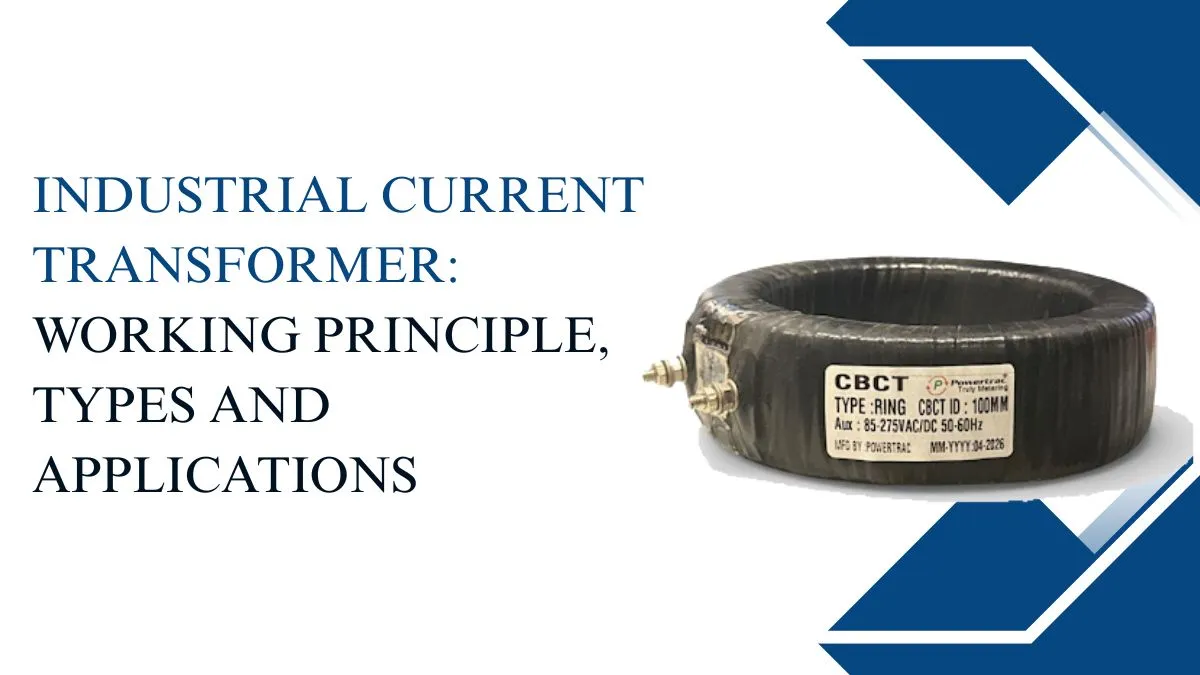
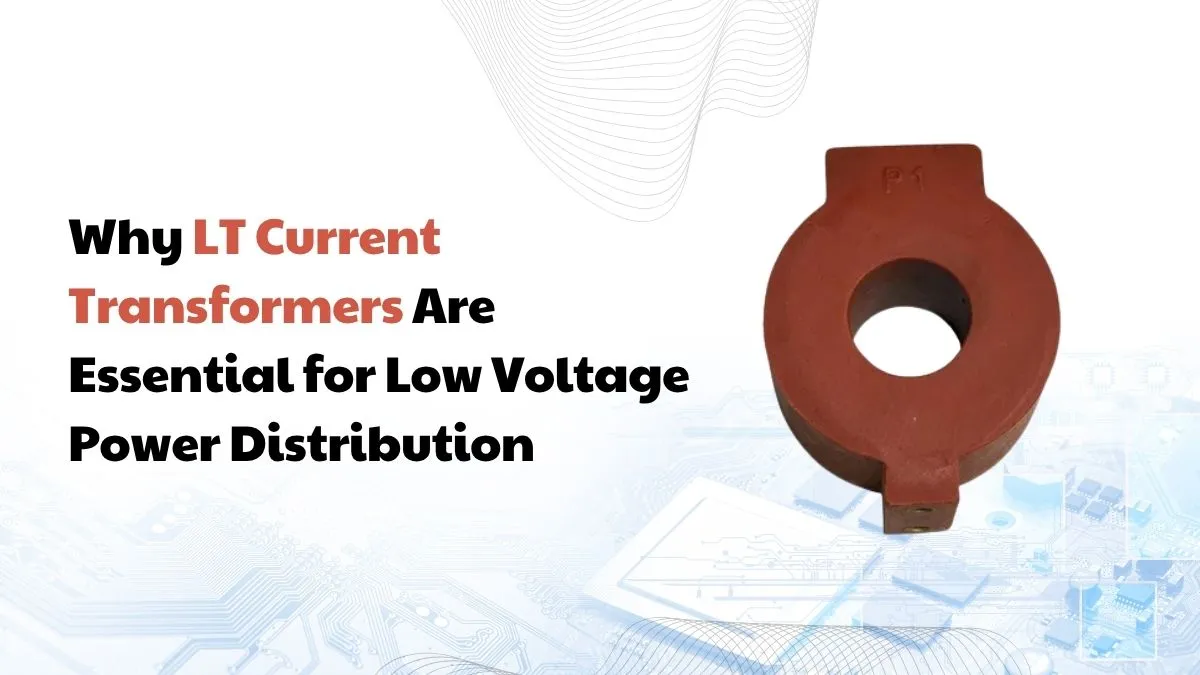
Installation should be carried out according to the manufacturer's specifications and applicable electrical safety practices. Depending on the system, direct connection or current transformers may be used.
Incorrect wiring or unsuitable installation can affect measurement performance and may create electrical safety risks. Qualified personnel should therefore handle installation where required.
4. Record the Initial Reading
After installation, note the initial kWh reading. This provides a starting point for monitoring energy consumption.
For example, if the meter shows an initial reading of 2,500 kWh, that value can be recorded along with the date and time.
5. Record Readings at Regular Intervals
Take readings at predetermined intervals, such as daily, weekly, or monthly. Regular records make it easier to identify changes in energy consumption.
For more advanced monitoring systems, readings may be collected automatically and stored digitally, depending on the capabilities of the meter and connected system.
6. Calculate Energy Consumption
To determine energy consumed during a monitoring period, compare the current reading with the previous reading.
Energy consumed = Current kWh reading − Previous kWh reading
For example, if the previous reading was 2,500 kWh and the current reading is 2,750 kWh, the consumption during that period is 250 kWh.
This simple comparison can provide useful information about energy usage.
Why Is Power Consumption Monitoring Important?
Energy monitoring helps organizations understand how electricity is being used. Without measurement, it can be difficult to identify which equipment or areas are responsible for higher consumption.
Regular monitoring can help users:
- Understand electricity consumption patterns
- Compare consumption between different periods
- Identify unusual increases in energy usage
- Monitor individual machines or electrical sections
- Support energy-management decisions
- Evaluate the effect of operational changes
- Improve visibility into electricity usage
The purpose is not simply to collect readings. The information becomes more useful when it is reviewed and compared over time.
Identifying Unusual Energy Consumption
One useful application of a digital energy meter is identifying unexpected changes in consumption. If a machine normally consumes a relatively consistent amount of energy but its consumption suddenly increases, the change may deserve further investigation.
Possible reasons can include changes in production conditions, operating hours, equipment loading, maintenance issues, or other factors.
A kWh meter alone cannot determine the exact reason for increased consumption. However, it can provide measurement data that alerts operators to investigate the situation.
Difference Between kWh and Other Electrical Measurements
Electrical systems involve several measurements, and it is important to understand what each one represents.
Voltage indicates electrical potential difference, while current indicates the flow of electric charge. Power represents the rate at which electrical energy is being used, while energy consumption is commonly expressed in kilowatt-hours.
Some digital meters can display multiple electrical parameters in addition to energy consumption.
For applications requiring measurements such as voltage, current, power factor, frequency, and power, users may consider multifunction measuring instruments. A Digital VAF Meter Manufacturer may provide meters designed to display voltage, amperage, and frequency parameters for electrical monitoring applications.
The appropriate instrument depends on what information the electrical system requires.
Factors to Consider When Choosing a Digital kWh Meter
Several factors should be evaluated before purchasing or installing a digital energy meter.
Electrical Configuration
Determine whether the application is single-phase or three-phase and identify the system voltage and frequency.
Current Range
The meter should be suitable for the expected current level. For higher-current applications, appropriate current transformers may be required.
Accuracy
Select an instrument with accuracy suitable for the application's measurement requirements.
Display and Readability
A clear digital display can make it easier for operators to read energy values and other parameters.
Installation Method
Consider whether the meter is designed for panel mounting, DIN rail mounting, or another installation arrangement.
Communication Features
Some modern meters may offer communication capabilities for integration with monitoring or energy-management systems. If remote monitoring is required, users should verify the available communication interface and compatibility.
Maintaining Accurate Energy Measurements
Proper installation is only one part of maintaining reliable measurement. The meter should be operated according to the manufacturer's specifications and protected from unsuitable environmental conditions.
Periodic inspection can help identify loose connections, physical damage, display problems, or other issues. Where measurement accuracy is critical, appropriate testing or calibration procedures may also be considered according to the application's requirements.
Accurate measurements are particularly important when energy data is being used for detailed analysis, billing-related applications, or operational decisions.
Benefits of Digital Energy Monitoring
Digital kWh meters can provide better visibility into energy consumption compared with relying only on a central electricity bill. By monitoring specific circuits or equipment, organizations can obtain more detailed information about where electricity is being consumed.
This information can support energy audits, operational planning, equipment evaluation, and efforts to manage electricity costs.
However, simply installing a meter does not automatically reduce energy consumption. The greatest benefit comes from regularly reviewing the collected information and taking appropriate action based on the findings.
Conclusion
Monitoring power consumption is an important part of effective electrical energy management. A Digital kWh Meter provides a practical way to measure accumulated electricity consumption and understand how energy is being used over time.
A properly selected Digital kWh Meter for Electrical Panels can help businesses monitor individual circuits, machines, or electrical sections and compare consumption across different periods. Regular readings can reveal consumption patterns and highlight unusual changes that may require investigation.
For broader electrical monitoring, other instruments such as those offered by a Digital VAF Meter Manufacturer can provide additional parameters such as voltage, current, and frequency. Ultimately, selecting the right measuring instrument depends on the electrical system, measurement requirements, installation conditions, and desired monitoring capabilities.
Frequently Asked Questions
1. What does a Digital kWh Meter measure?
A Digital kWh Meter measures electrical energy consumption, generally displayed in kilowatt-hours (kWh).
2. Why use a Digital kWh Meter in an electrical panel?
It can help monitor energy consumption for a specific circuit, machine, or electrical section and provide clearer information about electricity usage.
3. How is electricity consumption calculated from a kWh meter?
Subtract the previous meter reading from the current reading. The difference represents the energy consumed during that period.
4. Can a digital kWh meter monitor three-phase systems?
Yes, suitable digital kWh meters are available for three-phase electrical systems. The meter should be selected according to the system's electrical specifications.
5. What is the difference between a kWh meter and a VAF meter?
A kWh meter primarily measures electrical energy consumption, while a VAF meter is generally used to display parameters such as voltage, current, and frequency.
6. What should I consider when selecting a digital kWh meter?
Consider the phase configuration, voltage, current range, accuracy, mounting method, display requirements, communication features, and application-specific requirements.






















Sign in to leave a comment.