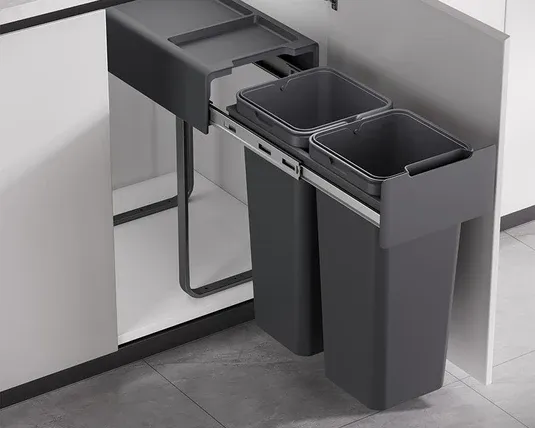

Cooking becomes unnecessarily frustrating when the tool you need is buried beneath takeaway menus, loose batteries and utensils that rarely leave the drawer. A well-planned drawer does more than improve appearance. It reduces preparation time, keeps frequently used items within reach and makes it easier to return everything to its proper place.
The most effective approach is to organise according to how you cook. A kitchen drawer organiser can help divide the available space, but the layout should still reflect your routines, drawer dimensions and collection of utensils.
Empty the Drawer Before Making Decisions
Trying to organise around existing clutter usually leads to temporary results. Remove everything so you can see the full internal space and inspect what has accumulated.
Clean the drawer base, corners and runners before putting anything back. This is also a useful opportunity to check for damaged utensils, leaking pens, expired vouchers or objects that belong elsewhere.
Sort Items by Their Actual Use
Place the contents into clear groups:
- Used every day
- Used several times a week
- Needed occasionally
- Duplicates
- Damaged or no longer useful
- Better stored in another part of the kitchen
- Suitable for donation or responsible disposal
Be realistic. Five similar wooden spoons may not deserve space in the most accessible drawer if you consistently use only two.
Keep Sentimental Items Separate
An inherited serving spoon or special cake tool may be worth keeping even if it is rarely used. Move it to a secondary drawer or protected storage area rather than allowing it to occupy everyday preparation space.
Measure the Usable Interior
Drawer measurements should be taken inside the drawer box, not across the cabinet front. Record the internal width, depth and height.
Pay attention to curved corners, screw heads and other features that reduce usable space. If a utensil drawer organizer is too tall, the drawer may catch when closing. If it is too shallow or narrow, valuable room may be wasted.
Measure Your Longest Tools
Whisks, rolling pins, carving knives and long spatulas can determine the orientation of the entire layout. Place the longest frequently used item in the empty drawer to see how naturally it fits.
Check whether tools can lie flat without overlapping the sides or obstructing the drawer above.
Create Zones Around Cooking Tasks
Grouping by task is often more helpful than sorting everything by material or colour. The best zone system is the one that reflects your movements during meal preparation.
You might create sections for:
- Everyday cutlery
- Stirring and turning tools
- Measuring spoons and cups
- Baking utensils
- Food-preparation gadgets
- Foil, clips or reusable covers
- Tea and coffee accessories
A utensil drawer organizer with adjustable or appropriately sized compartments can keep these groups visible and prevent them from mixing whenever the drawer opens.
Place High-Use Items Near the Front
If the drawer is beneath your main preparation bench, keep knives, peelers and measuring tools closest to that work area. Less frequently used items can sit toward the rear.
The goal is to reduce unnecessary reaching and searching, not to create a display that looks impressive only when the drawer is open.
Follow the One-Movement Test
You should ideally be able to retrieve a common utensil in one smooth movement. If you must lift several tools or open another compartment first, the arrangement needs adjustment.
Use Containers for Small, Loose Objects
Tiny objects create visual clutter and often disappear beneath larger utensils. Kitchen drawer bins can contain bag clips, bottle stoppers, spare labels or other small accessories.
Choose containers that fit closely together without preventing the drawer from closing. A mixture of small and medium compartments can work better than one large tray if your items vary significantly in size.
Avoid Too Many Divisions
Over-dividing a drawer can make it less flexible. A compartment that fits one gadget perfectly may become useless when that item is replaced.
Allow enough room for slight changes in your kitchen tools. Kitchen drawer bins should support the layout rather than forcing every item into an overly precise position.
Store Sharp Tools With Care
Sharp knives and blades should not be left loose among other utensils. This can damage edges and create a risk when someone reaches into the drawer.
Use suitable blade protection or a purpose-designed storage solution. Keep sharp objects visible and separate from areas children can access.
Consider the Household
A drawer arrangement should suit everyone who uses the kitchen. If children help prepare food, give safe tools a clearly identified section while keeping unsuitable items securely located elsewhere.
Label Only Where It Helps
Labels can support shared households, but they are not necessary for obvious categories. Use them for areas that are frequently misunderstood, such as baking accessories or food-storage clips.
Prevent the Organiser From Sliding
A tray that shifts each time the drawer opens will quickly become irritating. Confirm that the organiser fits securely or use a suitable non-slip liner beneath it.
Avoid improvised materials that bunch up, retain moisture or interfere with drawer runners. The base should remain easy to remove and clean.
Maintain the Layout With a Simple Reset
Organisation fails when putting an item away requires too much thought. Every frequently used tool should have an obvious home.
Once a week, take a minute to return misplaced items. Every few months, review whether the layout still reflects your cooking habits.
Useful maintenance rules include:
- Return clean utensils to their assigned section
- Remove duplicate takeaway cutlery
- Wipe spills promptly
- Reassess tools that are never used
- Avoid adding unrelated household objects
- Adjust compartments when routines change
A kitchen drawer organiser should remain adaptable rather than becoming a fixed display.
Why Choose Us
Kitchen Organisers helps customers explore practical storage products for real kitchens and everyday routines. We focus on solutions that can make frequently used spaces easier to arrange, access and maintain.
Customers comparing kitchen drawer bins can consider their drawer measurements, utensil collection and preferred layout before deciding. Our range supports thoughtful organisation rather than encouraging people to buy containers without first understanding their space.
About Us
Kitchen Organisers provides storage solutions for households seeking a more functional kitchen. Our product range is designed to help customers use drawers, cupboards and other storage areas more effectively.
We understand that every kitchen layout and cooking style is different. That is why we encourage accurate measurement and practical product selection based on how the household uses the space.
Conclusion
A useful drawer begins with decluttering, accurate measurements and a layout based on cooking tasks. Place high-use tools within easy reach, contain small objects and protect sharp items appropriately.
The right utensil drawer organizer or set of kitchen drawer bins can support this system, but long-term success depends on making each item easy to retrieve and return. When the arrangement follows your actual routine, everyday cooking becomes noticeably smoother.


























Sign in to leave a comment.