How to Pick Wall Colors That Make Your Home Feel Bigger

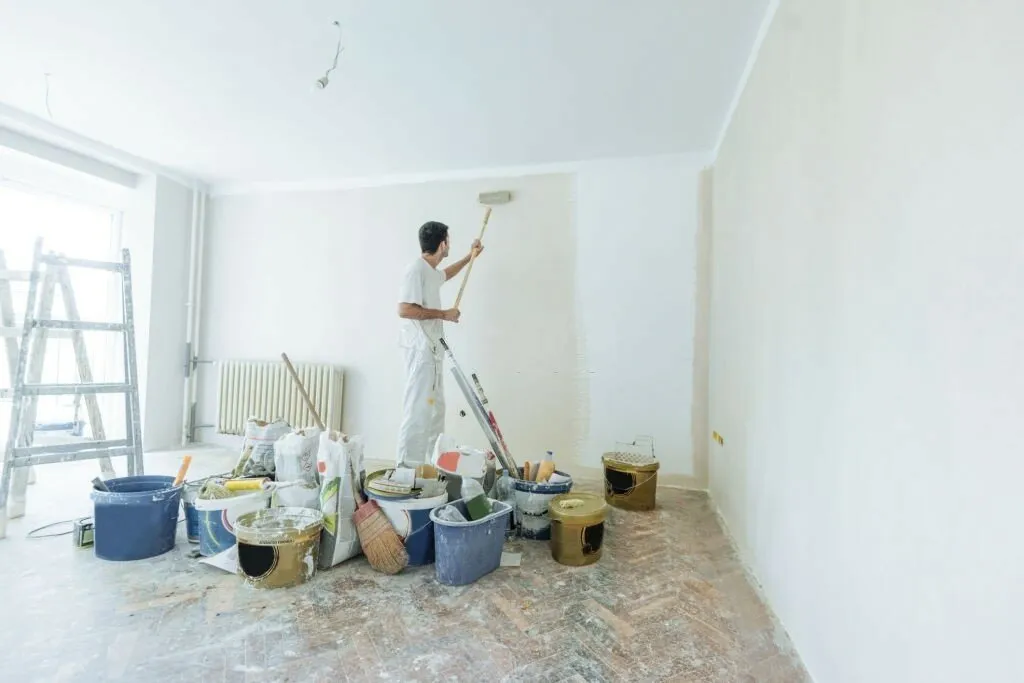
Small rooms can feel surprisingly frustrating. You may have plenty of furniture you love, good natural light, and a layout that works, yet the space still feels cramped. Sometimes the issue is not the square footage at all. The wrong wall color can make a room appear darker, tighter, or visually crowded.
San Jose homeowners often deal with homes where maximizing the feeling of space matters. Whether you are refreshing a compact bedroom, opening up a narrow hallway, or making a living room feel more inviting, paint can change how the entire room is perceived. A skilled Painter can also help you choose a shade and finish that work with your home's lighting, architecture, and existing features.
Why Wall Color Changes the Feeling of a Room
Paint does more than add personality. Color influences how our eyes perceive boundaries, light, depth, and the relationship between different surfaces.
Lighter shades generally reflect more available light, helping walls appear less visually heavy. Darker colors can create warmth and drama, but when used across a small room without enough lighting, they may make the space feel more enclosed.
That does not mean every small room needs to be painted white. The goal is to create visual continuity and make the available light work in your favor.
Start With the Natural Light
Before choosing a color, pay attention to how sunlight enters the room throughout the day.
A shade that looks soft and welcoming in a morning-lit bedroom may appear completely different in a room that receives little direct sunlight. Artificial lighting can change it again in the evening.
Check the Room at Different Times
Place sample colors on different walls rather than judging them from a tiny paint card.
Look at the samples:
- In the morning.
- Around midday.
- In the afternoon.
- Under your normal evening lighting.
This simple test can prevent an expensive color mistake. A slightly warm neutral may make a dim room feel more comfortable, while a cooler light shade can work beautifully in a space with abundant sunshine.
Choose Light Colors Without Making Your Home Feel Plain
Light colors are a popular choice for creating a more spacious appearance, but there are many options beyond basic white.
Consider shades such as:
- Soft ivory
- Warm white
- Pale beige
- Light greige
- Soft taupe
- Gentle blue-gray
- Muted sage
The right choice depends on your flooring, furniture, countertops, cabinets, window treatments, and natural light.
For example, a warm neutral can connect beautifully with wood flooring and natural furnishings. A subtle gray may complement modern finishes, while a pale blue can give a bedroom a lighter, calmer appearance.
Real Problems San Jose Homeowners Face
Rooms With Uneven Lighting
A room may receive excellent sunlight near one window but remain noticeably darker in another corner. Choosing a color without considering this difference can produce an uneven appearance.
San Jose's abundant sunshine can be an advantage, but strong daylight can also make certain colors look brighter or more saturated than expected. Testing samples before committing is especially helpful.
Open Floor Plans That Feel Disconnected
Many homeowners want an open, spacious feeling but still want different areas to have their own personality. Using dramatically different wall colors in adjoining spaces can make the overall layout feel chopped up.
A coordinated palette can create a visual flow from the entryway into the living room, dining area, and kitchen. You can still introduce contrast through furniture, artwork, accent walls, or accessories.
Older Walls That Show Every Imperfection
Color selection is only one part of the equation. Small dents, nail holes, uneven patches, and previous paint buildup can become more noticeable under certain lighting conditions.
Proper surface preparation gives your chosen color a much cleaner appearance. If the walls need repairs before painting, address those imperfections rather than expecting a new color to hide them.
Use One Color Family to Create Flow
If your home has several small rooms, consider choosing related shades instead of treating every room as a completely separate project.
Using a consistent palette can make doorways and transitions feel less abrupt. This can be particularly useful in hallways, smaller homes, and layouts where several rooms are visible from one another.
You do not have to use exactly the same color everywhere. A living room might use a warm neutral while a nearby bedroom uses a slightly deeper version of the same family.
The result can feel intentional without becoming boring.
Think About Ceilings, Trim, and Doors
Walls are not the only surfaces affecting how large a room appears.
A ceiling painted in a very dark shade can visually lower the room. A lighter ceiling can help draw the eye upward and create a more open feeling.
Keep Trim Consistent
Matching or coordinating trim colors can also reduce visual interruptions. When walls, trim, and doors have too many competing colors, smaller rooms can feel busier.
For a clean, spacious appearance, many homeowners choose a simple wall color paired with lighter trim and doors. This keeps the architecture from becoming visually cluttered.
Don't Ignore the Finish
The paint finish can influence how light interacts with your walls.
Flat finishes have a soft appearance but may be less forgiving when cleaning is needed. Eggshell and satin finishes can offer a practical balance for many living areas, although the best choice depends on the room and surface.
Bathrooms and kitchens may require finishes suited to higher moisture and regular cleaning. Bedrooms and low-traffic spaces can have different needs.
A professional painting consultation can help you consider durability alongside appearance instead of choosing a finish based only on color.
A Practical Color-Picking Process
You do not need to stand in a paint store overwhelmed by hundreds of nearly identical shades. Follow a simple process.
Step 1: Identify the Goal
Ask what you want the room to feel like.
Do you want it brighter? Calmer? Warmer? Cleaner? More modern?
Knowing the desired mood makes it easier to narrow your options.
Step 2: Look at Permanent Features
Study flooring, countertops, cabinets, tile, stone, and large furniture pieces. Your wall color should work with these existing elements.
Replacing paint is relatively easy compared with replacing flooring or cabinetry, so let permanent features guide the palette.
Step 3: Test Large Samples
Small paint chips can be misleading. Apply larger samples to the wall and observe them under different lighting conditions.
If possible, leave them in place for at least a full day before making your final decision.
Step 4: Compare Adjacent Rooms
Stand in a doorway and look between connected spaces. Ask whether the colors complement each other or create an unnecessary visual break.
This matters even more in open layouts.
Step 5: Prepare the Walls Properly
Clean the surface, repair imperfections, sand rough areas, and use primer where needed. Good preparation gives the final color a smoother and more consistent appearance.
When Professional Help Makes Sense
Choosing a color sounds simple until you are comparing undertones, lighting conditions, existing finishes, and multiple rooms. Professional guidance can make the process much less stressful.
When searching for a Painter Near Me, look for someone who does more than apply paint. Ask about preparation, product recommendations, finish selection, project protection, cleanup, and how the team handles unexpected wall conditions.
A good professional should be willing to explain why a particular color or finish may work better for your space rather than simply pushing the most expensive option.
For homeowners researching a Painter San Jose CA, local experience can also be valuable. A professional familiar with San Jose homes can help you think through natural light, room layouts, exterior surroundings, and the practical demands of each space.
How Norman Painting Can Help
Norman Painting brings experienced craftsmanship and careful attention to residential and commercial painting projects in the San Jose area. From selecting suitable colors to preparing surfaces and applying consistent coats, a professional approach can help turn a cramped-looking room into a space that feels cleaner and more comfortable.
Before work begins, ask for a clear estimate covering preparation, repairs, materials, labor, number of coats, and cleanup. This gives you a better understanding of the project and reduces surprises later.
Signs of a Painting Company You Can Trust
A quality result starts before the first brush or roller touches the wall. Take a few minutes to evaluate the company you are considering.
Look for:
- Clear pricing: You should understand what the estimate includes.
- Detailed preparation: Wall repairs and surface preparation should not be treated as an afterthought.
- Professional communication: Questions should receive clear, timely answers.
- Relevant experience: Ask whether the company regularly handles projects similar to yours.
- Material transparency: You should know what type of paint and finish will be used.
- Property protection: Floors, furniture, fixtures, and surrounding areas should be protected during the work.
- Cleanup: A professional crew should leave the work area orderly.
It is also smart to ask about applicable insurance, warranties, references, and project timelines before signing an agreement.
Colors That Can Help Different Rooms Feel Larger
Different spaces benefit from slightly different approaches.
Living Room
Soft warm whites, light greige, and pale neutral shades can help a living room feel open without making it look sterile.
Bedroom
Light blue, soft sage, warm ivory, and muted neutrals can create a relaxed atmosphere while maintaining visual brightness.
Hallway
A light neutral can help narrow hallways feel less confined. Keeping the color connected to nearby rooms can strengthen the sense of continuity.
Kitchen
Light neutrals can make cabinetry and countertops stand out while reflecting available light. If the kitchen already has strong finishes, a quieter wall color may work best.
Bathroom
Soft whites and pale cool or warm neutrals can create a clean, spacious appearance. Choose a finish appropriate for the room's moisture and cleaning needs.
Frequently Asked Questions
Q 1. What wall colors make a small room look bigger?
Ans: Light neutrals, soft whites, pale beige, light greige, and subtle blue or green shades can make a room feel brighter and more open.
Q 2. Does painting the ceiling white make a room look bigger?
Ans: A light ceiling can draw attention upward and create a greater sense of height, especially when paired with lighter walls.
Q 3. Should small rooms always be painted white?
Ans: No. Soft neutrals and pale colors can create the same spacious effect while adding warmth, character, or subtle color.
Q 4. Is one wall color better for an open floor plan?
Ans: Using related colors throughout connected areas can create better visual flow. You can add personality through furniture, artwork, and carefully selected accent colors.
Q 5. How many paint samples should I test?
Ans: Test several shades on larger wall sections and view them at different times of day. Lighting can significantly change how a color appears.
Q 6. Does wall preparation affect how spacious a room looks?
Ans: Yes. Uneven patches, dents, and visible repairs can create distracting shadows and texture. Proper preparation helps the finished color look smoother and cleaner.
Give Your Home a More Open Feel
You do not need to knock down walls or add square footage to make your home feel more spacious. The right paint color, thoughtful coordination, good lighting, and careful preparation can make a meaningful difference in how each room looks and feels.
Start by studying your home's natural light, permanent finishes, and connected spaces. Test your favorite colors before committing, and do not overlook the importance of proper surface preparation and a suitable finish.
When you are ready to refresh your home, Norman Painting can help you move from color ideas to a polished finished space. Working with an experienced Painter can make the process easier, from preparation and color selection to the final coat. Reach out today to discuss your project and create rooms that feel brighter, more comfortable, and naturally more open.



Sign in to leave a comment.