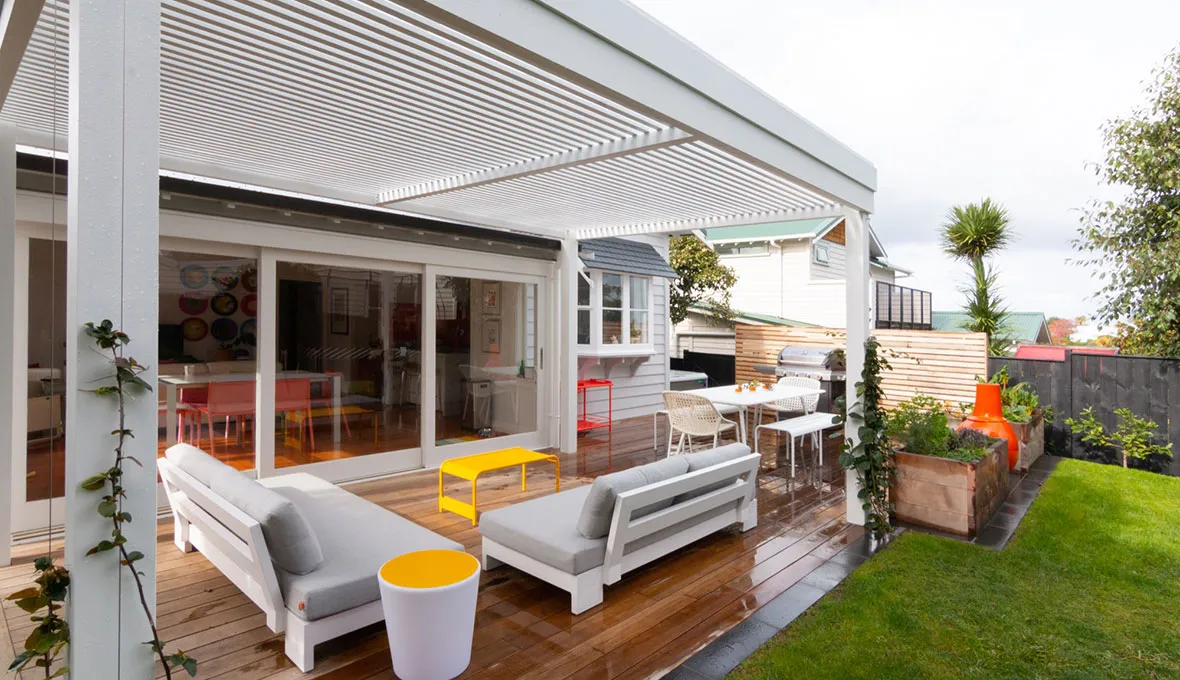


A good outdoor space does more than look neat. It needs to handle heat, shade, drainage, access, and everyday use. That is why strong landscape design matters from the start.
For many Australian homes, the best results come from planning the whole space together, not room by room. That includes the entertaining area, the paths, the retaining walls, and the way water moves across the site.
Start with the way the space will be used
Every property has different needs. Some families want a spot for weekend meals. Others need a low maintenance yard that still feels finished. Some want a better link between the house and the garden.
That is where outdoor rooms can make a big difference. A covered area, paved zone, or alfresco setting can turn unused ground into a practical living space.
Match the design to the site
Australian outdoor areas face strong sun, sudden rain, and long dry spells in many regions. Materials need to suit the climate. Layout matters too.
A well planned outdoor entertaining area can create shade, improve flow, and make the yard easier to use across the seasons. When the design is right, the space feels natural rather than forced.
Think about structure before surface finishes
It is easy to focus on decking, paving, or planting first. But good structure comes before finishes. That means checking levels, soil movement, access, and drainage.
If the site is sloped, retaining walls may be needed to shape the land and hold everything in place. They can also help define zones and improve the overall look of the garden.
Make movement through the yard simple
A space feels better when people can move through it easily. Straight paths, clean edges, and practical entry points make a big difference. This is especially useful for busy family homes and properties with a front to back flow.
Driveways and paths should be built to last and designed to suit the style of the home. Gravel, paving, and hardscape details all affect both the look and the long term upkeep.
Add features that improve daily living
A good outdoor area should be used often, not just admired from inside. That is why many homeowners add cooking areas, seating zones, and weather friendly materials.
An outdoor kitchen can turn a plain backyard into a true entertaining space. It works best when it is positioned close to the house, with enough room for movement, storage, and easy clean up.
Keep drainage and water control in the plan
Drainage is one of the most overlooked parts of outdoor design. Poor water control can damage paving, stress planting, and create long term maintenance issues.
Good planning helps manage runoff before it becomes a problem. In many cases, rainwater capture and smart water use can also support a more efficient landscape.
Typical timeline and cost control tips
A well planned outdoor project often takes several weeks from design through build, depending on site size, approvals, and complexity.
To keep costs under control, choose materials that suit the local climate, finalise the layout early, and avoid changing the scope once work begins. It also helps to get a proper site assessment before construction starts.
For homeowners across Australia, the best outdoor spaces are the ones that feel easy to live with. A local design review can turn a rough idea into a buildable plan that fits the site, the budget, and the way the home is actually used.




















Sign in to leave a comment.