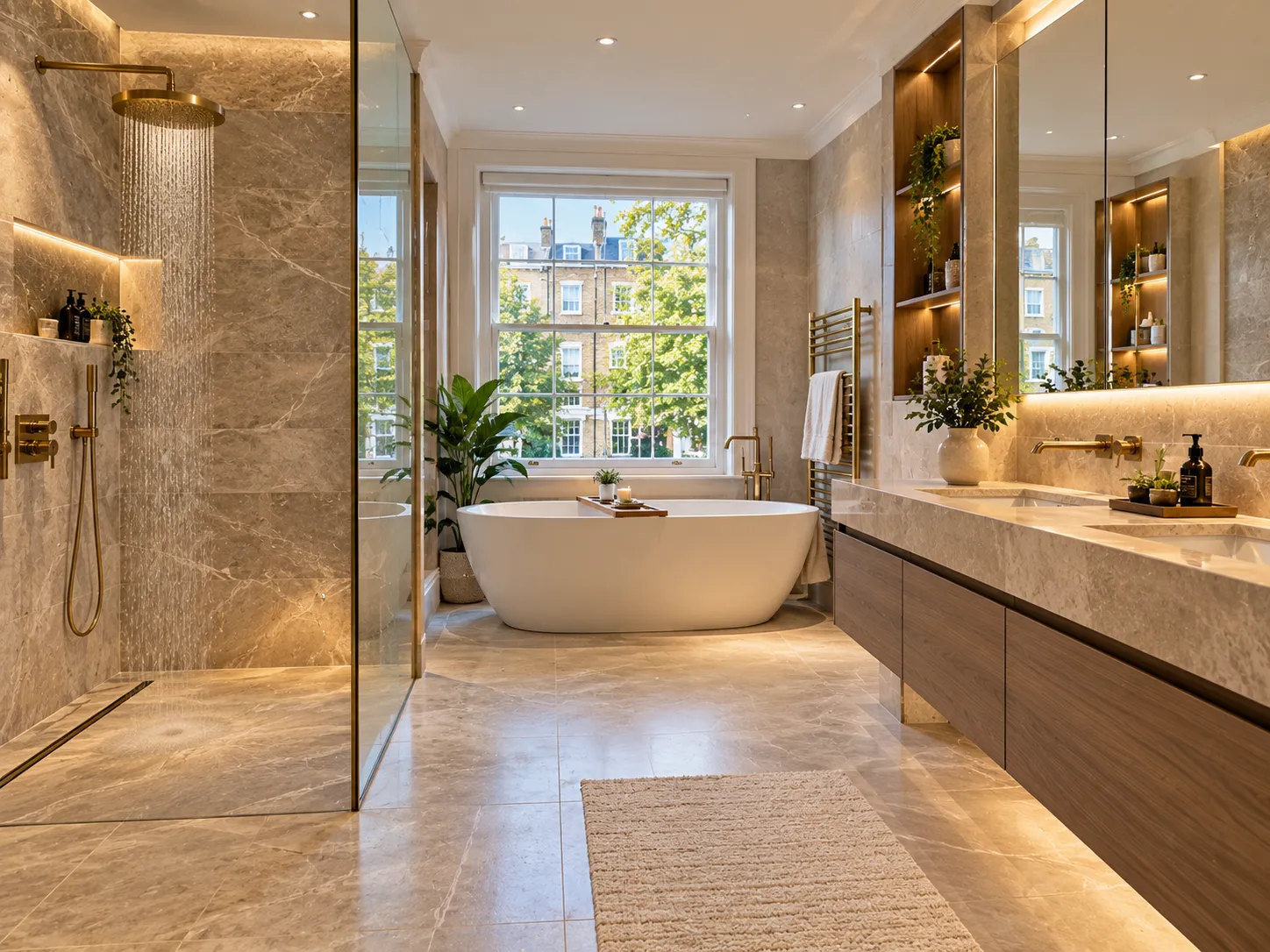

A luxurious bathroom does not have to come with an overwhelming price tag. With careful planning, the right priorities and a realistic budget, you can create a beautiful, comfortable space without spending more than necessary. For homeowners considering luxury bathroom renovations in London, understanding where money makes the biggest difference is the first step towards a successful project.
London properties present different challenges, from compact bathrooms in Victorian terraces to larger bathrooms in modern apartments. The age of your property, existing plumbing, room dimensions and choice of materials can all affect the final bill. A clear plan helps you balance comfort, appearance and long-term value while avoiding expensive changes halfway through the renovation.
The secret is not to choose the cheapest products or remove every premium feature. Instead, decide which improvements matter most, understand the costs involved and spend strategically.
1. Set a Realistic Budget Before Starting
Before choosing tiles, taps or a new bath, establish how much you can comfortably spend. A renovation budget should cover the complete project, including labour, materials, waste removal, plumbing, electrical work and finishing.
Understand the luxury bathroom remodel cost
The luxury bathroom remodel cost varies considerably depending on the size of the room, the quality of fittings and the amount of structural or plumbing work involved.
According to Checkatrade's 2026 bathroom renovation cost guide, a UK bathroom remodel averages around £4,500, while a high-end renovation can exceed £7,500. Complex projects may reach £14,000 or more. These are national guide prices, not guaranteed London quotations, and premium specifications can push costs higher.
Create a working budget with separate allowances for:
- Labour and installation.
- Bath, shower, toilet and basin.
- Tiles, flooring and wall preparation.
- Taps, shower fittings and accessories.
- Lighting, ventilation and electrical work.
- Waste removal and final finishing.
Keep a contingency fund for unexpected issues, especially in older properties. Hidden leaks, damaged flooring or outdated pipework can increase the cost once the existing bathroom is removed. A contingency of around 10–15% is a useful planning allowance, rather than a prediction of what every renovation will require.
2. Keep the Existing Bathroom Layout Where Possible
One of the most effective ways to control luxury bathroom renovations London costs is to retain the existing positions of your bath, toilet, basin and shower.
Moving these fixtures may require changes to water supply pipes, waste pipes, drainage connections and floor structures. In some London properties, particularly older homes, access to these services can be difficult.
Checkatrade identifies the existing layout, room condition and quality of fittings as important factors affecting bathroom renovation prices. Its guidance recommends avoiding unnecessary plumbing changes when planning a more affordable renovation.
Upgrade the appearance without relocating everything
You can make a bathroom feel significantly more luxurious without moving every fixture.
For example, replacing an old vanity unit with a modern storage cabinet, upgrading the shower fittings and installing coordinated accessories can change the room's appearance while leaving the main plumbing connections in place.
If you are considering a different layout, ask for two estimates: one that retains the existing positions and another that includes the proposed changes. Comparing both options helps you understand whether the extra cost is justified by the improvement in everyday use.
This is particularly useful in smaller London bathrooms, where even a small change to the layout can affect access, storage and installation work.

3. Choose Luxury Materials That Offer Long-Term Value
Premium materials can create an elegant bathroom, but the most expensive option is not always the most practical.
When planning luxury bathroom renovations in London, consider how each material will perform under daily use. Bathrooms experience moisture, temperature changes, cleaning products and regular wear, so durability should matter as much as appearance.
Compare materials before buying
Large-format porcelain tiles can create a clean, spacious appearance and may require fewer grout lines than smaller tiles. However, the final installation cost depends on the tile size, surface preparation, cutting requirements and complexity of the room.
Natural stone can provide a distinctive finish, but some varieties require specialist sealing and regular care. Before choosing stone, ask about maintenance requirements and whether the material is suitable for the intended area.
For a premium appearance without the maintenance demands of some natural materials, consider quality porcelain alternatives that reproduce stone or marble finishes.
Spend on features you use every day
A luxury bathroom should feel comfortable, not simply expensive.
Prioritise features that improve daily routines, such as a reliable shower system, comfortable water temperature, practical storage and well-positioned lighting.
A premium shower valve or durable tap may offer more everyday value than an expensive decorative accessory. Similarly, a well-made vanity unit with useful storage can improve the room's functionality while keeping surfaces uncluttered.
4. Create a Luxury Look Through Smart Design Choices
Luxury does not depend entirely on expensive materials. A bathroom can feel refined through consistency, proportion, lighting and careful finishing.
Use a coordinated colour palette
Choose a small group of complementary colours and finishes. For example, warm neutral tiles, a simple vanity unit and matching brassware can create a calm, cohesive appearance.
Using the same finish across taps, shower fittings and accessories can make the room feel more considered without requiring every item to come from a premium collection.
Avoid unnecessary decorative features
Feature walls, elaborate tile patterns and multiple contrasting finishes can increase material and installation costs.
Instead, select one area to receive extra attention. This could be the shower wall, the vanity area or a carefully chosen floor tile.
Keeping the remaining surfaces simpler can help the main feature stand out while reducing the number of materials and installation details involved.
Make lighting part of the plan
Good lighting improves how a bathroom looks and functions. Consider the difference between general lighting, task lighting around the mirror and softer lighting for relaxation.
Discuss the positioning of lights, switches and any illuminated mirrors before installation begins. Electrical work in bathrooms must be planned with safety and applicable building regulations in mind. England's Approved Document P provides guidance on electrical safety in dwellings.
5. Avoid Expensive Changes During Installation
A common budgeting problem occurs when homeowners make major decisions after work has already started.
Changing tile selections, moving fixtures or adding new features during installation can lead to additional labour, material waste and delays.
Before the renovation begins, confirm the main details in writing. Your agreed scope should identify the fixtures, finishes, plumbing work, electrical work, tiling areas and any repairs included in the quotation.
Finalise product choices early
Choose the bath, basin, toilet, taps, shower fittings and tiles before the installation schedule is confirmed.
Check that products are available and that their dimensions suit the room. A large vanity unit or freestanding bath may look appealing in a showroom but could restrict movement in a compact bathroom.
If a product has a long delivery time, arrange its purchase early enough to avoid holding up other work.
6. Compare Bathroom Renovation Quotes Carefully
When comparing quotations for luxury bathroom renovations in London, avoid choosing solely on the lowest total price.
A cheaper quotation may exclude important work, such as removing the old bathroom, preparing walls, waterproofing, disposing of waste or completing electrical checks.
Which? recommends obtaining at least three quotes when arranging bathroom fitting work and asking installers to break down their prices. This makes it easier to compare what each quotation includes.
What should a bathroom quotation include?
A detailed quotation should explain:
- Removal and disposal of the existing bathroom.
- Labour for plumbing, tiling and installation.
- Preparation and waterproofing of relevant surfaces.
- The products and materials being supplied.
- Electrical and ventilation work, where required.
- Finishing, sealing and cleaning.
- Any exclusions, provisional allowances or additional charges.
It is also worth asking about the expected duration of the work, payment stages and arrangements for dealing with delays.
A detailed quotation makes it easier to identify the real luxury bathroom remodel cost rather than comparing headline prices that cover different amounts of work.
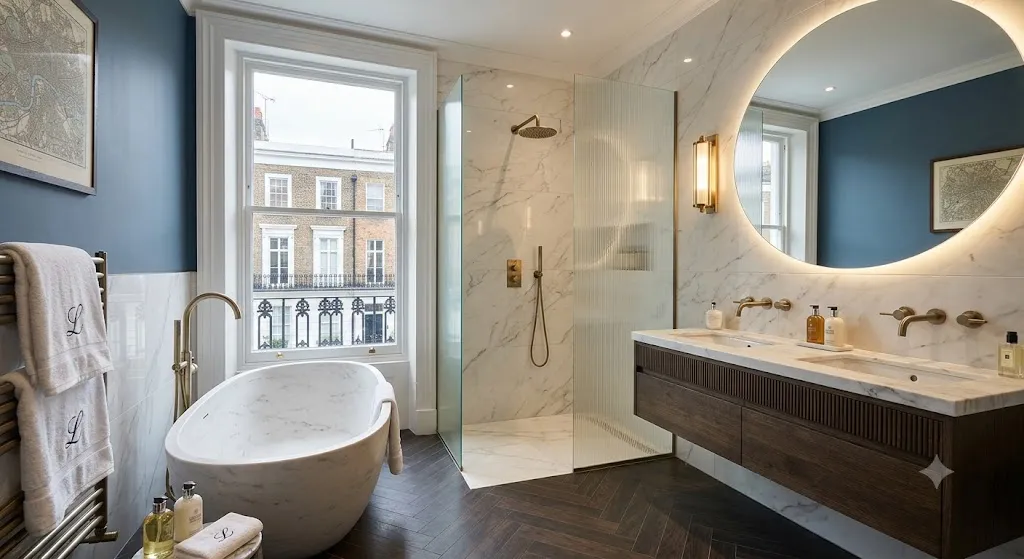
7. Do Not Cut Corners on Waterproofing and Ventilation
Some parts of a bathroom renovation are worth protecting in your budget, even when you need to reduce spending elsewhere.
Waterproofing, suitable ventilation and safe electrical installation are essential considerations. Poor preparation or unsuitable installation can lead to moisture damage, mould, leaks and expensive repairs.
Plan for moisture control
Discuss the waterproofing requirements for the shower, wet areas and floor before tiles are installed. The appropriate preparation depends on the construction, materials and type of installation.
Ventilation is equally important. A bathroom that cannot remove moisture effectively may develop condensation and mould, particularly when it has limited natural ventilation.
The UK government's Approved Document F provides guidance on ventilation requirements in England. Its 2026 edition applies to building work subject to the relevant 2026 standards, while earlier editions may apply under transitional arrangements.
8. Plan for London Property Challenges
London homes can have renovation requirements that are not always obvious at the beginning of a project.
Older properties may have uneven walls, ageing pipework or restricted access. Flats may also have building-management rules, limited working hours or specific arrangements for moving materials through shared areas.
Before work starts, check whether your property has any restrictions that could affect the schedule or cost.
Consider access and waste removal
Ask how materials will be delivered and how the old bathroom will be removed. Narrow staircases, shared entrances and limited parking can affect the practical arrangements for installation.
If you live in a flat, confirm any requirements for notifying the building manager or arranging access to shared facilities.
These details may not change the bathroom itself, but planning them early can reduce avoidable disruption.
9. Build a Luxury Bathroom That Remains Affordable
The most successful renovation plans balance immediate appearance with long-term practicality.
Instead of spending heavily on every feature, decide which improvements will have the greatest impact on your daily routine. A comfortable shower, reliable fittings, useful storage and durable surfaces can provide lasting value.
For homeowners planning luxury bathroom renovations, the key is to make decisions in the right order: establish the budget, confirm the scope, compare quotations, select materials and then schedule the installation.
A realistic luxury bathroom remodel cost should reflect the actual work required, not just the price of the products displayed in a showroom.
What Would You Prioritise in Your Luxury Bathroom?
If you were planning a luxury bathroom renovation in London, would you spend more on a premium shower, natural stone finishes, underfloor heating or a spacious vanity unit?
Share the features you would prioritise and the budget range you would aim for. Your choice could help other homeowners decide where to invest and where to save.
























Sign in to leave a comment.