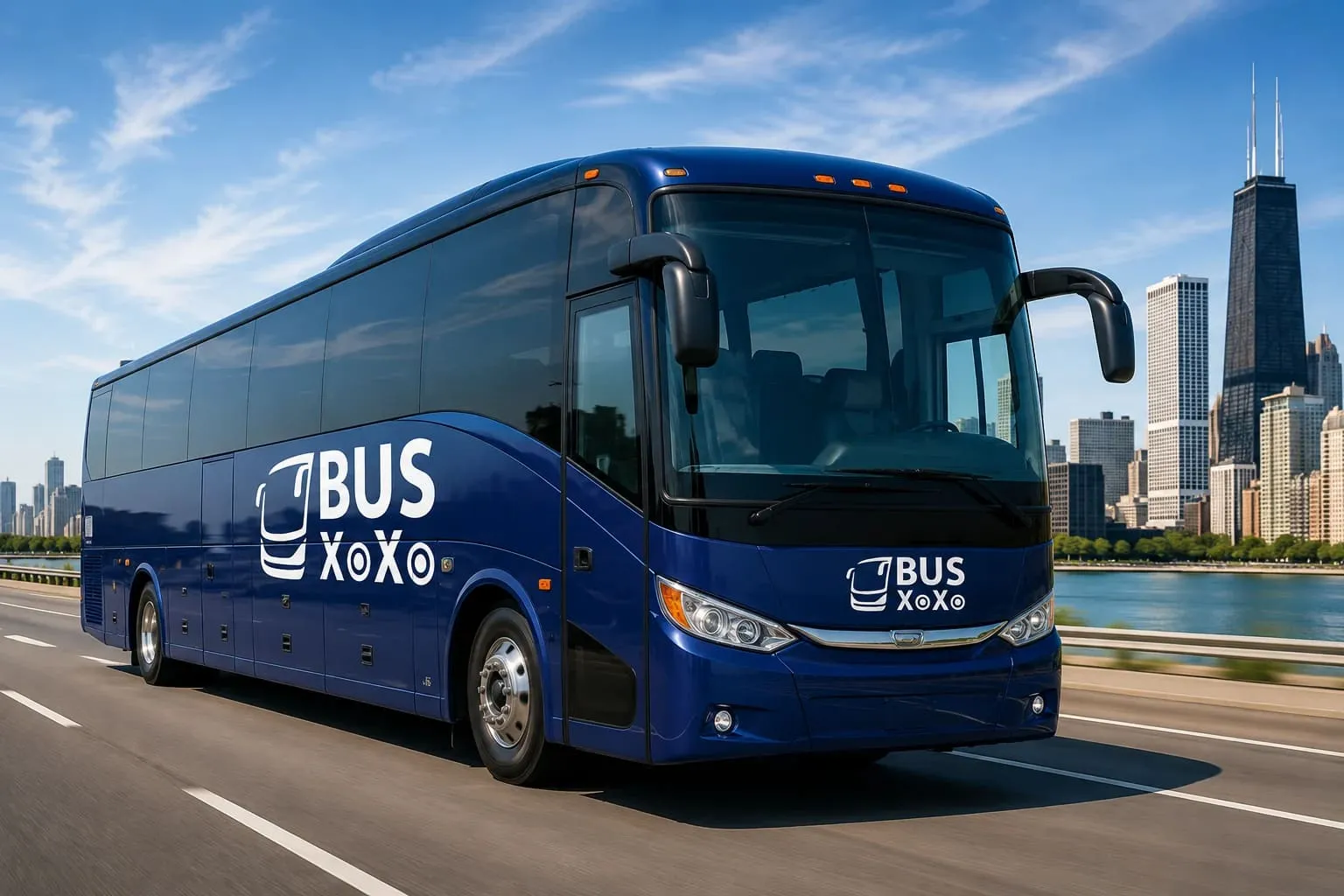

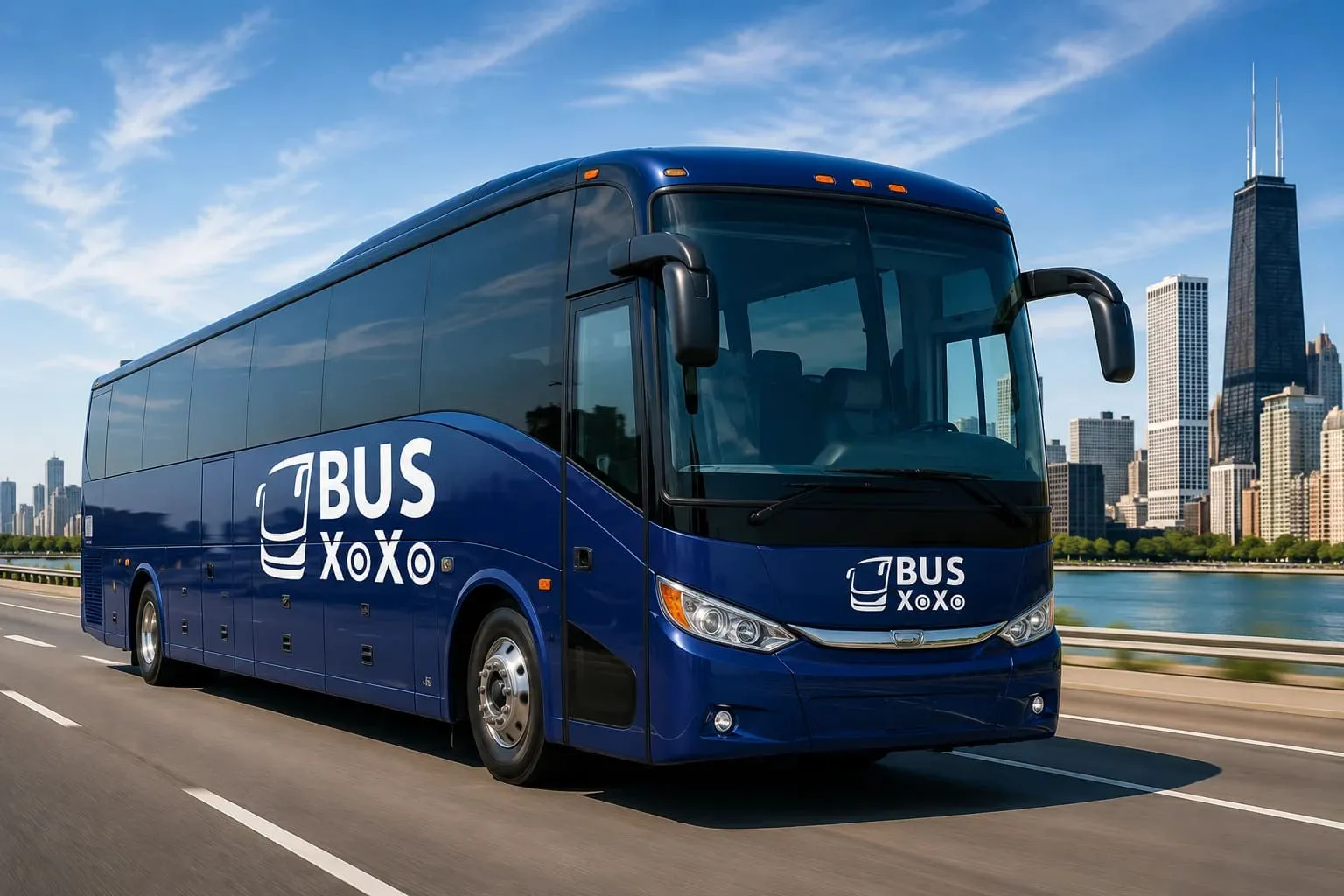
Planning a wedding involves hundreds of details, and transportation is one that can easily be overlooked until the big day gets closer. When guests are staying at different hotels or traveling to a venue they have never visited before, arranging reliable transportation can make the entire experience easier. A wedding bus rental in Texas can help connect hotels, ceremony locations, reception venues, and other scheduled stops while keeping guests together.
Why Wedding Transportation Matters
Guests may arrive from different cities, stay at different hotels, and have varying levels of familiarity with the wedding location. Asking everyone to drive separately can create unnecessary problems with navigation, parking, and timing.
Organized transportation gives the wedding party a central travel plan. Guests know where they need to meet, when they need to leave, and how they will return after the celebration.
This can be especially helpful for weddings held outside major city centers or at venues where parking is limited.
Start With Your Guest List
The number of guests who need transportation should be established before choosing a vehicle. Not every wedding guest necessarily needs a seat on the bus, so create a transportation list based on where guests are staying and whether they have their own transportation.
Separate guests by hotel or pickup area. If most guests are staying at one hotel, a single pickup may be straightforward. If accommodations are spread across several properties, a shuttle loop or multiple pickup times may work better.
Remember to account for members of the wedding party, family members, elderly guests, and anyone who may require additional boarding time.
Choose the Right Wedding Bus
The right vehicle depends on the size of the group and the wedding itinerary.
A smaller wedding party may be comfortable with a minibus, while a larger guest list may require a full-size charter bus. Some weddings may also benefit from a shuttle bus that makes repeated trips between hotels and the venue.
For transportation focused on the celebration itself, a party bus may be another option depending on the group size and event requirements.
Don't choose a vehicle based only on the number of seats. Consider luggage, personal belongings, accessibility requirements, travel distance, and how frequently the vehicle will need to move guests.
Coordinate Hotel-to-Venue Transportation
One of the most common wedding transportation arrangements is moving guests from hotels to the ceremony and reception.
If the ceremony and reception are at different locations, the transportation plan should cover each movement. For example, guests may travel from their hotel to the ceremony, then continue to the reception before returning to the hotel at the end of the evening.
The schedule should account for boarding time at every location. Formal clothing, elderly guests, children, and larger groups can all make boarding slower than expected.
Build the Schedule Around the Ceremony
The wedding ceremony should be the central point of the transportation schedule.
Work backward from the ceremony start time and determine when guests need to leave each hotel. Include enough time for boarding, traffic, venue access, and unexpected delays.
It is generally better for guests to arrive early than to have transportation operating on a schedule that leaves no room for delays.
After the ceremony, determine how much time guests need to move to the reception venue. If photographs or another scheduled activity takes place between the ceremony and reception, include that in the transportation plan.
Consider Multiple Hotels
Texas weddings can attract guests from across the state and beyond, which means accommodations may be spread across several hotels.
If guests are staying at multiple properties, a single bus may not always be the most efficient solution. Depending on the locations, a shuttle loop, multiple pickup waves, or more than one vehicle could make the schedule easier to manage.
Provide exact hotel addresses when planning transportation rather than simply giving the city name. The distance between hotels can significantly affect the timing of the shuttle.
Plan the Return Trip
The transportation plan should not stop once guests arrive at the reception.
Decide when and how guests will return to their hotels after the celebration. If the reception ends late, confirm the final departure time and whether multiple return trips will be necessary.
A staggered return schedule can be useful when guests want to leave at different times. However, the organizer should clearly communicate the available departure windows so guests know what to expect.
Consider Texas Weather and Traffic
Texas weather can change quickly, and major cities can experience significant traffic around sporting events, concerts, festivals, and busy travel periods.
When building the wedding transportation schedule, allow additional time for traffic and weather-related delays. This is particularly important when the ceremony has a fixed start time.
Wedding planners and transportation coordinators should also confirm where buses can legally load and unload at hotels and venues. A location that works for passenger cars may not be suitable for a larger vehicle.
Give Guests Clear Transportation Information
Even the best transportation plan can become confusing if guests do not know where to go.
Provide each guest with the pickup location, boarding time, destination, and return schedule. If possible, identify a transportation coordinator who can answer questions and communicate last-minute changes.
Hotels and venues should also know when the transportation is scheduled to arrive so staff can direct guests toward the appropriate loading area.
Make Wedding Transportation Part of the Planning Process
Wedding transportation should be arranged well before the event rather than treated as a last-minute detail. Start by identifying the guests who need transportation, their hotel locations, the wedding venues, and the expected schedule.
Then choose a vehicle that matches the group size and trip requirements. Consider whether you need a minibus, shuttle bus, full-size charter bus, or another option.
With a well-organized transportation plan, wedding guests can spend less time worrying about directions, parking, and getting between venues and more time celebrating the couple's special day.

























Sign in to leave a comment.