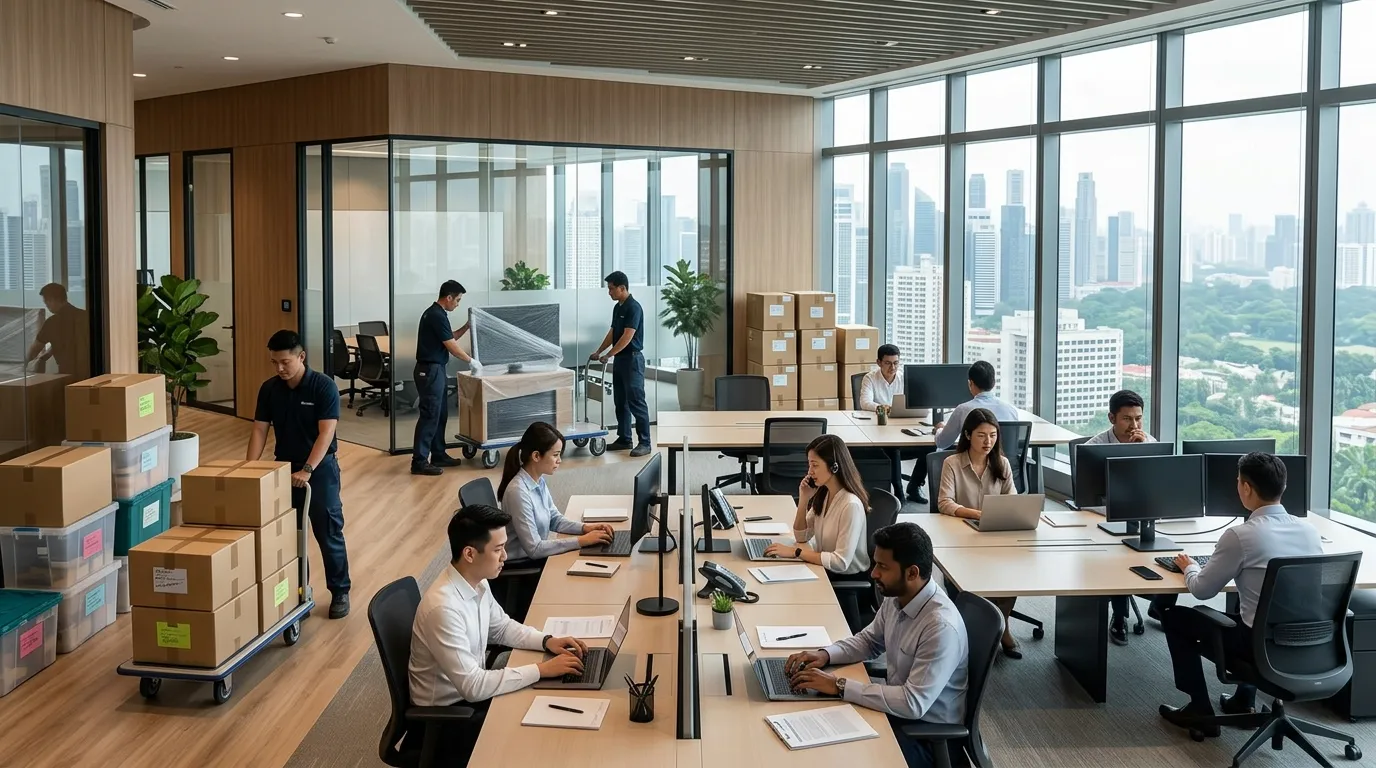

Relocating your office is an exciting step for any business. Whether it’s moving to a bigger space, a better location, or a more modern office, the process comes with challenges. The biggest concern is minimizing disruptions to your daily operations. A poorly planned move can lead to downtime, lost productivity, and frustrated employees. To help you relocate smoothly, here’s a guide to planning your office move in Singapore without disrupting work.
1. Start with a Detailed Plan
The success of your office relocation depends on early and thorough planning. Begin by creating a checklist of all the tasks involved in the move. Break down the process into manageable stages with clear timelines. Include key milestones like finding a moving company, packing, transferring utilities, and setting up the new office.
2. Set a Realistic Budget
Relocating an office can be expensive, so it’s essential to set a budget early on. Factor in costs such as moving services, packing supplies, renovations, and new furniture. Don’t forget to account for any hidden costs, like additional IT setup or temporary storage.
3. Choose the Right Moving Partner
A professional moving company with experience in office relocations can save you time and effort. In Singapore, companies like Moving Kaki specialize in corporate moves. Look for movers that offer comprehensive services, including packing, transport, and unpacking. Confirm that they provide insurance to cover any potential damages.
4. Appoint a Relocation Team
Assign a dedicated team or relocation manager to oversee the process. This team should be responsible for coordinating with the movers, managing the timeline, and addressing any issues that arise. Delegating tasks ensures that the relocation is well-organized without overloading your employees.
5. Communicate with Employees
Keep your staff informed about the relocation from the start. Share details about the new location, the moving timeline, and how their roles might be affected. Clear communication prevents confusion and helps employees prepare for the transition. Encourage feedback and address any concerns they might have.
6. Protect Sensitive Equipment and Data
Office IT equipment, such as computers, servers, and printers, needs special care during a move. Work with your IT team to back up all critical data and ensure equipment is packed securely. Label cables and devices to make setup easier in the new office.
7. Schedule the Move During Non-Business Hours
To avoid disrupting work, schedule the relocation during evenings, weekends, or public holidays. This ensures minimal downtime and allows your team to return to work quickly once the move is complete.
8. Update Your Business Information
Notify clients, suppliers, and stakeholders about your relocation well in advance. Update your address on your website, social media platforms, Google My Business listing, and official stationery. This ensures a smooth transition for your business operations.
9. Prepare the New Office Before the Move
Before moving in, make sure the new office is ready. Complete renovations, clean the space, and set up utilities like electricity, internet, and phone lines. Planning the layout in advance also helps movers place furniture and equipment in the right locations.
10. Test and Settle In
After the move, test all systems, including IT infrastructure, telecommunication lines, and office equipment. Address any issues immediately to ensure business operations are not disrupted. Conduct an orientation for employees to familiarize them with the new space.
Conclusion
Planning an office relocation in Singapore without disrupting work is entirely possible with the right approach. By starting early, working with reliable movers, and keeping everyone informed, you can ensure a seamless transition. Focus on minimizing downtime, protecting critical assets, and maintaining clear communication to make your office move a success.























Sign in to leave a comment.