How to Prepare a Classic Vehicle for a Classic Car Storage Facility

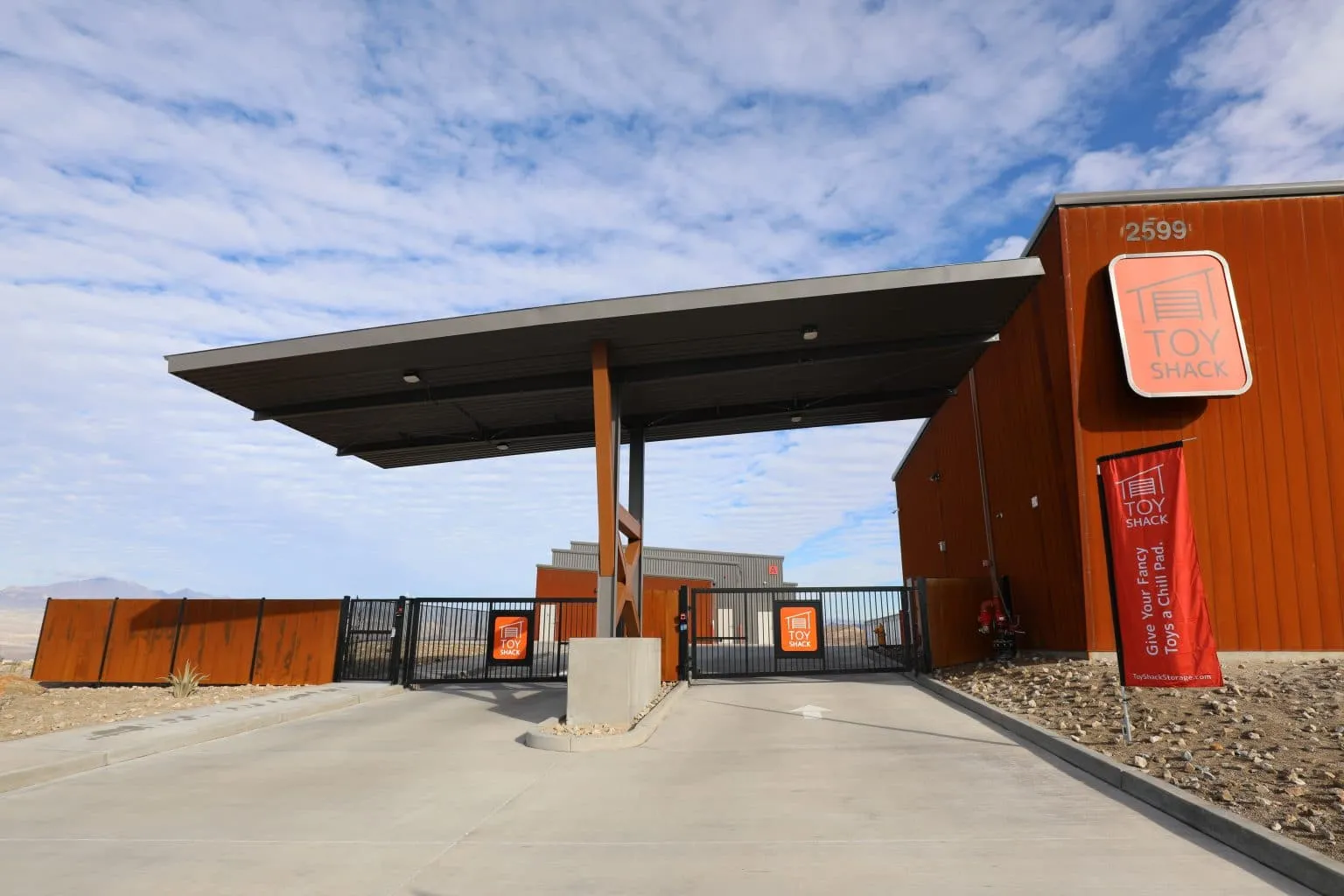
Classic vehicles often require additional preparation before they remain unused for an extended period. Their age, materials, mechanical design, and restoration history can influence the care they need. A classic car storage facility can provide a dedicated place for a vehicle, but suitable preparation remains the owner's responsibility. Cleaning, inspection, mechanical checks, documentation, and an appropriate storage plan can help reduce avoidable problems. Owners should consider the manufacturer's recommendations and seek professional advice whenever the vehicle's requirements are uncertain. A planned approach supports preservation and makes future retrieval easier.
Evaluating the Vehicle's Current Condition
Owners should begin by examining the exterior, interior, tires, visible mechanical components, and any existing protective equipment. Photographs can document the vehicle's condition before it is moved into storage. Scratches, corrosion, leaks, worn seals, and other concerns should be recorded and assessed. Addressing maintenance issues before extended inactivity can prevent them from being overlooked later. A detailed initial inspection also gives owners a useful reference for comparing the vehicle's condition during future visits.
Determining the Storage Duration
The expected storage period influences preparation and inspection requirements. A vehicle stored briefly between drives may need a different maintenance schedule from one remaining inactive for several months. Owners should estimate how often they expect to visit, whether the car will be driven during storage, and what conditions may change. Longer storage periods make careful record keeping and planned inspections particularly valuable. Understanding the intended duration helps establish a realistic preservation routine.
Cleaning and Protecting the Exterior
Washing the Vehicle Carefully
The exterior should be cleaned using methods and products appropriate for the vehicle's finish. Dirt, road residue, and other contaminants should be removed before the car remains stationary for an extended period. Owners should pay attention to accessible areas where debris may collect, including wheel openings and lower body panels. The vehicle should be dried thoroughly before covering it. Proper cleaning helps make inspections easier and reduces the chance that existing contaminants will remain unnoticed during storage.
Applying Suitable Protection
Protective products may help maintain paintwork and exterior trim when selected according to the vehicle's finish and care instructions. Owners should avoid unfamiliar products that could affect original materials or recently restored surfaces. Any protective cover should fit appropriately and be suitable for the storage environment. A cover should not trap unwanted moisture or rub against dirty paintwork. Carefully selected protection can reduce dust accumulation while supporting the vehicle's long term appearance.
Preparing the Interior
Removing Personal Belongings
Personal items, loose papers, food wrappers, and unnecessary accessories should be removed before storage. These materials can create clutter and make inspections more difficult. Owners should also check compartments and the trunk for items that may be forgotten. Important removable accessories can be labeled and stored separately when appropriate. Keeping the interior clear makes it easier to inspect upholstery and other materials during future visits.
Cleaning Upholstery and Interior Surfaces
Interior materials should be cleaned using products appropriate for leather, fabric, vinyl, wood, or other surfaces found in the vehicle. Excessive moisture should be avoided, and the interior should be allowed to dry properly. Owners should inspect visible seams, carpets, and door seals for existing concerns. If special preservation products are needed, their compatibility should be confirmed before use. These steps help maintain interior condition and provide a cleaner environment during storage.
Preparing Mechanical Components
Consulting Manufacturer Guidance
Classic vehicles can have mechanical systems that differ considerably from those of modern automobiles. Engine, cooling, fuel, and lubrication requirements should therefore be checked against suitable documentation. Owners should not assume that a universal storage procedure is appropriate for every model. A qualified mechanic may be helpful when the vehicle has unusual systems or has not been serviced recently. Following relevant guidance helps ensure that preparation supports the specific needs of the automobile.
Checking the Battery and Tires
Battery maintenance should follow the recommendations for the vehicle and battery type. Owners should confirm whether disconnection, periodic checks, or an appropriate maintenance device is suitable. Tires should be inspected for visible damage and maintained according to applicable guidance. Long periods of stationary parking may require additional consideration depending on tire condition and storage duration. Recording completed checks helps owners keep track of essential maintenance before and during storage.
Choosing the Right Parking Arrangement
Measuring the Vehicle
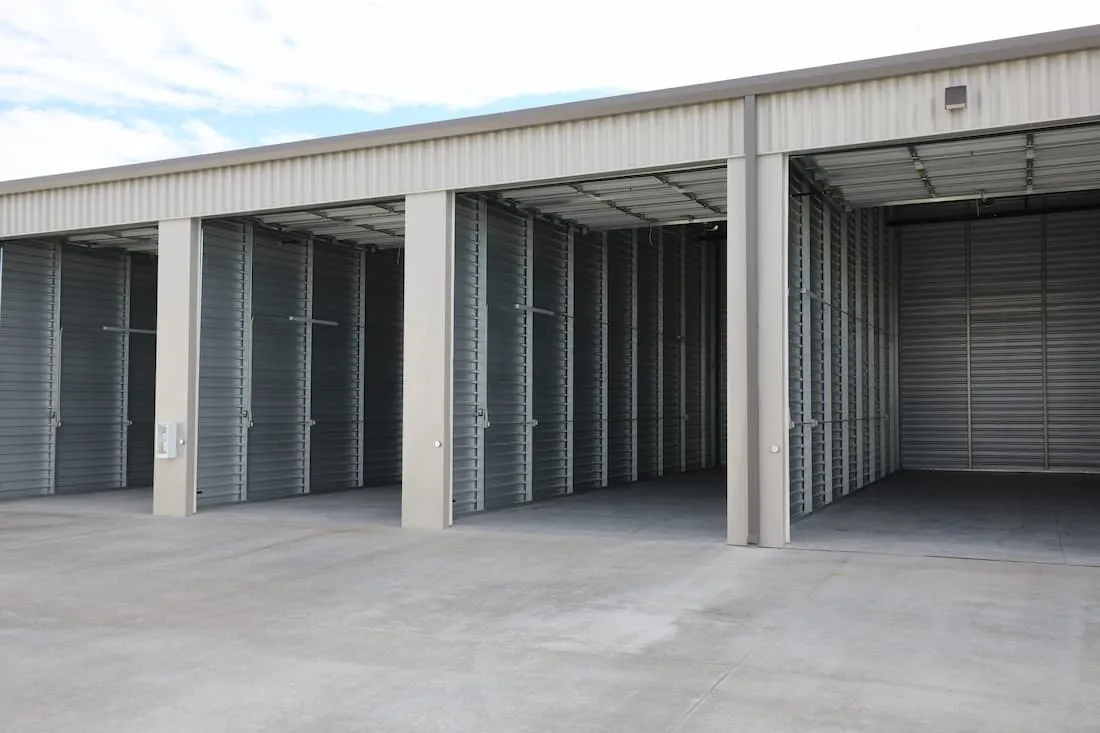
The storage space should accommodate the vehicle's full dimensions while allowing room for safe entry and exit. Owners should consider width, length, door clearance, and any equipment attached to the car. They should also inspect the surrounding layout to ensure that maneuvering will not be difficult. Confirming dimensions before renting reduces the risk of accidental contact with walls or nearby vehicles. Adequate clearance also makes inspections and retrieval more convenient.
Evaluating Environmental Conditions
The storage environment should be appropriate for the vehicle's materials and expected storage duration. Owners should examine cleanliness, ventilation, signs of moisture, and exposure to direct sunlight. Indoor and covered spaces offer different levels of protection, so the actual conditions should be assessed rather than assumed. Owners should ask questions about facility maintenance and any limitations on environmental control. Choosing a suitable arrangement helps support the broader preservation plan.
Reviewing Security and Rental Policies
Understanding Security Measures
Owners should ask about entry controls, cameras, lighting, perimeter fencing, and visitor procedures. They should also determine whether the facility permits additional vehicle security measures. These features can help manage access but should not be treated as guarantees against every risk. High value vehicles may require specific insurance arrangements and additional precautions. Understanding available safeguards helps owners make an informed decision about where to store their automobile.
Reading the Rental Agreement
The rental agreement may explain payment requirements, access hours, permitted activities, insurance responsibilities, and cancellation procedures. Owners should read these terms carefully and ask for clarification when necessary. They should confirm whether maintenance work is allowed and whether there are restrictions concerning vehicle fluids or equipment. Keeping a copy of the agreement provides a reference throughout the rental period. Clear understanding of these rules helps prevent misunderstandings.
Establishing a Storage Inspection Routine
Recording Vehicle Condition
Owners should maintain photographs, service documents, and notes describing the vehicle's condition. Records can include cleaning, battery checks, tire inspections, and maintenance completed before storage. This information helps track changes over time and supports more organized vehicle management. Important documents should be kept in a suitable secure location. A clear record is particularly useful when a classic vehicle requires specialized maintenance or has a detailed restoration history.
Scheduling Follow Up Checks
Follow up inspections should be scheduled according to the vehicle's requirements and the length of storage. Owners can examine visible surfaces, covers, tires, and accessible components while looking for changes that may require attention. Maintenance tasks should follow appropriate recommendations rather than a rigid schedule that ignores the vehicle's condition. Consistent monitoring helps owners identify concerns and prepare more efficiently for the vehicle's eventual return to regular use.
Conclusion
Preparing a classic vehicle for storage involves careful cleaning, suitable mechanical preparation, interior care, accurate documentation, and selection of an appropriate parking arrangement. Security, rental conditions, and regular inspections also deserve attention. Owners should follow vehicle specific recommendations and seek professional assistance when uncertain about maintenance procedures. Thorough preparation can make long term storage more manageable and support responsible preservation. Individuals researching local storage arrangements may consider Toy Shack Storage LLC while comparing options for their classic vehicles.







Sign in to leave a comment.