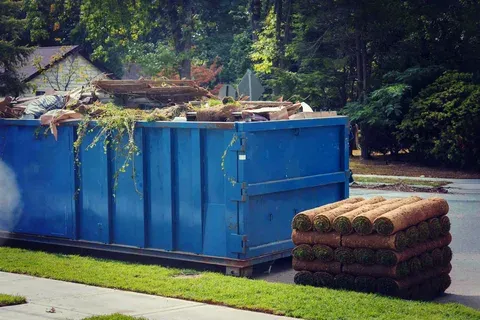

A cleanup project can lose time before the actual work begins if there is no clear plan for removing the waste. Renovations uncover unexpected debris, property cleanouts produce more bulky items than anticipated, and commercial projects often generate several types of discarded material at once. Arranging a container without estimating the waste, checking access, or identifying restricted items can lead to delays and additional handling.
For homeowners, contractors, and property managers, a dumpster rental service in Tulsa OK can make waste collection more manageable when the container size, placement, and pickup schedule match the project. The most effective approach is to plan disposal alongside the work itself, not after debris starts accumulating. A little preparation helps prevent overloaded containers, blocked driveways, unnecessary hauling trips, and confusion about which materials can be accepted.
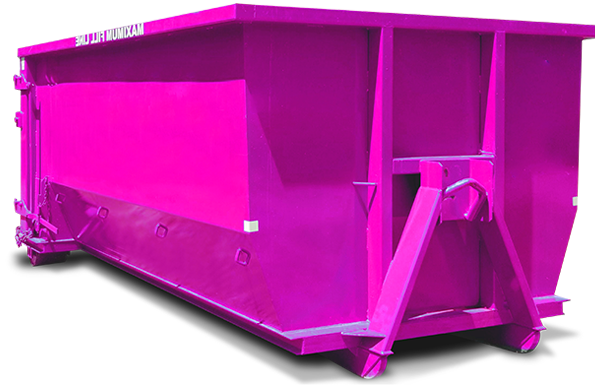
Start With the Work, Not the Dumpster Size
The first step is to understand what the project will generate. A garage cleanout, kitchen renovation, roofing job, and commercial property turnover may all require waste removal, but their disposal needs are different.
Walk through the work area and create a basic inventory. Include bulky objects, loose debris, packaging, and materials expected to emerge during demolition. For renovation projects, account for flooring, cabinets, drywall, trim, fixtures, and other components that will be removed. For a property cleanout, estimate the number of furniture pieces, boxes, and miscellaneous household items.
This inventory does not need to be exact. Its purpose is to give the rental provider a useful description of the job rather than an uncertain request for a particular container size.
Estimate volume and weight separately
Two piles of debris can occupy approximately the same space while weighing very different amounts. Cardboard packaging and broken furniture may fill a container without approaching the weight limit, whereas concrete, brick, tile, and roofing materials can become heavy much faster.
Consider these two questions independently:
- How much physical space will the waste occupy?
- How heavy will the combined load be?
This distinction matters when selecting a container. A large container is not automatically suitable for every heavy material. Ask the provider about weight allowances and whether particular debris requires a dedicated container or separate disposal arrangements.
Account for waste discovered during the job
Demolition often reveals material that was not visible during the original estimate. Removing cabinets may uncover additional flooring work, while opening a wall may expose damaged material that needs assessment before removal.
Leave room in the project plan for these uncertainties. If the expected volume changes substantially, contact the provider before the container is filled. An exchange or additional collection may be more practical than trying to fit everything into an unsuitable load.
Match the Rental Arrangement to the Project Schedule
A container should arrive when the site is ready to use it and remain available for a realistic period. Ordering too early can occupy valuable space, while arranging delivery after demolition begins may force workers to create temporary debris piles.
Coordinate delivery with the first major cleanup stage
For a renovation, identify when significant waste generation will begin. It may make sense to schedule delivery shortly before demolition or removal work starts, provided the property is ready and the container can be accessed.
For an estate or garage cleanout, organize items before delivery if possible. Decide which possessions will be retained, donated, recycled, or discarded. This reduces the likelihood of filling the container with items that could have been used elsewhere.
Commercial projects need additional coordination because deliveries, customer access, employee parking, and contractor activity may compete for the same space. Assign someone to oversee waste collection and confirm that everyone working on the project understands the disposal plan.
Confirm the collection process before booking
Do not assume every rental agreement follows the same pickup procedure. Some arrangements may specify a collection date, while others may require the customer to request removal when the container is ready.
Before confirming the rental, establish the expected delivery window, rental duration, collection procedure, and process for requesting an extension. Ask what happens if weather, delayed materials, or additional work pushes the completion date back.
A clear schedule helps prevent the container from becoming an obstacle after the main work has finished.
Choose a Container Placement That Works on Delivery Day
A suitable container still needs a practical location. The placement area must accommodate the dumpster and the vehicle delivering or removing it. A spot that looks large enough when empty may not provide the clearance required for truck access.
Check the approach and surrounding space
Inspect the proposed location before the scheduled delivery. Look for low branches, overhead lines, narrow gates, parked vehicles, steep approaches, and other obstacles. The driver also needs enough room to maneuver safely.
Keep entrances, essential walkways, emergency access routes, and frequently used loading areas clear. If the worksite is shared with tenants, employees, or customers, communicate where the container will sit and how long it is expected to remain there.
Protect the supporting surface
Consider whether the ground or pavement can support the container and the weight of the loaded debris. A driveway may need protection against scratches or surface damage, particularly when heavy equipment or materials are involved.
Ask the rental provider whether boards or another protective arrangement are appropriate for the proposed surface. Avoid improvising without checking that the placement remains stable and suitable for the delivery equipment.
Check permissions before using public space
A private driveway and a public street are not interchangeable placement options. If the container may occupy a street, sidewalk, or other public right-of-way, contact the relevant local authority to determine whether authorization or additional precautions are required.
Do this before booking delivery. A rental agreement confirms the service arrangement, but it does not necessarily establish permission to occupy public property.
Understand What Can and Cannot Go in the Container
Waste acceptance deserves attention before loading begins. A rental container is not a universal disposal solution, and some materials need specific handling because of their hazards, composition, or disposal requirements.
Ask the provider for its list of accepted and prohibited items. Be specific when describing paint, chemicals, batteries, tires, appliances, electronics, and construction materials that may require special arrangements. Rules can differ by provider, facility, and waste category.
Separate household pollutants and chemicals
During a garage, basement, or workshop cleanout, it is common to find old paint, solvents, lawn chemicals, automotive fluids, batteries, and cleaning products. These should not automatically be mixed with general debris.
The City of Tulsa's household pollutant disposal guidance explains that improperly discarded household chemicals can threaten people, wildlife, and the environment. Tulsa operates a Household Pollutant Collection Facility for specified residential materials, although acceptance depends on the item and applicable eligibility requirements.
Keep chemicals in their original, labeled containers when possible, store them securely, and do not combine unknown substances. Confirm an appropriate disposal route before moving them. Commercially generated waste may be subject to different arrangements from household pollutants.
Treat suspected asbestos as a separate issue
Older renovation or demolition projects may involve materials suspected of containing asbestos. Do not assume that such material can be handled like ordinary drywall, insulation, or flooring debris.
Oklahoma DEQ's asbestos renovation and disposal guidance explains that certain renovation and demolition projects are subject to notification and waste-handling requirements. Applicable requirements depend on the structure and project, so obtain appropriate professional guidance before disturbing suspected asbestos-containing material.
Identifying this issue early can prevent unsafe handling and disruption after demolition has already started.
Compare Rental Quotes on Equal Terms
The lowest advertised price does not necessarily represent the lowest total cost. Rental arrangements can differ in container capacity, included disposal allowance, rental duration, collection procedures, and charges associated with heavy or restricted waste.
Request a written estimate based on the same project details from each provider you compare.
| What to compare | What to confirm |
|---|---|
| Container capacity | Dimensions and approximate volume, not just the size label |
| Weight allowance | Included weight and possible charges for exceeding it |
| Rental period | Number of included days and extension conditions |
| Delivery and pickup | Scheduled dates, service area, and collection procedure |
| Accepted waste | Permitted materials and any exclusions |
| Extra services | Possible charges for additional hauling or container exchanges |
| Site requirements | Placement clearance and any restrictions affecting delivery |
Explain the materials and expected volume accurately when requesting an estimate. If the project involves heavy debris, state that upfront. A quote based on household junk may not apply to a load containing large amounts of concrete or masonry.
For homeowners and contractors comparing roll-off dumpsters in Tulsa OK, the useful question is whether the proposed arrangement suits the actual job. Clear written terms make providers easier to compare and help reduce disagreements when the container is ready for pickup.
Reduce Waste Before It Reaches the Dumpster
Disposal planning can also reduce the amount of material that needs to be hauled away. Not everything removed from a property has to become waste.
Identify reusable materials during preparation
Set aside usable furniture, fixtures, hardware, cabinets, doors, and lumber before demolition debris begins accumulating. Depending on their condition, these items may be suitable for reuse, donation, resale, or a salvage operation.
Keeping reusable items separate prevents them from becoming damaged or contaminated by mixed debris. It also makes it easier to identify what genuinely needs disposal.
Separate recyclable material when practical
Some construction and demolition materials can be recovered, but recycling depends on local facilities, material condition, and contamination. Clean metal, certain wood products, cardboard, and other accepted materials may have recycling or salvage options.
Before making separate piles, confirm that a suitable receiving facility accepts the material and determine whether separate collection is worthwhile. Dividing debris into many categories without an available disposal route can create unnecessary work.
Keep the loading area organized
Assign a designated location for reusable items and another for approved waste. This is particularly helpful when multiple workers are removing materials at the same time.
A simple sorting plan reduces accidental disposal of valuable items and makes it easier to monitor what enters the container. It can also help identify prohibited materials before they become mixed with the rest of the load.
Load the Container Safely and Prepare for Pickup
Once the container arrives, establish basic loading rules before the project gets underway.
Distribute approved materials sensibly rather than piling excessive weight in one area. Break down bulky items where it is safe and practical, and use the available space efficiently. Do not exceed the stated fill line or weight limit, and never leave debris piled beside the container unless the provider has explicitly arranged for it to be collected.
Avoid climbing onto an unstable waste pile to compress it. Keep children and unauthorized people away from the loading area, and use suitable equipment and protective gear when handling sharp, heavy, or dusty materials.
Before requesting collection, inspect the container and surrounding area. Check for prohibited items, overhanging debris, and anything that may prevent safe transport. Remove tools and equipment from the surrounding space, ensure the driver can reach the container, and follow the provider's pickup instructions.
If the container is approaching capacity before the work is complete, arrange the next step early. Waiting until waste can no longer be loaded safely creates unnecessary pressure and may interrupt the project.
Frequently Asked Questions About Dumpster Rental
1. Should I rent a dumpster before starting demolition?
Usually, the delivery should be coordinated with the first major waste-producing stage. Before scheduling it, finalize the placement area, identify likely debris types, and verify that the site is ready. This avoids accumulating waste without a suitable collection point.
2. Can I change the container size after delivery?
That depends on the provider's available equipment, scheduling, and rental terms. Ask about exchanges before booking, particularly if demolition could reveal additional materials. A size change may require an additional delivery or collection arrangement.
3. What should I do with paint, batteries, and chemical products?
Keep these materials separate from general debris until you confirm an appropriate disposal route. Household pollutant programs may accept specific products, but eligibility and acceptance restrictions apply. Do not pour chemicals into drains or combine unknown substances.
4. How can I avoid unexpected rental charges?
Review the written quote and agreement. Pay particular attention to the rental period, included disposal allowance, weight restrictions, prohibited materials, extension terms, and additional haul charges. Give the provider an accurate description of the work rather than selecting a container based on price alone.
5. Is a dumpster suitable for every property cleanout?
No. A rental container is useful when the project generates enough accepted waste to justify one and the property offers suitable access and placement. Smaller cleanouts may be better served by ordinary collection or a local bulky-item program, while hazardous materials and certain specialized waste need separate handling.
Conclusion
A smooth cleanup depends on decisions made before the first item enters the container. Estimating the waste, coordinating delivery with the work schedule, securing a suitable placement area, checking material restrictions, and understanding pickup terms all contribute to a more organized project.
Preparing these details in advance gives homeowners, contractors, and property managers a clearer way to control disposal and avoid preventable delays. The goal is not simply to remove debris, but to make waste handling a planned part of the project from the beginning.





















Sign in to leave a comment.