

Storm chasing combines weather observation, photography, and careful planning to document some of nature's most dramatic events. From towering thunderclouds to distant lightning, every storm presents different opportunities and challenges. A Storm Chasing Masterclass can help photographers develop the technical skills and weather knowledge needed to capture these scenes more effectively.
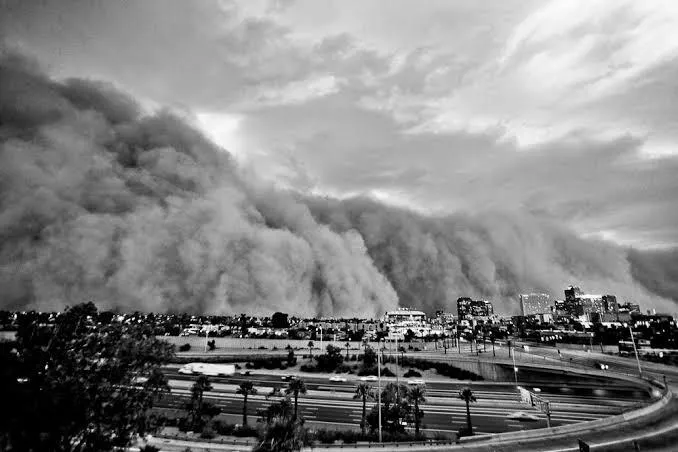
Mike Olbinski is known for dramatic storm photography and weather time-lapse imagery. His work provides inspiration for photographers interested in documenting powerful atmospheric conditions through creative composition and technical precision.
Learn the Basics of Storm Development
Understanding weather is an important starting point for storm chasing. Thunderstorms develop when atmospheric conditions support rising air, moisture, and instability. These processes influence cloud formations, storm movement, and the potential for lightning.
Photographers can use weather forecasts, radar imagery, satellite information, and official alerts to prepare for a photography session. Learning to interpret these resources helps photographers identify potentially interesting conditions before leaving home.
However, weather forecasting is not exact. Storms can change direction, weaken, or develop unexpectedly. A flexible plan is essential when working with changing atmospheric conditions.
Select Suitable Photography Equipment
The right equipment helps photographers respond to different lighting and composition requirements. A DSLR or mirrorless camera with manual controls provides flexibility when photographing storm clouds and lightning.
A wide-angle lens is useful for capturing expansive skies, while a longer focal length can help isolate distant cloud structures from a safe location. A sturdy tripod supports sharp images during long exposures, and a remote shutter release can reduce camera movement.
Other useful items include spare batteries, additional memory cards, lens-cleaning supplies, and suitable weather protection. Photographers should also prepare for changing temperatures and avoid exposing electronic equipment to rain or moisture.
Develop Essential Camera Skills
A Storm Chasing Masterclass should emphasize practical camera techniques alongside weather awareness. Photographers need to understand how aperture, shutter speed, ISO, and focus affect the final image.
Longer exposures can help record lightning under appropriate conditions, while shorter exposures may be useful for capturing particular cloud details or movement. Manual focus can improve consistency when photographing distant subjects against dark skies.
Composition also plays a significant role. Including mountains, fields, or other landscape features can establish scale and make the storm appear more dramatic without requiring a dangerous approach.
Understand Storm Photography Safety
Storm chasing involves genuine hazards, including lightning, damaging winds, hail, and flash flooding. Photography plans should never take priority over personal safety.
Monitor official weather alerts and choose locations with safe access and a suitable retreat. Avoid flooded roads, exposed hilltops, and areas vulnerable to rapidly rising water.
If thunder is audible, seek shelter in a substantial enclosed building or hard-topped vehicle. Do not remain outdoors to finish a photograph or protect camera equipment.
Turn Preparation into Better Photography
Reviewing previous photographs can help identify opportunities for improvement. Compare composition, exposure, timing, and image sharpness to understand which techniques produced the strongest results.
The storm photography of Mike Olbinski demonstrates how patience, weather awareness, and thoughtful framing can contribute to visually compelling imagery.
Conclusion
Preparing for a Storm Chasing Masterclass involves learning about weather systems, selecting suitable equipment, practicing camera techniques, and understanding storm safety.
With consistent practice and responsible planning, photographers can improve their ability to capture dramatic weather scenes while developing their own creative approach inspired by the work of Mike Olbinski.





















Sign in to leave a comment.