

A fresh green lawn can make your yard feel more welcoming, especially when you have been looking forward to enjoying your outdoor space. But before the new grass arrives, there is some important work to do. Preparing the ground properly gives your sod a better chance to grow healthy roots and settle into its new home.
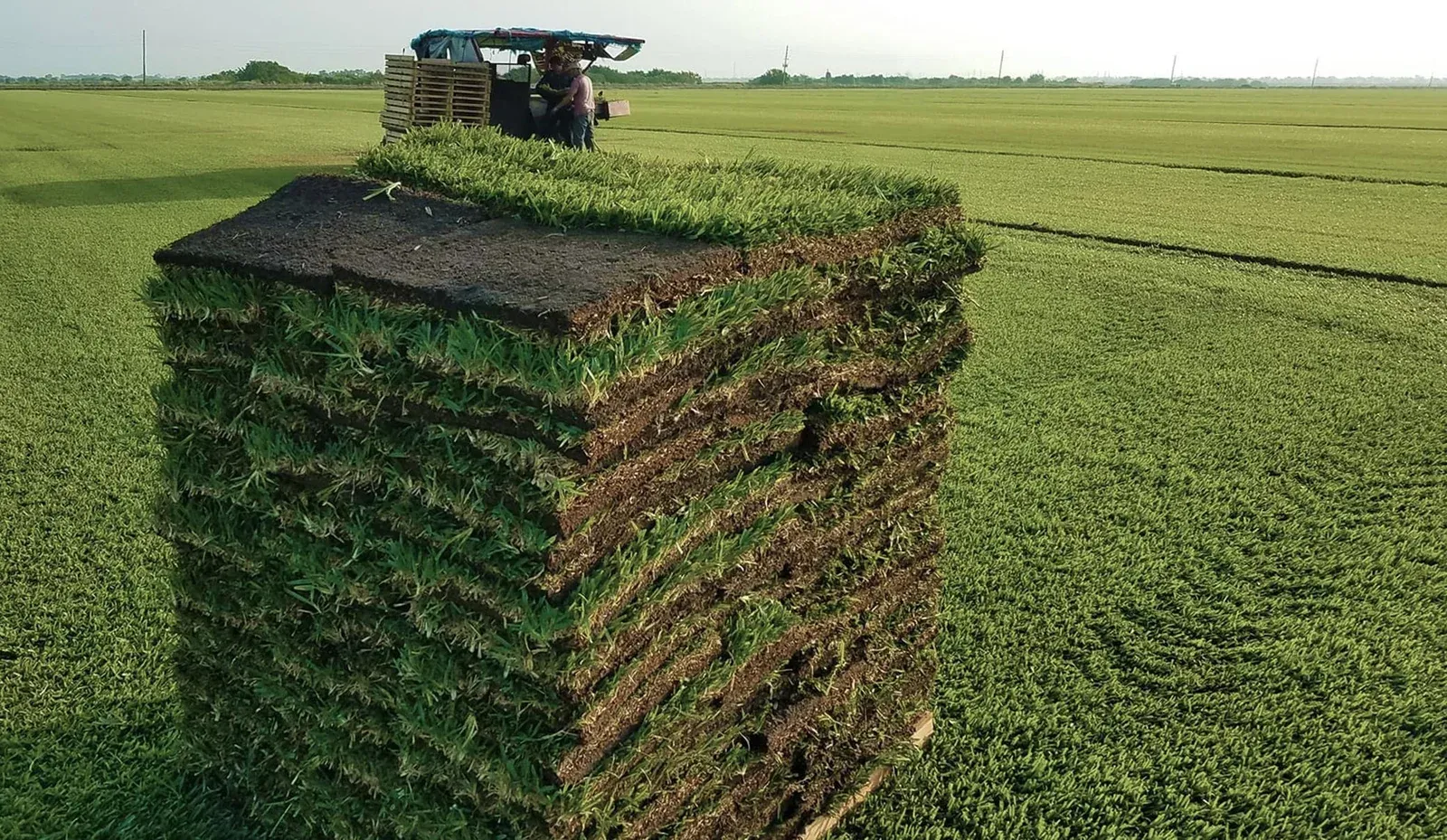
If you are expecting a sod pallet in Jacksonville, FL, getting your yard ready ahead of time can save you stress on delivery day. Here is how to prepare your lawn so you can move from bare soil to a fresh, green yard with fewer problems.
1. Clear Away Old Grass, Weeds, and Debris
Start by looking closely at the area where you plan to lay the new sod. If old grass, weeds, dead roots, or unwanted plants cover the ground, remove them before moving forward.
Leaving old growth underneath can prevent the new sod from making proper contact with the soil. Weeds may also compete with your new grass for water and nutrients.
Make sure you remove:
- Old grass and thick weed growth
- Rocks, sticks, and loose debris
- Dead roots and unwanted plant material
- Any other items that could create uneven spots
Taking time to clear the area gives your new grass a clean surface to grow on.
2. Loosen the Soil Before Laying Sod
Once the yard is clear, check the condition of the soil. Hard, compacted ground can make it difficult for new roots to spread and absorb water.
Use a garden fork, tiller, or other suitable tool to loosen the top few inches of soil. This creates a better surface for the sod to settle into and encourages root growth.
Jacksonville yards can have different soil conditions, so avoid assuming that every lawn needs the same treatment. If your soil drains poorly or stays wet for long periods, address the underlying issue before laying sod. Adding more water to an already wet yard will not solve a drainage problem.
3. Check the Yard for Low Spots and Drainage Issues
Have you noticed puddles forming in certain parts of your yard after heavy rain? Those areas deserve attention before the new grass arrives.
Walk across the prepared ground and look for dips, raised areas, and places where water collects. Fill low spots with suitable topsoil and level high areas as needed.
Your goal is to create a smooth surface that slopes gently away from your home's foundation. Proper grading helps rainwater move away instead of collecting around your lawn or house.
Do not wait until the sod is installed to correct major drainage issues. Fixing them beforehand is usually easier and helps prevent soggy patches, uneven growth, and other lawn problems.
4. Add Topsoil and Level the Ground
Not every yard needs extra topsoil, but some areas may benefit from it. If the existing soil is thin, uneven, or lacking suitable growing conditions, adding a layer of quality topsoil may improve the prepared surface.
Spread the soil evenly and break up large clumps. Then use a rake to smooth the area and remove small bumps.
Avoid making the ground too loose or leaving it fluffy. The surface should be firm enough to support the sod without sinking underfoot. Lightly settling the soil can help reveal low spots that need another pass with the rake.
Pay attention to the edges near sidewalks, driveways, and garden beds. A level transition makes the finished lawn look neater and easier to maintain.
5. Water the Soil Before Delivery Day
Moist soil gives newly laid sod a better starting point, but the ground should not be muddy or waterlogged.
Lightly water the prepared area before installation if the soil is dry. This helps create suitable conditions for the sod to settle against the ground.
Jacksonville's weather can change quickly, so check the forecast before watering. If recent rain has already left the soil moist, you may not need to add more water.
Also, make sure your garden hose, sprinkler, or irrigation system is working. Once the sod arrives, you will need to water it promptly according to the installation and care instructions.
6. Prepare for Your Sod Pallet's Arrival
Your yard may be ready, but have you planned what happens when the sod arrives?
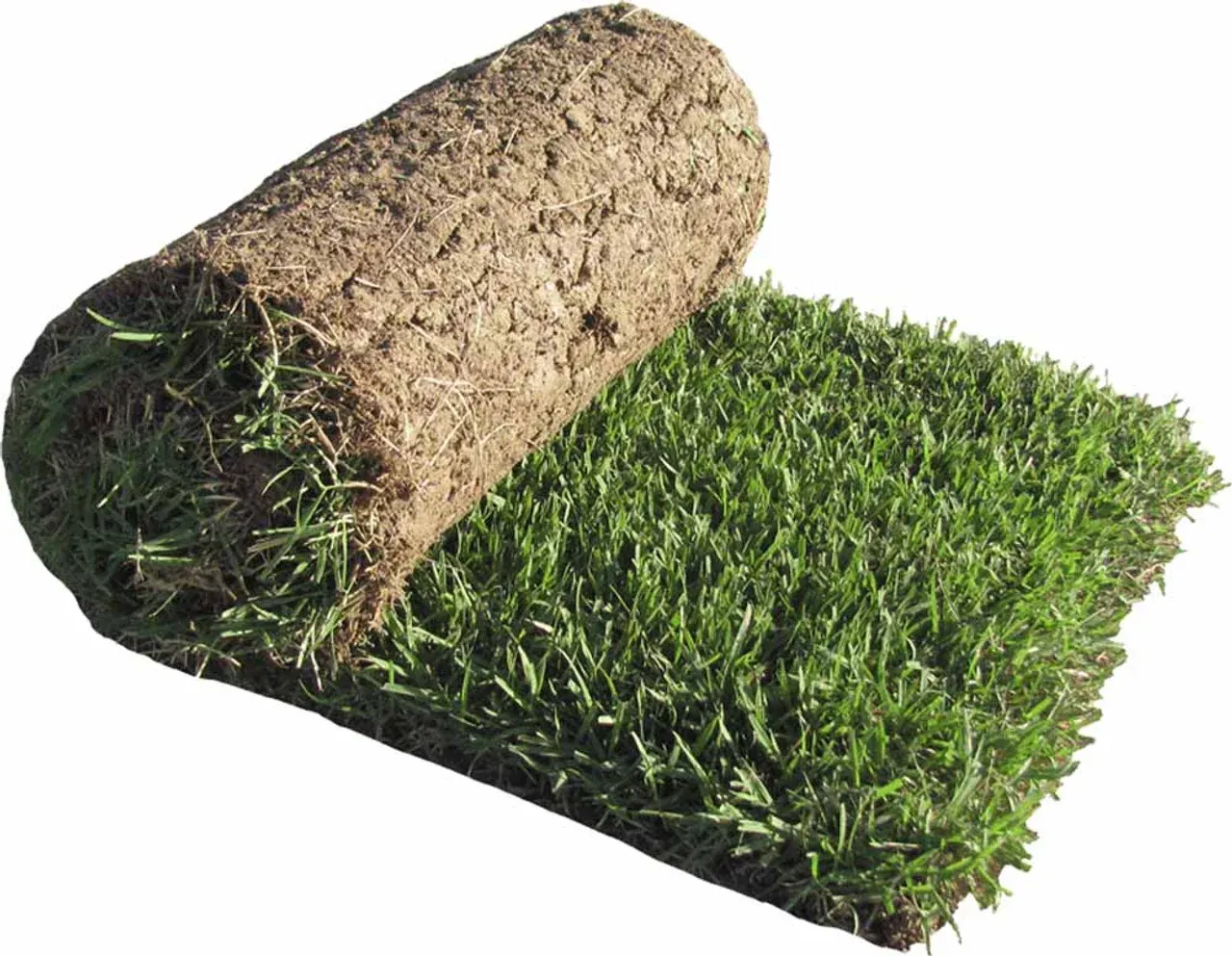
Fresh sod is perishable, and leaving it stacked for too long can cause it to heat up and lose quality. Preparing a few practical details in advance can make installation day much easier.
Before delivery, remember to:
- Clear a convenient area for the pallet drop-off.
- Make sure equipment and pathways can reach the installation area.
- Keep pets, toys, and outdoor furniture away from the prepared ground.
- Have your tools ready, including a rake, shovel, and hose.
- Arrange enough time to lay the sod as soon as possible.
It is also wise to check the delivery schedule and have a plan for installing the sod promptly. The less time fresh sod spends rolled or stacked, the better.
Final Insights:
Preparing your yard before delivery day makes the entire process more manageable. Clearing debris, loosening the soil, correcting low spots, and arranging your watering setup all contribute to a better foundation for new grass.
When planning sod installation in Jacksonville, FL, remember that healthy results begin before the first piece of sod touches the ground. A little preparation now can make it easier for your new lawn to establish roots, grow evenly, and become a comfortable part of your outdoor space.



















Sign in to leave a comment.