

Table of Contents
- What Makes Skin Sensitive in the First Place
- Signs You May Have Sensitive Skin
- How to Protect Sensitive Skin Daily
- Building a Simple Sensitive Skin Routine
- Ingredients to Look for and Avoid
- Common Triggers Beyond Skincare Products
- Where Celestiq Beauty Fits In
- Mistakes That Make Sensitivity Worse
- Final Thoughts
- Frequently Asked Questions
Sensitive skin does not always announce itself clearly. Sometimes it is redness after a new product, sometimes it is random stinging or tightness with no obvious cause. Learning how to protect sensitive skin is less about finding one perfect product and more about building habits that consistently reduce triggers and support your skin barrier.
This blog walks through practical, easy-to-follow tips for skincare for sensitive skin, along with a simple sensitive skin routine you can realistically stick to.
What Makes Skin Sensitive in the First Place
Sensitive skin generally reacts more easily than other skin types due to a few underlying factors:
- A weaker or compromised skin barrier, which allows irritants to penetrate more easily.
- Genetic predisposition, since some people are simply more prone to reactive skin from birth.
- Environmental factors like harsh weather, pollution or excessive sun exposure.
- Overuse of active ingredients or harsh products, which can wear down the skin barrier over time.
- Underlying skin conditions like eczema, rosacea or allergies, which can heighten sensitivity.
Understanding the root cause helps guide which sensitive skin care approach will actually work for you.
Signs You May Have Sensitive Skin
If you are unsure whether your skin is truly sensitive, look for these common signs:
- Frequent redness, especially after cleansing or trying new products.
- A stinging or burning sensation shortly after applying skincare.
- Skin that reacts to weather changes more noticeably than others.
- Tightness or discomfort that does not fully resolve with moisturizer.
- A pattern of breakouts or irritation linked closely to specific ingredients.
Recognizing these patterns early makes it easier to adjust your routine before irritation becomes chronic.
How to Protect Sensitive Skin Daily
These daily habits form the foundation of protecting sensitive skin long term:
- Simplify your routine. Fewer products with fewer ingredients reduce the chances of irritation.
- Patch test everything new, including products labeled "gentle" or "for sensitive skin."
- Avoid hot water, which can strip natural oils and worsen sensitivity.
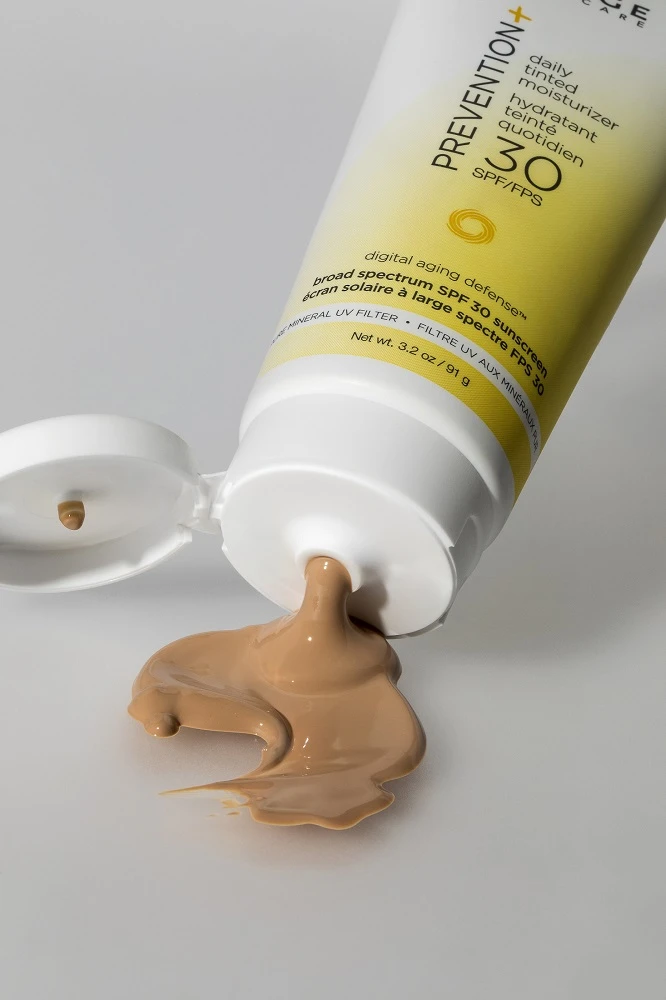
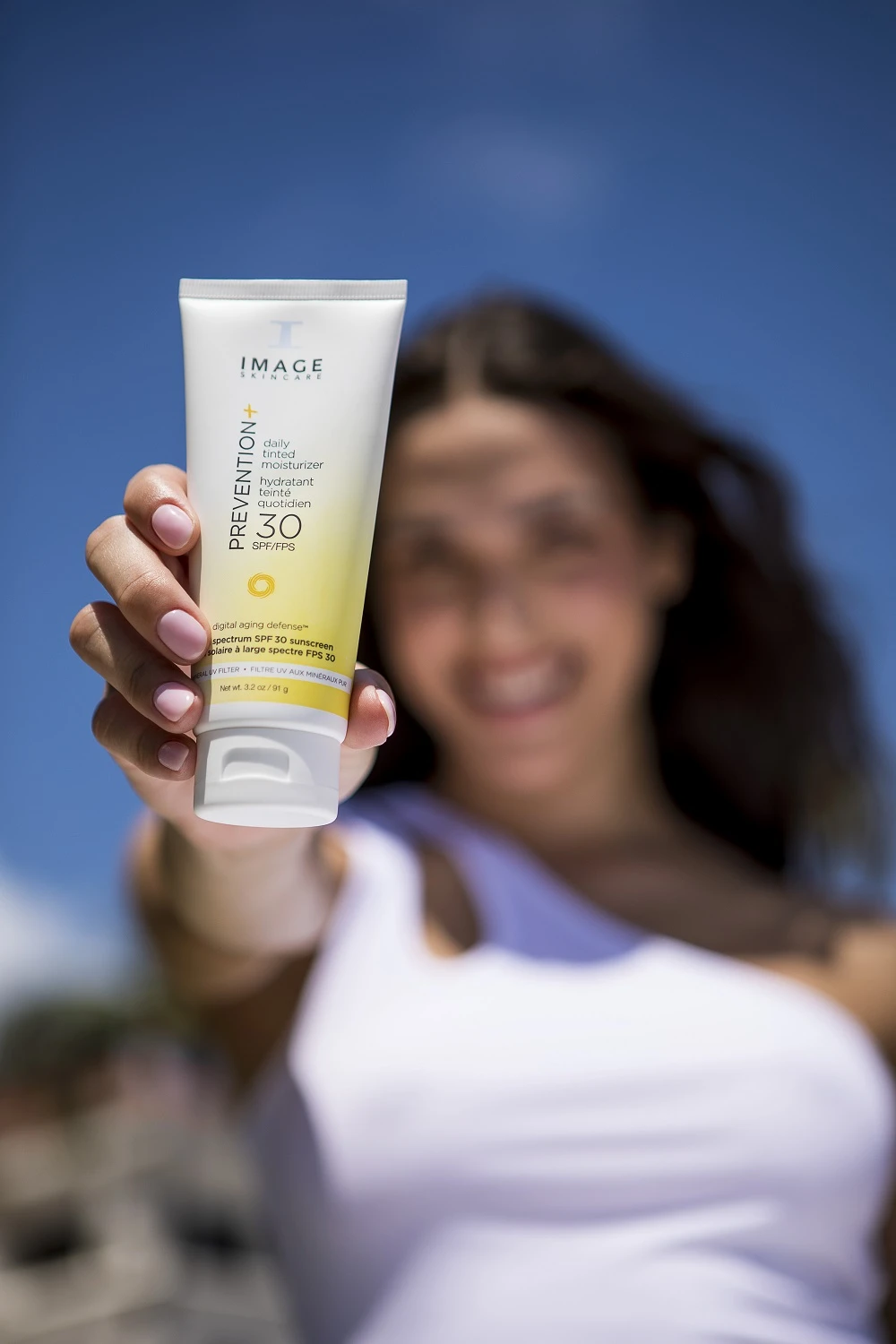
- Use sunscreen daily, since UV exposure can heighten sensitivity and trigger flare-ups.
- Introduce new products one at a time, so you can identify the exact cause if irritation occurs.
Building a Simple Sensitive Skin Routine
A sensitive skin routine works best when it stays simple and consistent:
- Cleanse with a gentle, fragrance-free cleanser, using lukewarm water only.
- Apply a soothing, alcohol-free toner or essence if your skin tolerates it well.
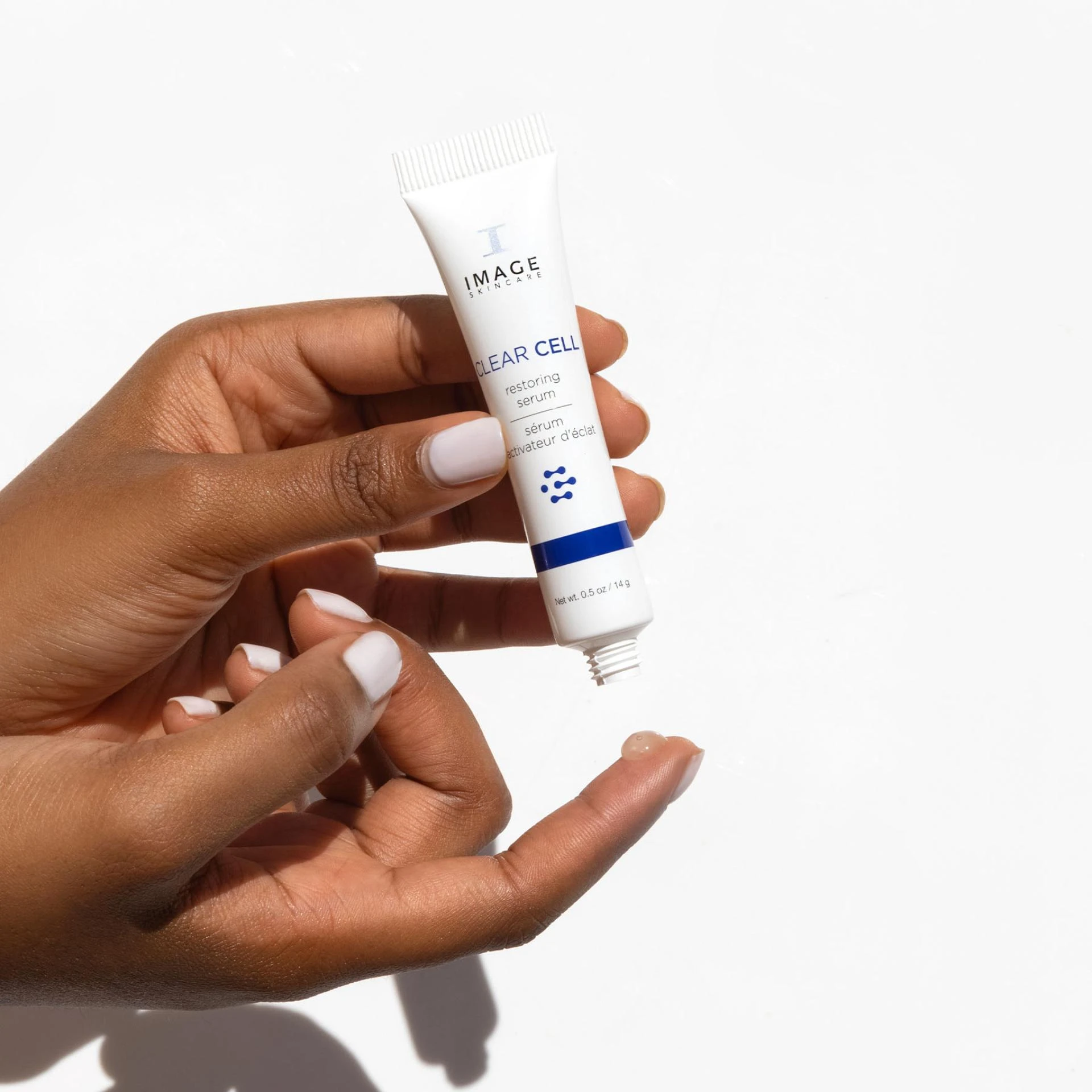
- Use a calming serum with ingredients like niacinamide or centella asiatica.
- Follow with a fragrance-free, barrier-supporting moisturizer.
- Finish with a mineral or gentle chemical sunscreen suited for sensitive skin.
Avoid adding multiple active ingredients at once, since sensitive skin generally responds better to gradual changes.
Ingredients to Look for and Avoid
Choosing the right ingredients plays a major role in protecting sensitive skin:
Look for:
- Centella asiatica, known for its calming properties.
- Niacinamide, which supports the skin barrier and reduces redness over time.
- Ceramides, which help repair and strengthen the skin's natural barrier.
- Hyaluronic acid, offering gentle hydration without irritation.
Avoid or limit:
- Strong fragrances, both synthetic and natural.
- High concentrations of alcohol, which can dry and irritate skin.
- Harsh physical exfoliants with rough, uneven particles.
- Excessive layering of active ingredients like retinol and acids at the same time.
Common Triggers Beyond Skincare Products
Sensitive skin is not only affected by what you apply. Other everyday factors matter too:
- Extreme temperatures, both hot and cold, can trigger flare-ups.
- Stress can worsen skin sensitivity through hormonal and inflammatory responses.
- Certain fabrics, especially rough or synthetic materials, can irritate facial and body skin.
- Diet and hydration levels can also influence how reactive skin becomes over time.
Where Celestiq Beauty Fits In
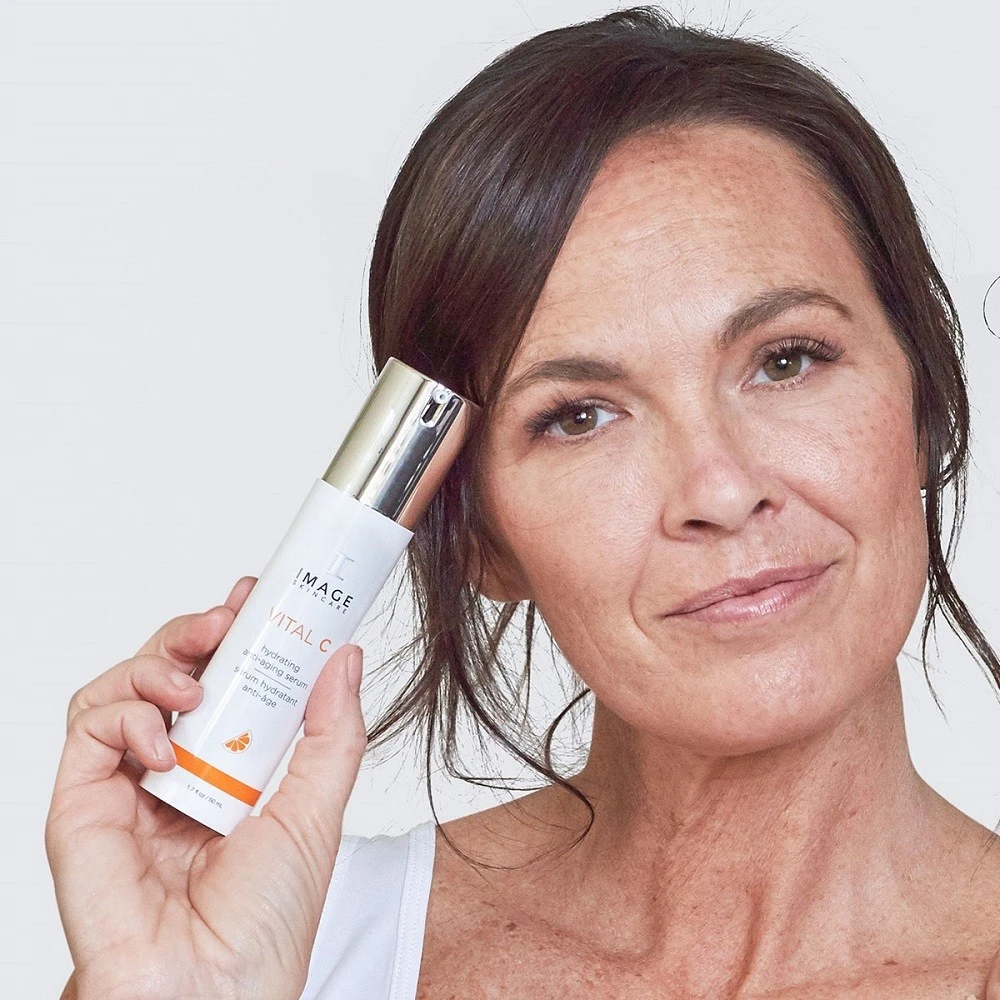
Finding skincare for sensitive skin that actually calms rather than irritates can feel like a long process of trial and error. This is where a brand like Celestiq Beauty simplifies things by focusing on gentle, fragrance-conscious formulas designed to support and protect the skin barrier rather than challenge it further. Whether you need a calming serum, a barrier-repairing moisturizer or a gentle daily sunscreen, choosing consistent, well-formulated products, like those from Celestiq Beauty, makes it easier to build a sensitive skin routine you can actually stick to. For a deeper, more detailed approach, Celestiq Beauty's complete guide on sensitive skin care essentials is a helpful next read.
Mistakes That Make Sensitivity Worse
- Trying too many new products at once, making it hard to identify triggers.
- Over-exfoliating in an attempt to "fix" redness or texture quickly.
- Skipping sunscreen, which leaves already reactive skin more vulnerable.
- Ignoring patch testing, even for products marketed as gentle or hypoallergenic.
- Using hot water or harsh cleansing tools that further compromise the skin barrier.
Final Thoughts
Learning how to protect sensitive skin comes down to consistency, simplicity and paying close attention to how your skin responds over time. A gentle, well-structured sensitive skin routine, paired with the right ingredients and daily habits like sunscreen and patch testing, can significantly reduce flare-ups and discomfort. For a more detailed, step-by-step approach to building this kind of routine, Celestiq Beauty's guide to sensitive skin care is worth exploring further.
Frequently Asked Questions
1. How do I know if I have sensitive skin?
Frequent redness, stinging or reactions to new products are common signs of sensitive skin.
2. Can sensitive skin become less reactive over time?
Yes, with a consistent, gentle routine and fewer irritants, sensitivity can often improve over time.
3. Is sunscreen necessary for sensitive skin?
Yes, daily sunscreen helps protect an already reactive skin barrier from further irritation and damage.
4. Should sensitive skin avoid all active ingredients?
Not entirely, but actives should be introduced gradually and in lower concentrations.
5. What is the biggest mistake people make with sensitive skin?
Using too many products or actives at once, making it difficult to identify what is actually causing irritation.



















Sign in to leave a comment.