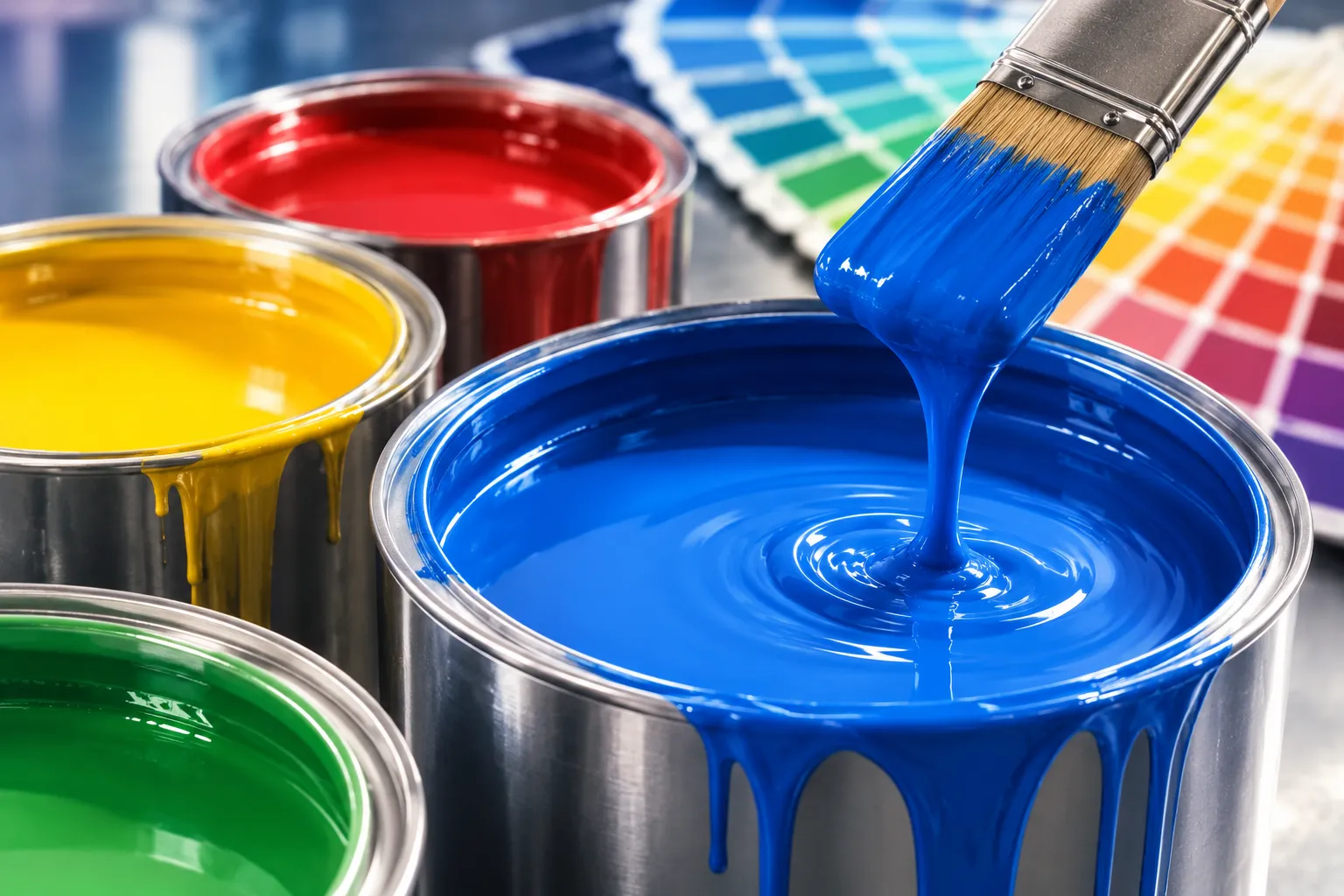

How to Reduce Foam in Paint Manufacturing?
Foam can be a common challenge during paint manufacturing, particularly during mixing, dispersion, grinding, and filling. While some foam disappears naturally, persistent bubbles can affect production efficiency and may contribute to surface defects such as pinholes, craters, and uneven finishes.
One of the main causes of foam is air becoming trapped in the paint during agitation. High mixing speeds can increase air incorporation, while surfactants and other formulation ingredients may help stabilize the bubbles. Temperature changes during processing can also influence foam formation.
Controlling the mixing process is therefore an important first step. Adjusting mixing speed and avoiding unnecessary agitation can help limit the amount of air introduced into the formulation.
Defoamers are another option for managing persistent foam. However, the appropriate type and dosage depend on the specific paint system. Factors such as the resin, pigments, solvents, and other additives can influence how a defoamer performs. Using excessive amounts may also affect surface appearance or other coating properties.
Small-scale trials are useful when evaluating changes to a formulation. Testing different options under representative production conditions can help identify an effective approach without unnecessarily affecting the finished coating.
Foam control is ultimately a combination of proper mixing practices, formulation balance, and suitable additive selection. Understanding where foam originates can help manufacturers address the problem more effectively.





























Sign in to leave a comment.