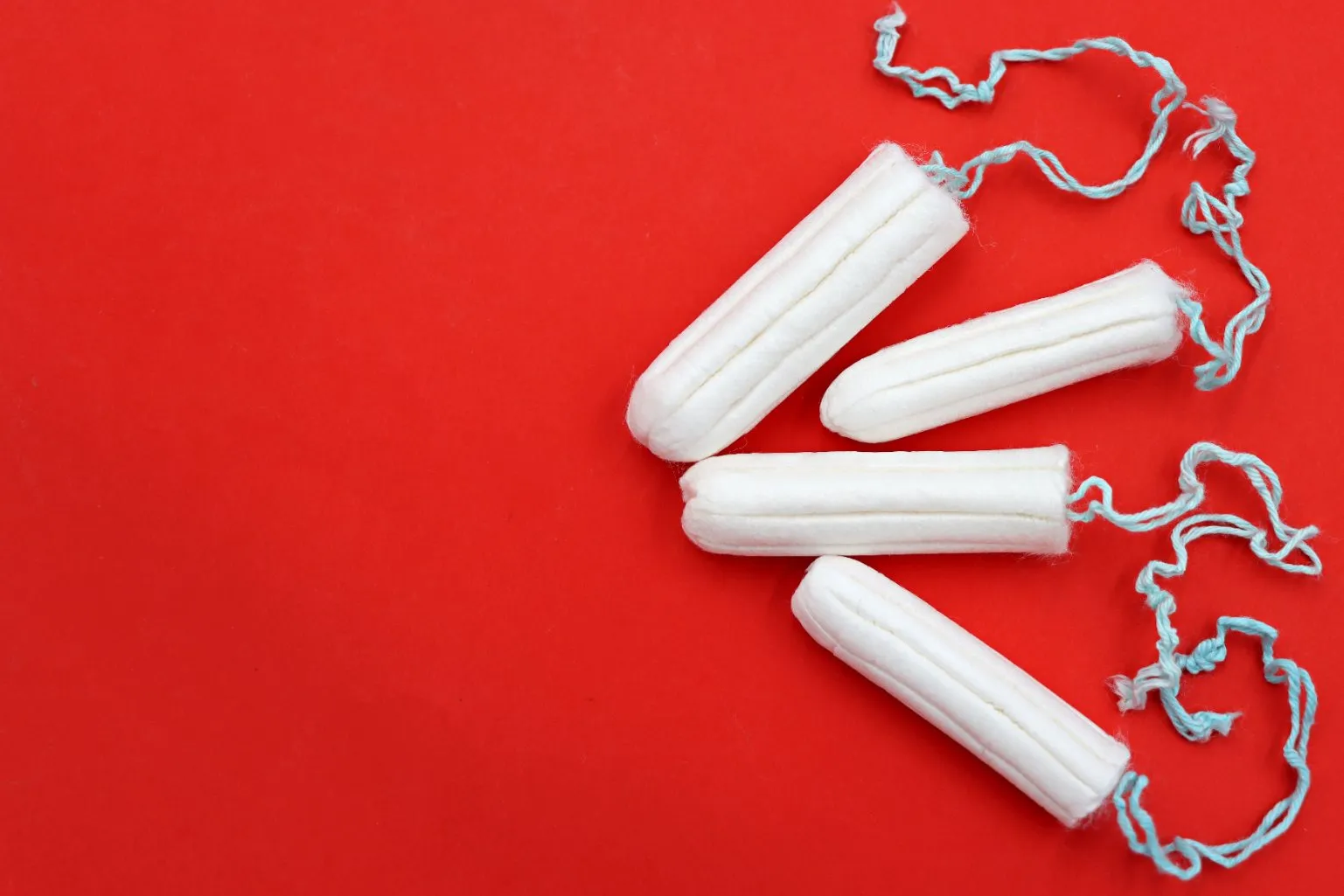

Period cramps are one of the most common problems people experience during menstruation. For some, the discomfort is mild and manageable, while for others, cramps can make it difficult to work, study, sleep, or enjoy normal daily activities. Fortunately, several simple approaches may help reduce menstrual pain.
If you are looking for how to reduce period cramps, this guide explains practical home remedies, lifestyle habits, possible causes of painful periods, and signs that mean it may be time to speak with a healthcare professional.
What Causes Period Cramps?
Period cramps happen mainly because the uterus contracts to help shed its lining during menstruation. These contractions are influenced by hormone-like substances called prostaglandins.
Higher levels of prostaglandins can cause stronger uterine contractions and may be associated with more intense pain. Cramps are often felt in the lower abdomen, but the discomfort can also spread to the lower back or thighs.
Pain can vary from person to person and may change throughout life.
How to Reduce Period Cramps at Home
If menstrual cramps are uncomfortable but manageable, several self-care methods may provide relief.
1. Use a Heating Pad
Applying gentle heat to the lower abdomen or lower back is one of the simplest ways to manage period discomfort. A heating pad, hot-water bottle, or warm compress may help relax muscles and ease cramping.
Avoid placing extremely hot objects directly against the skin, and follow the safety instructions for your heating device.
2. Take a Warm Bath or Shower
Warm water can help relax tense muscles and may make cramps feel less intense. A warm shower can also provide temporary comfort when you are experiencing backache or abdominal discomfort.
3. Try Gentle Exercise
Although exercising may be the last thing you want to do during a painful period, gentle movement can help some people feel better.
Walking, stretching, yoga, or other light activities may improve circulation and help relax the body. You do not need to perform intense workouts—choose movement that feels comfortable.
4. Stay Hydrated
Drinking enough water throughout the day supports overall health. Some people find that warm fluids, such as caffeine-free herbal tea, are soothing during their period.
Limiting excessive caffeine may also be helpful if you notice that it makes you feel more uncomfortable, anxious, or bloated during menstruation.
5. Get Enough Rest
Pain can feel harder to manage when you are exhausted or stressed. Try to maintain a regular sleep schedule and give yourself time to rest when cramps are particularly uncomfortable.
Relaxation techniques such as deep breathing, gentle stretching, meditation, or quiet activities may also help reduce tension.
6. Consider Over-the-Counter Pain Relief
Some over-the-counter medicines can help relieve menstrual cramps. Nonsteroidal anti-inflammatory drugs (NSAIDs), such as ibuprofen or naproxen, can reduce prostaglandin production and may work best when taken early in the menstrual period or when symptoms begin.
Always follow the package directions and check whether the medicine is appropriate for you. If you have certain health conditions, take other medicines, or are unsure what is safe, ask a doctor or pharmacist before using pain medication.
Why Period Cramps Can Be So Bad
If you often wonder why period cramps so bad, there can be several possible explanations.
Some people naturally experience stronger menstrual cramps because their bodies produce higher levels of prostaglandins. However, severe or worsening pain can sometimes be associated with an underlying condition.
Possible causes of severe menstrual pain include:
- Endometriosis
- Adenomyosis
- Uterine fibroids
- Pelvic inflammatory disease
- Ovarian cysts
- Cervical or uterine conditions
Severe cramps do not automatically mean that you have one of these conditions. A healthcare professional can evaluate your symptoms and determine whether further testing is necessary.
When Should You See a Doctor About Period Cramps?
Mild to moderate cramps can often be managed with home care. However, you should consider speaking with a healthcare professional if:
- Your period pain is severe or getting worse.
- Pain prevents you from going to school, work, or completing daily activities.
- Pain does not improve with usual self-care.
- You have very heavy menstrual bleeding.
- You experience pain between periods.
- You have pain during sex.
- You experience unexplained infertility.
- Your periods suddenly become much more painful than before.
Seek urgent medical care if severe pelvic or abdominal pain occurs suddenly, particularly if it is accompanied by fainting, severe weakness, fever, vomiting, or possible pregnancy.
Can Lifestyle Changes Help Prevent Cramps?
Healthy habits may help some people manage menstrual symptoms over time. Regular physical activity, adequate sleep, balanced nutrition, hydration, and stress management can all support general well-being.
Keeping a menstrual diary can also be useful. Record when your period begins, how long it lasts, the intensity of your cramps, bleeding patterns, and any other symptoms. This information can help you identify patterns and provide useful details to your healthcare professional.
Final Thoughts
Knowing how to reduce period cramps can make menstruation easier to manage. Heat, gentle movement, adequate rest, hydration, relaxation, and appropriate pain relief can all be useful options for many people.
At the same time, it is important not to dismiss severe menstrual pain as something you simply have to tolerate. If you regularly wonder why period cramps so bad, especially when the pain interferes with your daily life or becomes progressively worse, talk to a healthcare professional.
Your period should not prevent you from living your normal life, and persistent or severe pain deserves proper attention.





















Sign in to leave a comment.