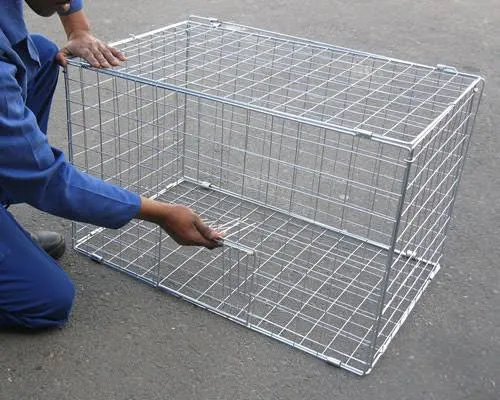

The pigeons destroy your roof, clog the gutters, and soil everything they come into contact with. The following is an outline of the actual damage being done, the reasons for constant bird infestation, and how using a feral pigeon trap, exclusion methods, and continuous cleaning can protect your property from unnecessary expenses.
Why Pigeon Damage Is Worse Than You Think
Most people see a pigeon and think, meh, it’s just a bird. Then a year later they’re staring at a roofline that looks like it got hit with a paint bucket. Pigeons aren’t dangerous in the dramatic sense, but they’re relentless. They show up, they settle in, and they bring their friends.
The damage builds slowly, which is the problem. Nobody notices until the repair quote lands on the desk. By then you’re not fixing a bird problem, you’re fixing a building problem.
What Droppings Actually Do to Your Property
Pigeon droppings are acidic. That’s not a fun fact, it’s the reason your metal flashing is pitting and your paint is peeling. Left long enough, the waste eats into concrete, stone, roofing membranes, even car finishes in the parking lot below a ledge.
Wet droppings are slick too. A walkway under a popular roost can turn into a liability claim waiting to happen. I’ve seen property managers shrug at a few stains, and then someone slips on a loading dock and suddenly it’s a real conversation.
Clogged Gutters, Drains, and Roof Trouble
Nesting material is the sneaky one. Twigs, feathers, dead babies (yeah, it happens), and old droppings all pile up in gutters and downspouts. Water can’t move, so it sits, and sitting water finds a way in.
Rotted fascia, leaking seams, ceiling stains inside. You think it’s a plumbing issue, but it started with a nest on the roof edge. Drain systems for commercial roofs are most prone because pigeons like the heat and shelter near the drains.

Why Pigeons Continue To Come Back
This is the one mistake that people make. Pigeons are homers, which means that once they have settled on your property as their home, they continue to come back. Not only do they come back, but they also train the younger pigeons to come back with them. This is not something that will be fixed by chasing them away just once or twice.
What they need is very simple. They need shelter, safety, food, or some combination of these.
Start With Exclusion, Not Guesswork
Before you buy anything, walk the property. Look up, honestly. Check ledges, signage, rooftop units, under awnings, beams in loading areas, any flat spot a bird could stand on. That’s your map.
Exclusion means making those spots unusable. Netting across open eaves, metal spikes on narrow ledges, slope panels on wide ones, tight mesh over vents. It’s not flashy work, but it’s the part that lasts. Done right, it can hold for years, done sloppy and birds find the one gap you missed.
Where a Feral Pigeon Trap Fits In
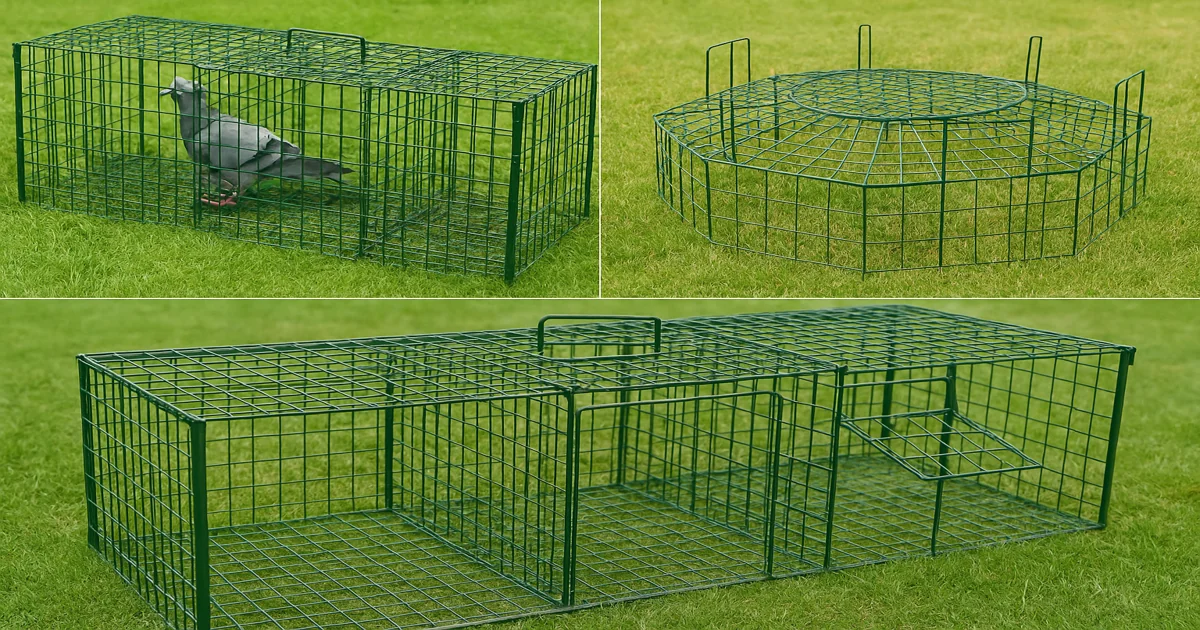
Exclusion keeps birds from landing, but what about the flock that’s already there? That’s where a feral pigeon trap comes in. Think of it as removal, a way to reduce the existing population before you seal things up so you aren’t locking birds inside your problem.
Traps work best when they’re placed near the main roost or feeding area, and when there’s bait that the birds actually want. You need patience for a few days, since pigeons are cautious at first. Check local rules too, because handling and relocating birds has regulations in some places, and you don’t want a fine on top of everything else.
Deterrents That Work, and a Few That Don’t
I’ll be blunt. Those plastic owls on rooftops? Pigeons figure them out in about a week, and then they perch on the owl’s head. Rubber snakes, shiny tape, fake hawks, same story. They’re cheap, so people keep trying them, but they rarely hold up.
What tends to work better is physical stuff, plus the occasional sensory option like gel products or bird-safe visual deterrents that get moved around. Even then, a good deterrent is only part of a plan. Alone, it just shifts birds to your neighbor’s roof, and sometimes back to yours.
Cut Off the Food and Water
If you leave a buffet out, you’ll host a party. Simple as that. Keep dumpster lids closed, sweep up spilled seed or fries, and ask staff and tenants to stop feeding birds, even “just a little.”
Standing water matters too. Fix leaky spigots, clear puddling on flat roofs, empty planters that collect rain. Pigeons will stick around for a reliable drink, and when the food and water dry up, a lot of them quietly move on. It’s the cheapest bird control you can do, and probably the most ignored.
Cleanup Has to Be Done Safely
Dried droppings can carry fungal spores and bacteria, so please don’t just grab a broom and go at it dry. That kicks dust into the air, and you really don’t want to breathe that. Wet the area down first, wear a proper respirator, gloves, and disposable coveralls if the pile is big.
For large roost sites, like attics or old warehouse beams, hiring a pro is smart. They bag the waste, disinfect the surface, and dispose of it correctly. Skipping the cleanup also defeats the purpose, since old droppings and scent can actually draw new birds right back.
Make It a Routine, Not a One-Time Fix
Bird control isn’t a weekend project you finish and forget. Netting sags, spikes get bent, sealants crack, new gaps open up after a storm. Check the property every few months, and after any heavy weather.
Keep notes, even rough ones. Where did birds show up this time? What got repaired? Patterns show up fast once you write them down. A little steady attention costs way less than a full reroof because nobody noticed the gutter was packed with nests for two years.
Conclusion
Pigeon damage is slow, sticky, and expensive, but it’s also very preventable. Seal up the entry points, remove the existing flock with a smart trap setup, cut the food, and keep up with inspections. That’s really the whole formula, nothing fancy.
If you manage rentals or commercial space, you’ll probably end up signing service agreements, access forms, or property documents along the way, and getting those handled properly matters.























Sign in to leave a comment.